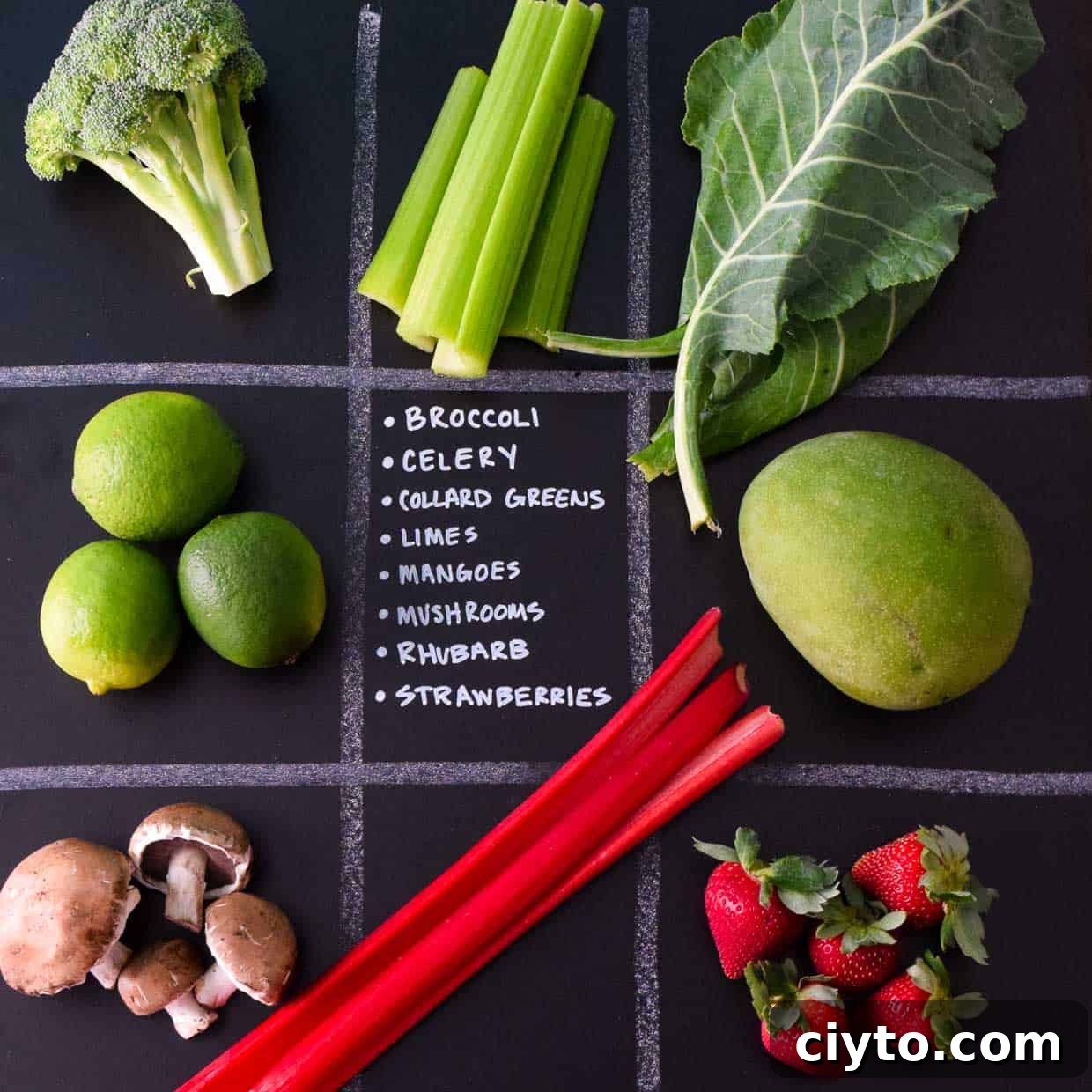
April seasonal produce guide: what’s in season this month, how to pick and store each item, plus recipe ideas to make the most of fresh spring produce.
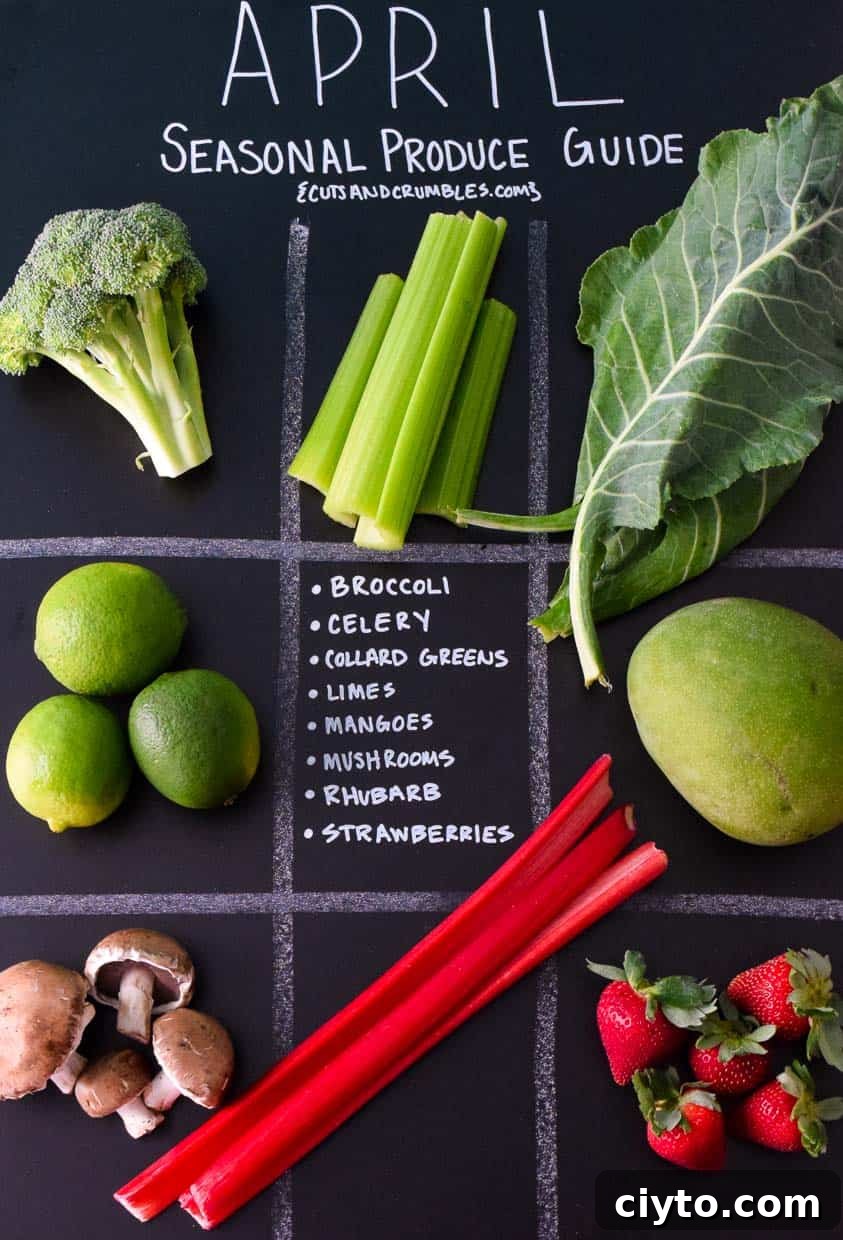
Welcome to the April seasonal produce guide. As spring progresses, more fruits and vegetables begin to shine—bringing brighter flavors and great value at the market. Below you’ll find practical tips for choosing, storing, and preparing each featured item, along with recipe suggestions to inspire meals and reduce waste. These notes will help you enjoy peak flavor and nutrition from your April produce.
Broccoli
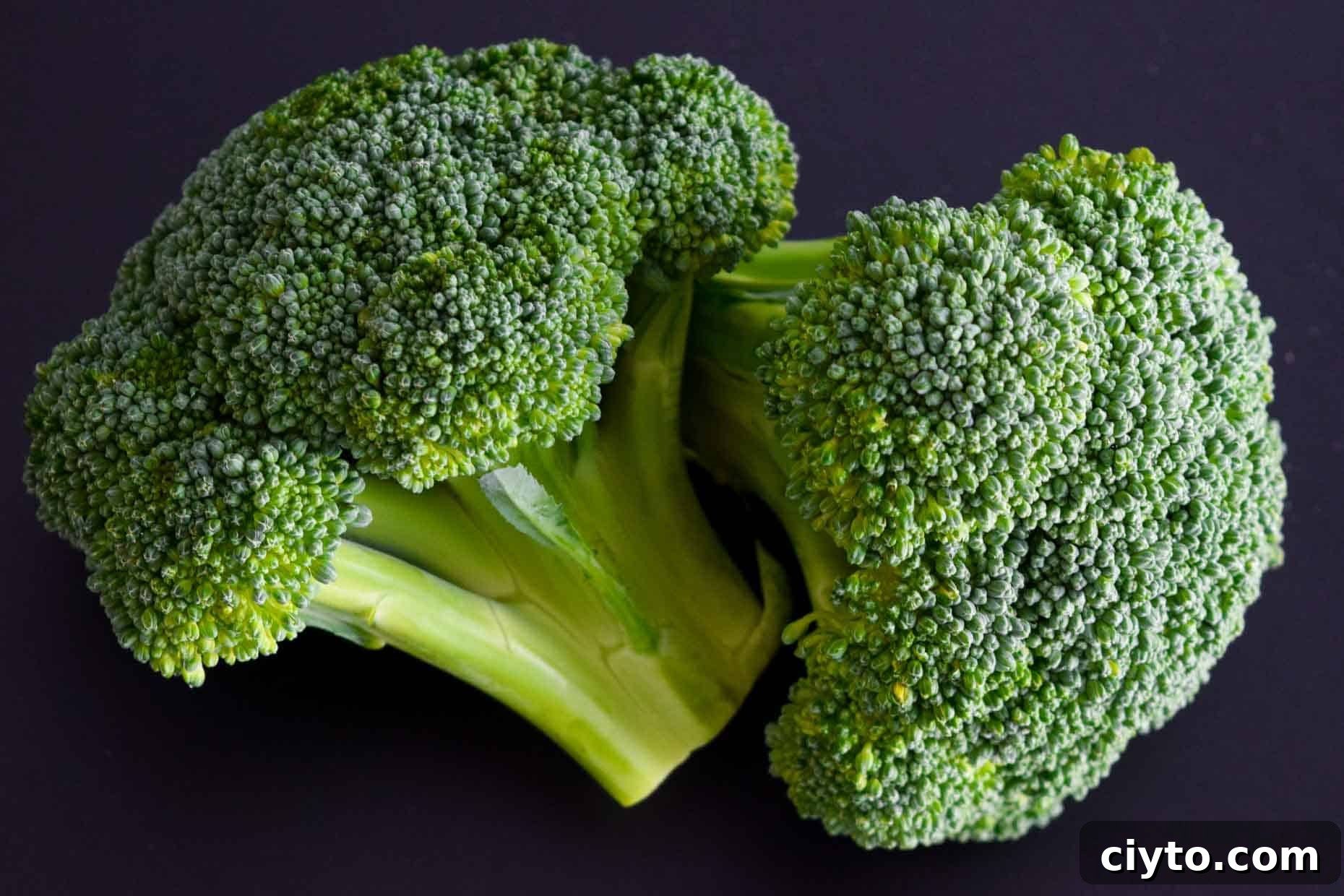
Broccoli remains in peak season through April. It’s versatile and nutritious—great roasted, steamed, or added to casseroles and salads.
- How to choose it:
- Look for firm stalks and tight, compact florets in a deep green color; avoid yellowing florets which indicate age.
- The cut end should appear fresh, not dried or brown.
- Pick heads that feel heavy for their size for better freshness and moisture.
- How to store it:
- Do not wash before storing; excess moisture speeds spoilage. Mist lightly if needed.
- Wrap in a damp paper towel and keep in the refrigerator; avoid sealed plastic bags so air can circulate.
- Use within 3–5 days for best quality.
- How to prepare it:
- Bake into a breakfast casserole or quiche for a simple meal.
- Toss with pasta and roasted garlic or add to salads with nuts and fruit for texture contrast.
- Roast or steam and finish with lemon, Parmesan, or a flavorful sauce.
Celery
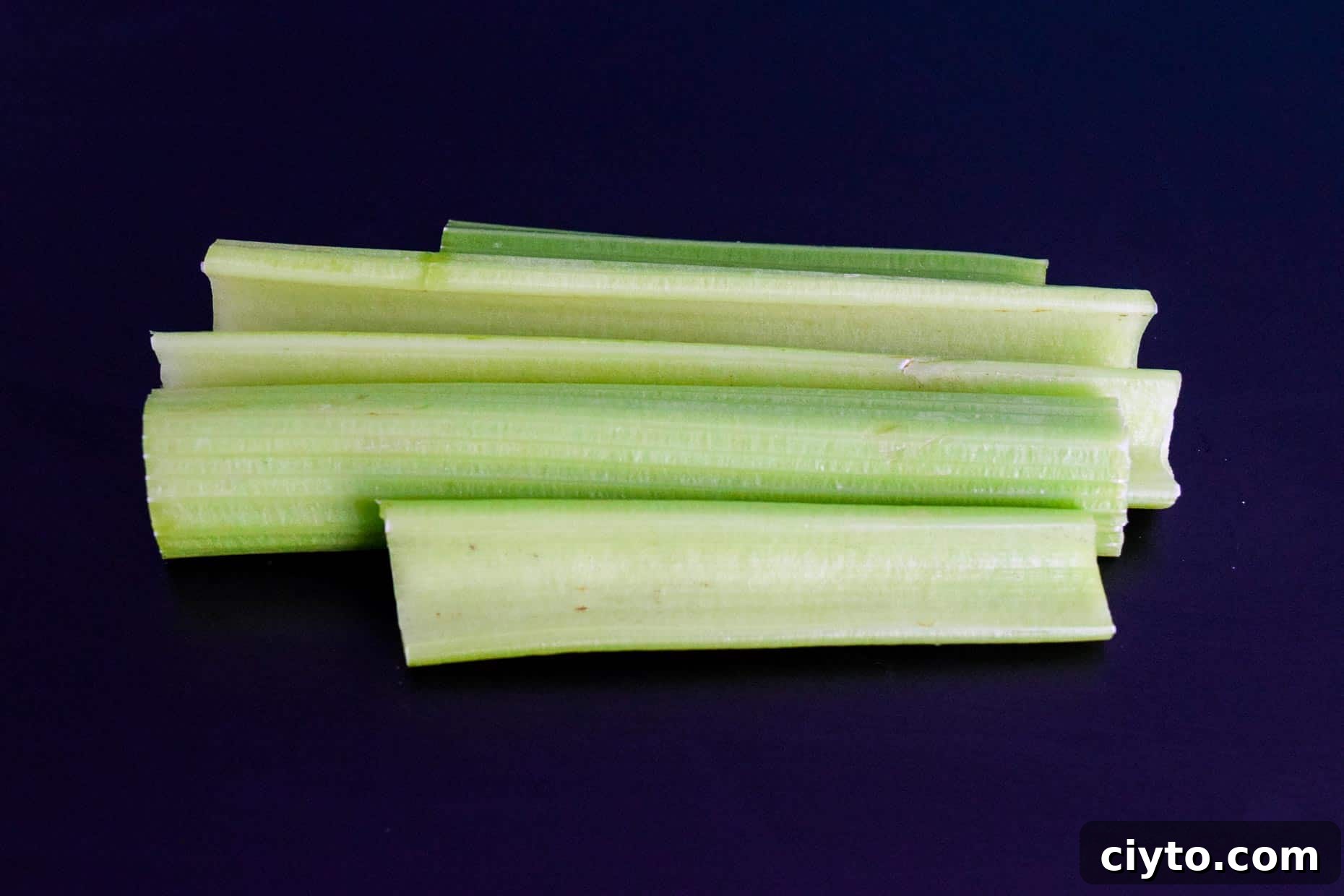
Celery offers crunch and subtle flavor—use it raw for snacks and dips or cooked as an aromatic base in soups, stews, and stuffing.
- How to choose it:
- Select stalks that are firm, crisp, and pale-to-medium green with tightly packed ribs.
- Avoid wilted, discolored, or spotted stalks and yellowed leaves.
- Cut ends can look dry but should not be soft or brown.
- How to store it:
- Store in a breathable plastic bag in the crisper drawer for up to two weeks.
- For longer storage, separate stalks, trim ½ inch, wrap in foil, and refrigerate—this can extend freshness up to four weeks.
- How to prepare it:
- Braised celery showcases its natural sweetness.
- Fill raw celery with spreads or use it for light appetizers like buffalo chicken sticks.
- Add to salads for crunch or to braises and casseroles for depth of flavor.
Collard Greens
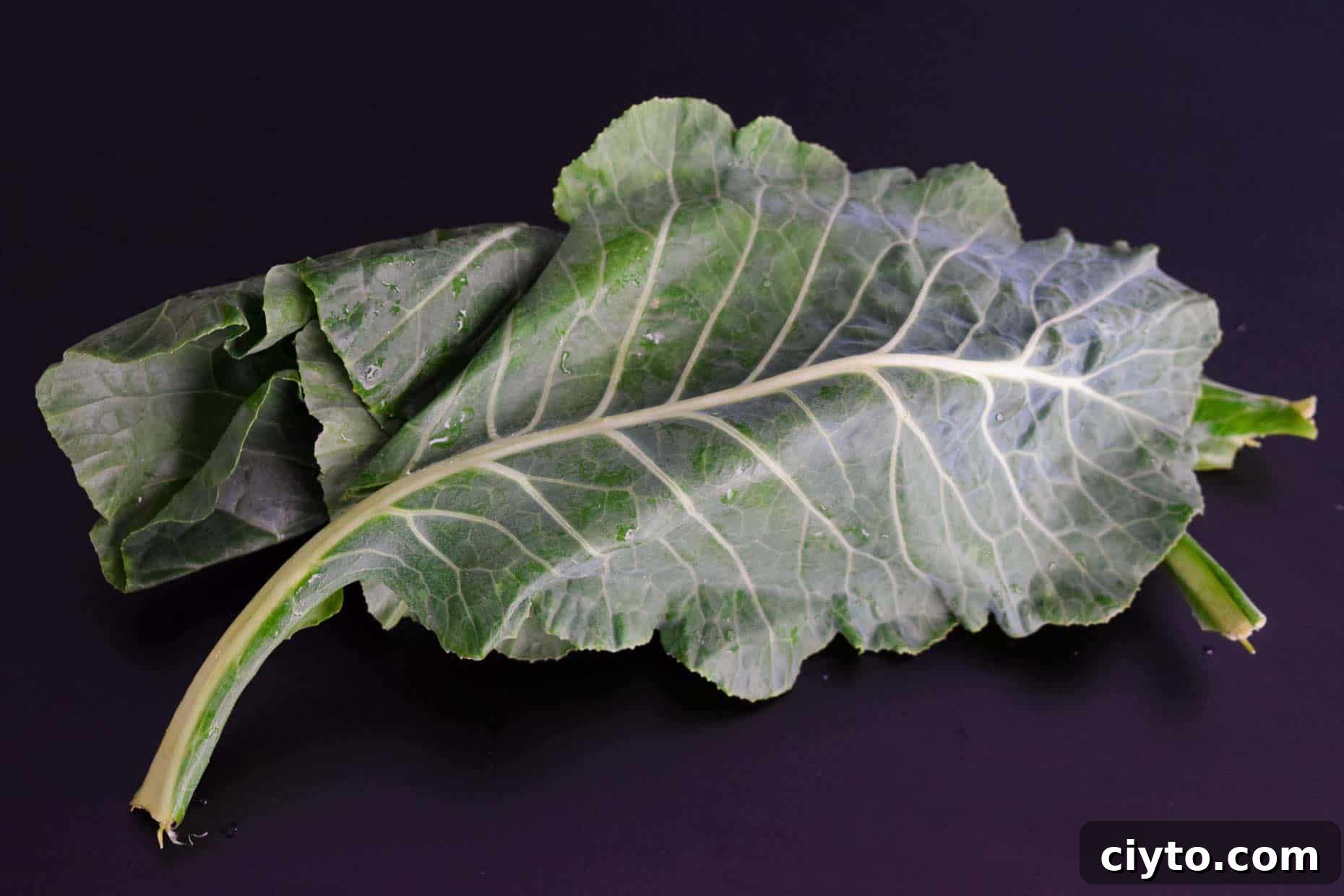
Collard greens are hearty, nutrient-dense leaves that work well braised or folded into pasta and grain dishes.
- How to choose them:
- Pick deep green leaves that are smooth and firm; avoid yellowing or wilted leaves.
- Smaller leaves tend to be more tender and less bitter than larger, older ones.
- How to store them:
- Keep unwashed in a plastic bag in the refrigerator; use within about five days for best texture.
- How to prepare them:
- Braise slowly with a bit of smoky ham or use vegetable stock for vegetarian versions.
- Sauté with garlic and chilies or add to pasta and grain bowls for color and nutrition.
- Instant Pot methods shorten cooking time while keeping flavors bright.
Limes
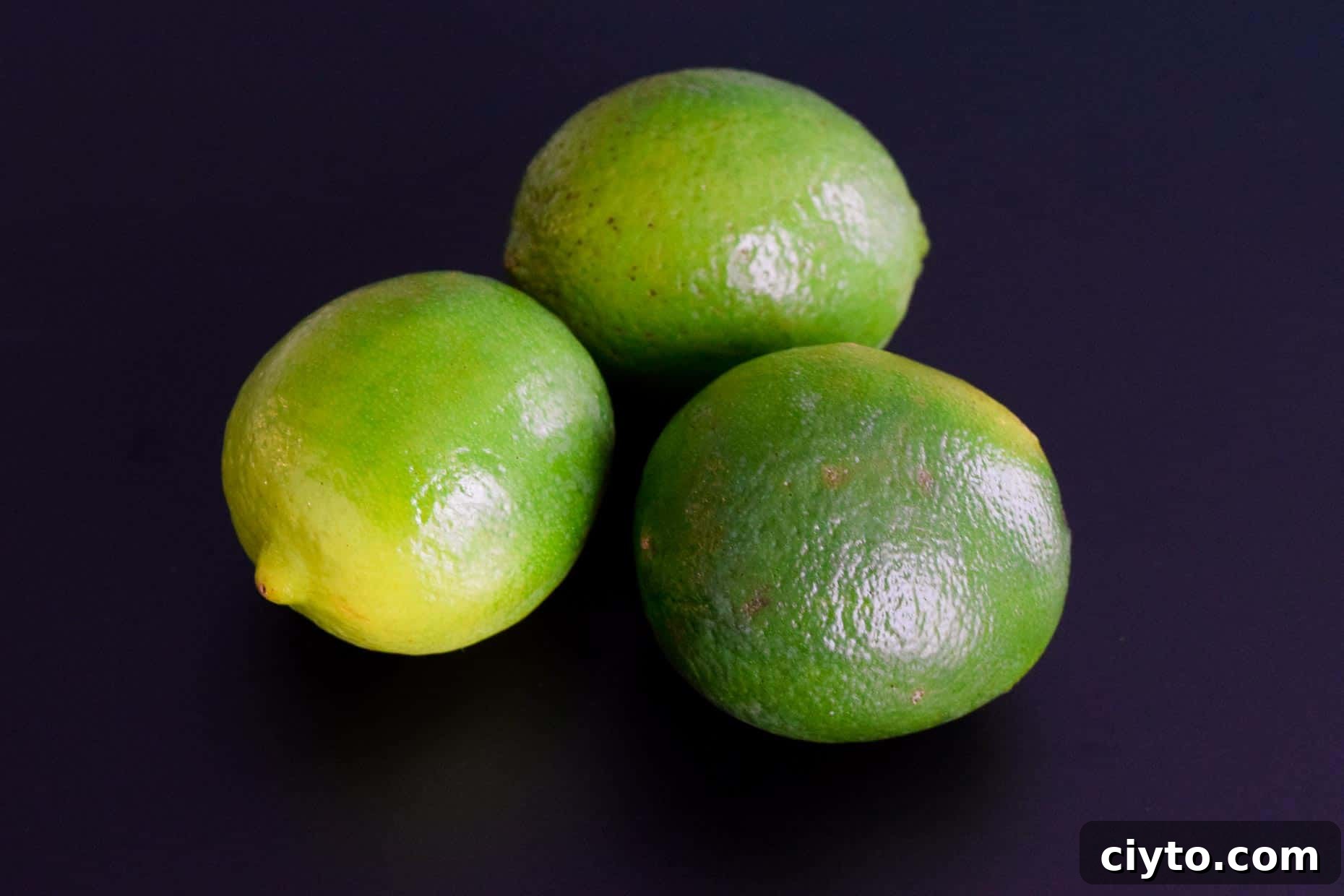
Limes add bright acidity to drinks, dressings, and desserts. Fresh citrus elevates many dishes with minimal effort.
- How to choose them:
- Smell the rind—ripe limes have a pronounced citrus aroma.
- Choose bright green, firm limes that yield slightly when pressed and feel heavy for their size.
- How to store them:
- Keep at room temperature for about a week or refrigerate for up to a month.
- Sliced limes should be stored in an airtight container and used within a day for best flavor.
- How to prepare them:
- Use juice and zest in cocktails, marinades, dressings, and desserts like key lime tarts.
- Pair with berries or tropical fruit in smoothies and frozen treats.
Mangoes
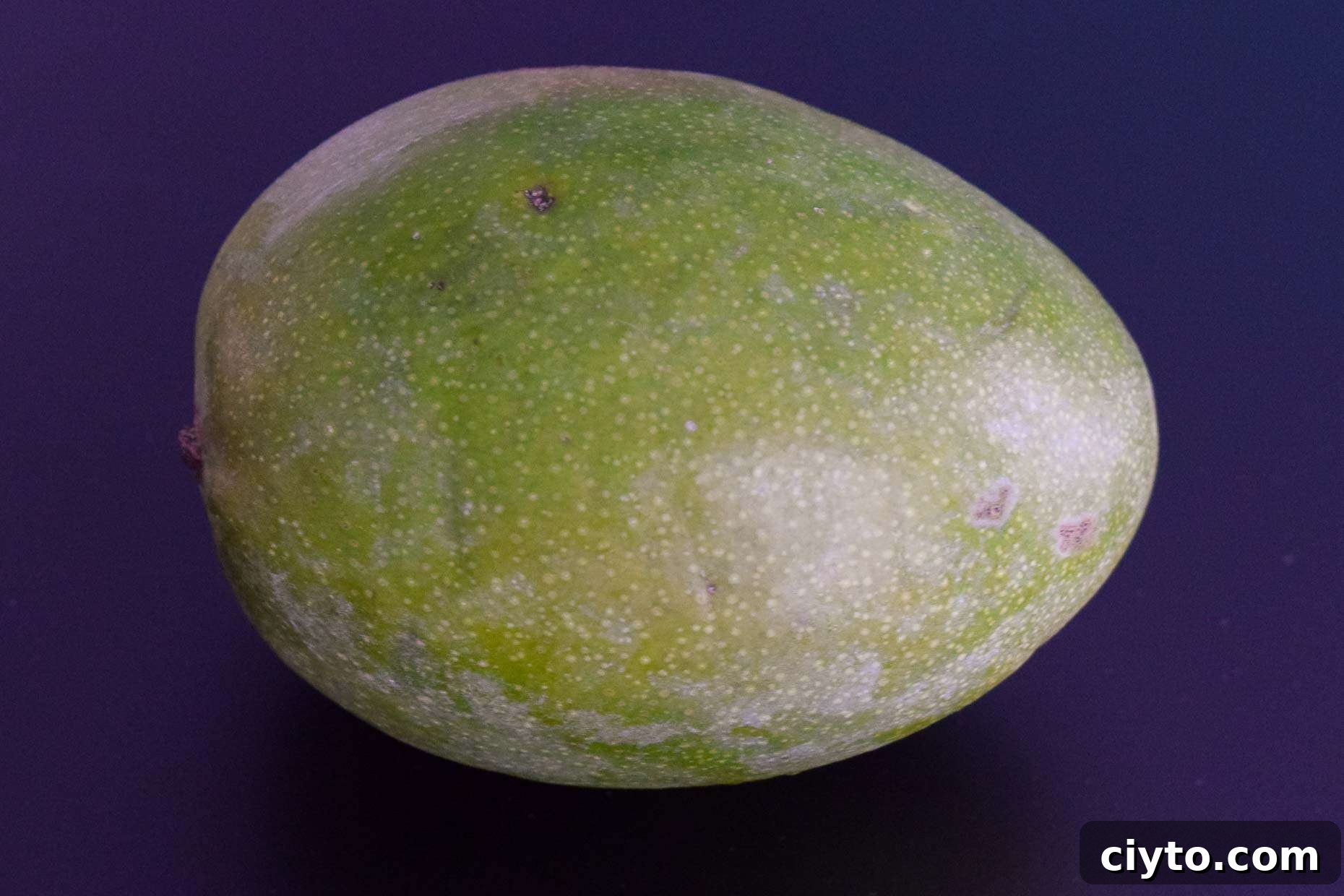
Mangoes bring sweet, tropical flavor to salads, salsas, smoothies and desserts. Ripeness is judged more by feel than color.
- How to choose them:
- Ripe mangoes give slightly when pressed and emit a sweet, fruity aroma near the stem.
- Color varies by variety, so rely on feel and scent rather than hue alone.
- How to store them:
- Store at room temperature to ripen; placing in a paper bag with a banana can speed ripening.
- Once ripe, refrigerate for up to five days to slow further ripening.
- How to prepare them:
- Scoop cubes into fruit salads, blend into smoothies, or use in salsas with lime and chili.
- Mangoes also work beautifully in chilled pies, preserves, and savory curry bowls.
Mushrooms
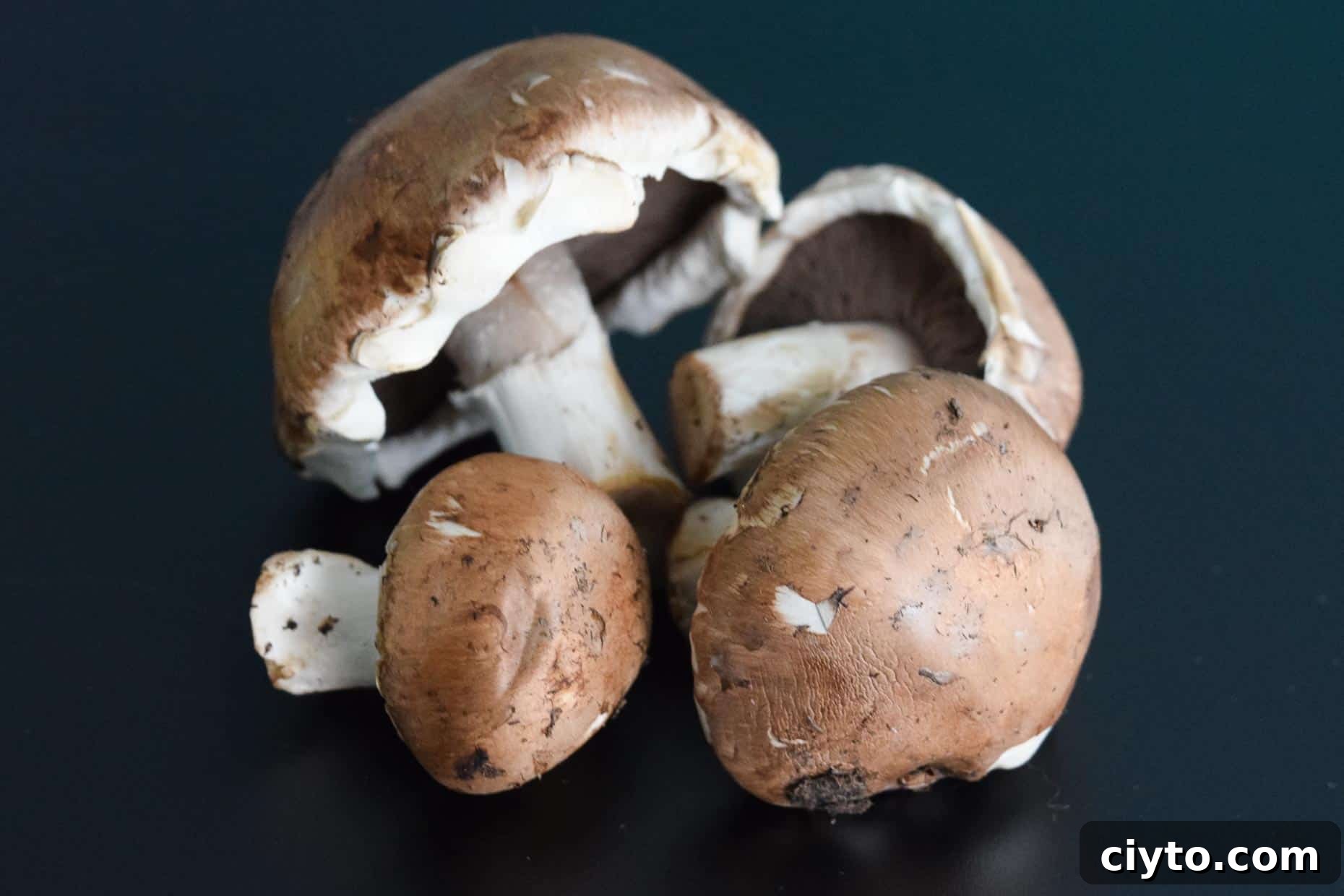
Mushrooms vary by variety and season, but fresh mushrooms are widely available in April and add umami to many dishes.
- How to choose them:
- Select firm, dry mushrooms with smooth caps; avoid bruised, slimy, or shriveled specimens.
- Closed caps tend to be milder; open caps with exposed gills often have a more intense flavor.
- How to store them:
- Keep unwrapped or in a paper bag in the refrigerator; whole mushrooms last longer than sliced ones—use within about a week.
- How to prepare them:
- Sauté in butter or oil to develop rich flavor; add herbs or soy-based sauces for depth.
- Use in risottos, pastas, soups, or stuffed and roasted as a side or main component.
Rhubarb
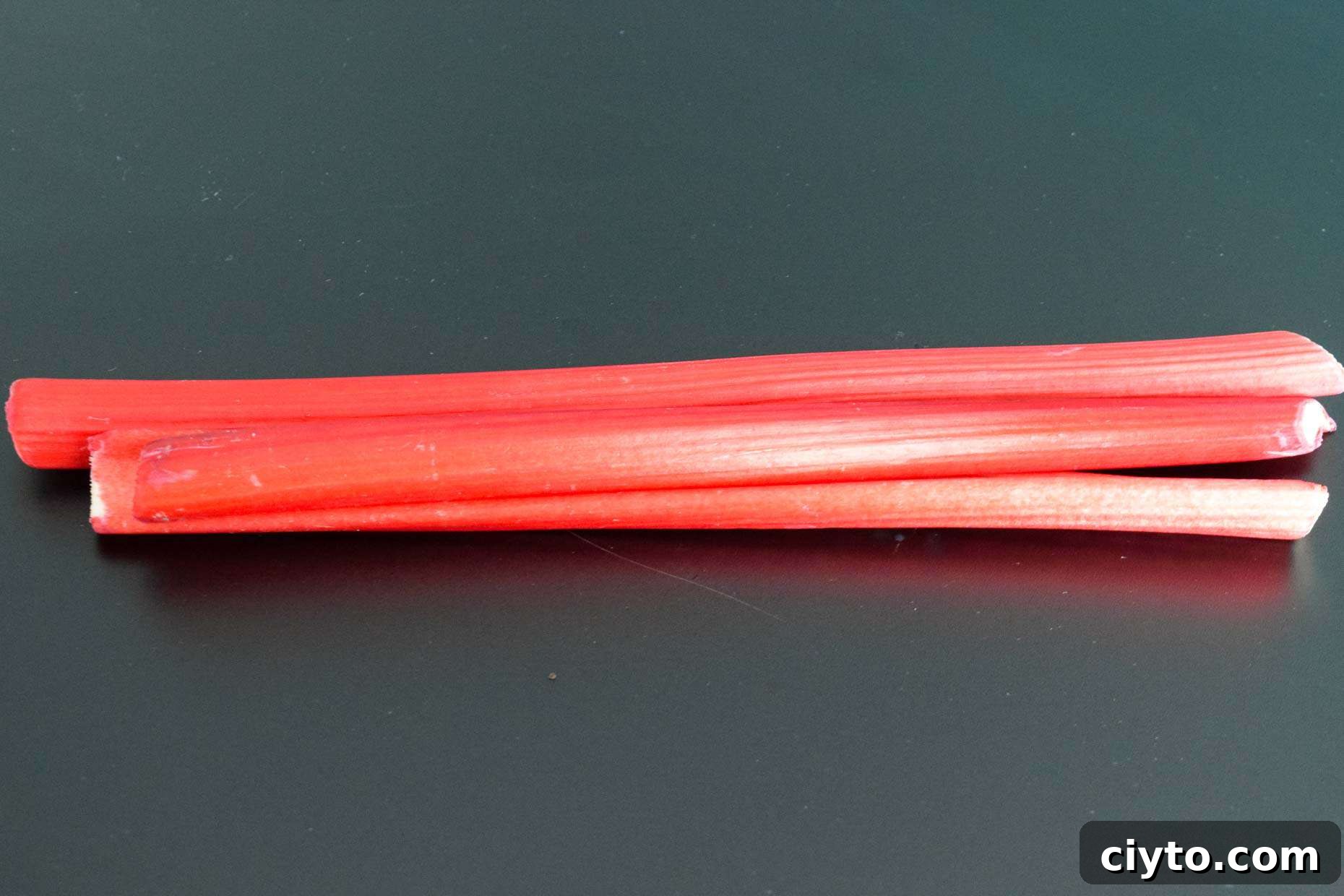
Rhubarb’s tart stalks are a classic spring ingredient for desserts and can also brighten savory dishes when paired with pork or poultry.
- How to choose it:
- Pick firm, crisp stalks with glossy skin; avoid limp or blemished pieces.
- Leaves, if present, should be small—do not eat the leaves, as they are toxic.
- Thinner red stalks are usually younger and sweeter than thicker green ones.
- How to store it:
- Trim off and discard leaves, then store stalks untrimmed in a plastic bag in the refrigerator for up to a week; avoid trimming before storage to prevent drying.
- How to prepare it:
- Combine with strawberries for crisps and pies, or transform into a bright sauce for meats and cocktails.
- Cook down with sugar and citrus to make compotes, preserves, or tart fillings.
Strawberries
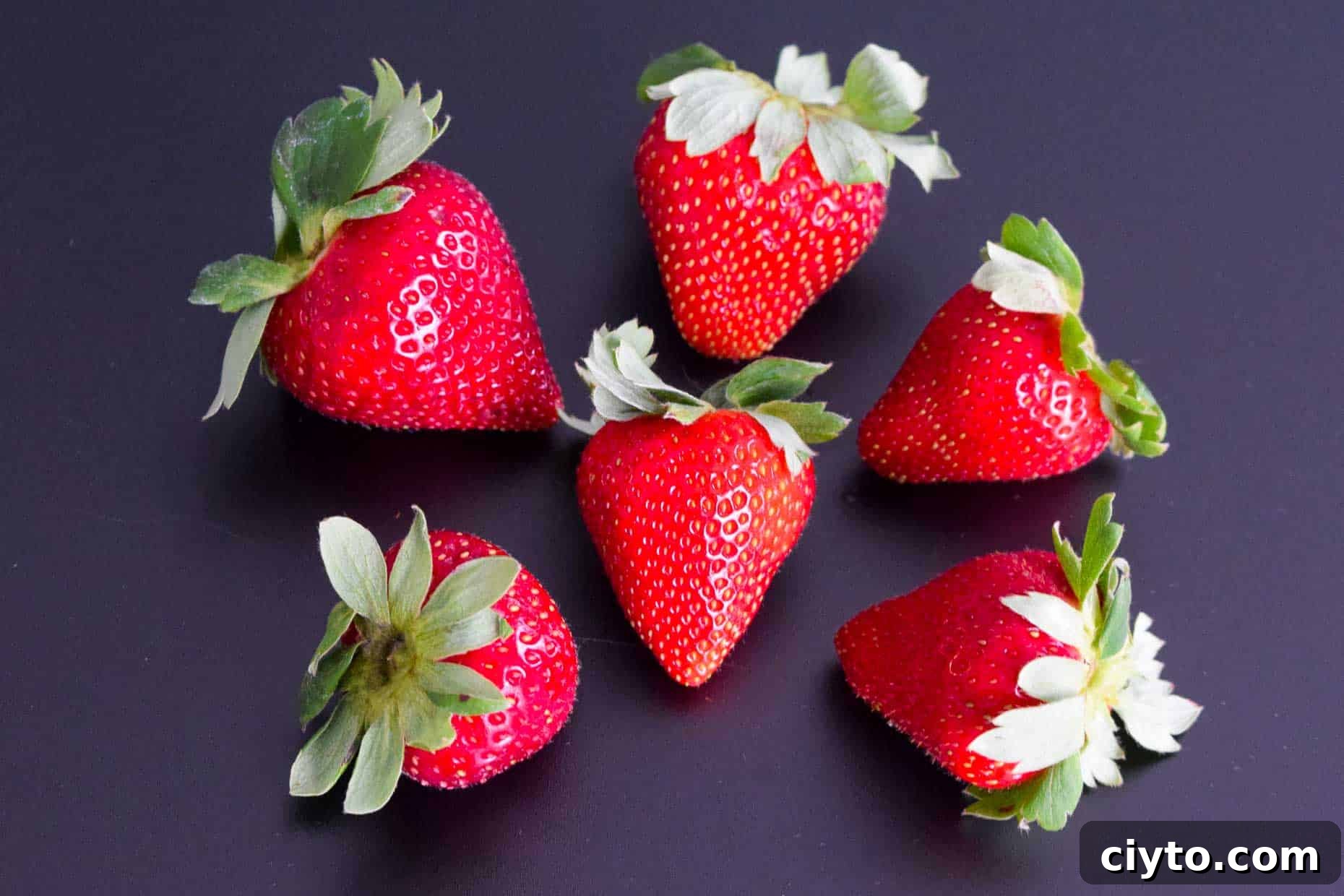
Strawberries are a hallmark of spring and early summer. Their flavor is best when fully ripe—choose berries that are red throughout and enjoy them quickly for the best taste and texture.
- How to choose them:
- Pick berries that are red from top to bottom; strawberries do not ripen significantly after harvest.
- Look for plump, unshrivelled berries with fresh green caps; avoid boxes with any visible mold.
- Size varies by variety and does not necessarily indicate sweetness.
- How to store them:
- If eating within a day, strawberries can sit at room temperature; for longer storage, keep them unwashed in the crisper drawer.
- To extend shelf life up to a week, arrange berries in a single layer in a partially closed container lined with paper towels; do not wash until ready to eat.
- How to prepare them:
- Serve fresh with shortcakes or as a topping for yogurt and salads.
- Use in chilled desserts like icebox cakes, crostini with cheese, or mixed fruit and melon salads with herbs and feta.
That’s the April roundup—fresh, seasonal produce with tips to help you shop smarter and cook more confidently. Keep an eye on market displays as spring progresses, and plan to enjoy these ingredients while they’re at their best.