Why don’t we eat enough vegetables? We know they’re healthy, we encourage our kids to eat them, and yet many of us still fall short. Understanding the common barriers and practical ways to overcome them makes it much easier to add more vegetables to everyday meals.
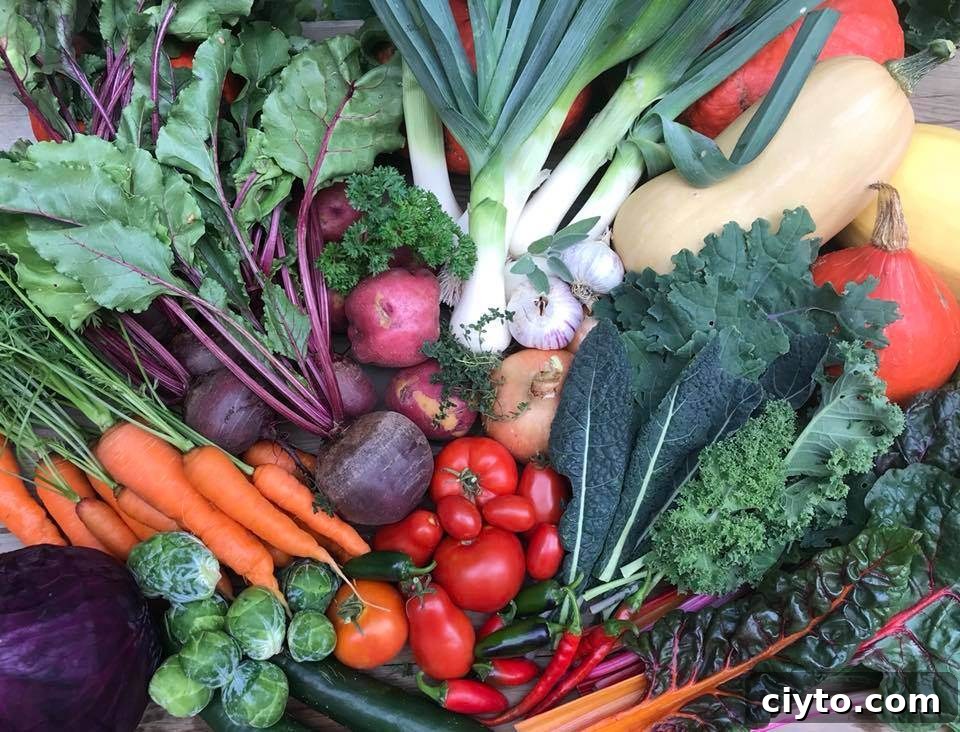
Why we don’t eat enough vegetables
People give a few common reasons for skipping vegetables: they take time, they don’t taste good, they seem expensive, they feel boring, or they’re only thought of as salad ingredients. Below are the top five barriers and practical steps to fix each one so vegetables become a regular, satisfying part of your meals.
1. Vegetables take too much time to prepare
Preparing vegetables can feel like extra work compared with ready-made convenience foods. A little planning and a few shortcuts make a big difference.
- Set aside time once a week to wash, chop and store vegetables for quick use. Doing this right after grocery shopping saves time later.
- Use frozen vegetables for many meals—they’re pre-washed and pre-cut, freeze-sealed at peak freshness, and ready to add to soups, stir-fries, or casseroles.
- Choose quick-cook recipes like stir-fries, sheet-pan dinners, or simple sautés to minimize hands-on time.
- Skip peeling when possible. Many vegetables—carrots, potatoes, sweet potatoes, parsnips and beets—only need a good scrub and are perfectly fine with their skins on.
2. Vegetables don’t taste good
Often the issue isn’t vegetables themselves but how they’re prepared. Overcooking, under-seasoning, or comparing them to hyper-palatable processed foods can make veggies disappointing. Boost their flavor with a few techniques.
- Try different cooking methods—roasting, grilling, sautéing, or quick raw preparations can transform texture and taste.
- Season boldly. Herbs, citrus, vinegars, spices and sauces bring out natural flavors and make vegetables more appealing.
- Hide veggies into smoothies, soups, sauces or blended dishes if texture or flavor is a barrier.
3. Fresh vegetables cost too much
Rising produce prices can push people toward cheaper processed options. Still, vegetables are an investment in long-term health, and small strategies can lower costs.
- Buy seasonal produce and watch for sales—seasonal vegetables are often the best value and flavor.
- Plan meals to use what you buy so produce doesn’t go to waste.
- Rely on frozen or canned vegetables when fresh prices are high—these are nutritious, convenient, and usually more affordable.
- Grow a few easy items, like lettuce or herbs, in containers—fresh homegrown greens can be surprisingly cost-effective.

4. Vegetables are boring
Repetition makes any food feel dull. Fresh ideas and new flavors rekindle interest.
- Rotate recipes and try one new vegetable each week.
- Explore global cuisines for fresh combinations of spices and techniques.
- Use new spice blends, condiments or fresh herbs to vary flavor profiles.
5. Vegetables are only for salads
Thinking of vegetables only as salad ingredients limits options. Vegetables can be integrated into nearly every meal:
- Breakfast: omelettes, frittatas or vegetable-packed egg sandwiches
- Lunch: hearty soups, wraps, stir-fries and grain bowls
- Dinner: stews, casseroles, sauces, curries, sheet-pan meals and pizzas
- Snacks and sides: grilled vegetables, roasted roots, raw crudités with dips
- Smoothies and blended soups for a stealthy vegetable boost
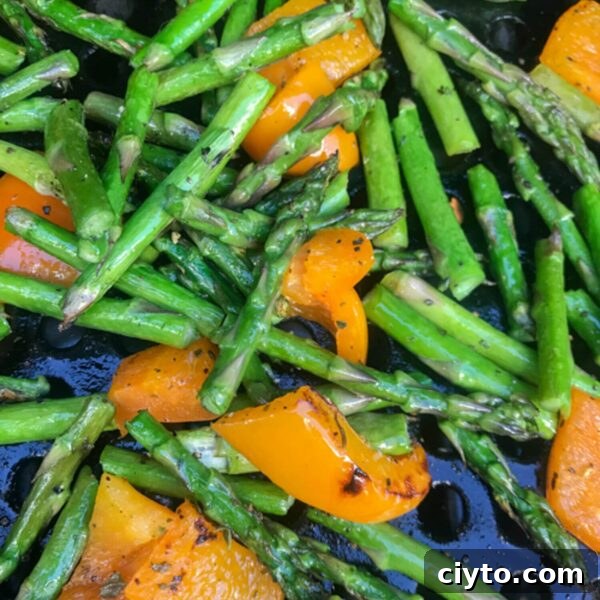
Why eat more vegetables?
Vegetables provide vitamins, minerals, fiber and antioxidants that support digestion, energy, weight management and a lower risk of chronic disease. Making vegetables a consistent part of meals helps long-term health, supports recovery and can improve daily well-being.
How many vegetables should we eat?
Individual needs vary by age, activity level and health status. A practical, easy-to-follow approach is:
- Fill half your plate with vegetables at each meal
- Aim for about 5–7 servings per day, where a serving is roughly 1/2 cup of cooked vegetables or 1 cup of leafy greens
Many health organizations recommend filling half your plate with vegetables. Others suggest aiming for a handful of servings spread across the day—one at breakfast, a couple at lunch and several at dinner. Serving sizes and exact targets differ, but the key is consistency and variety.
Eating more vegetables doesn’t have to be difficult or boring. With small changes—weekly prep, bold seasoning, varied cooking methods and integrating vegetables across meals—you can enjoy more flavor and better health. Follow these practical tips and try one new approach each week to build lasting habits.
Cook with the seasons, effortlessly! I’m Getty, a food educator and Professional Home Economist, helping you select, store, and serve seasonal ingredients in simple, delicious meals. Sign up for seasonal tips and recipes delivered to your inbox, and explore books, guides and video content for more ideas.