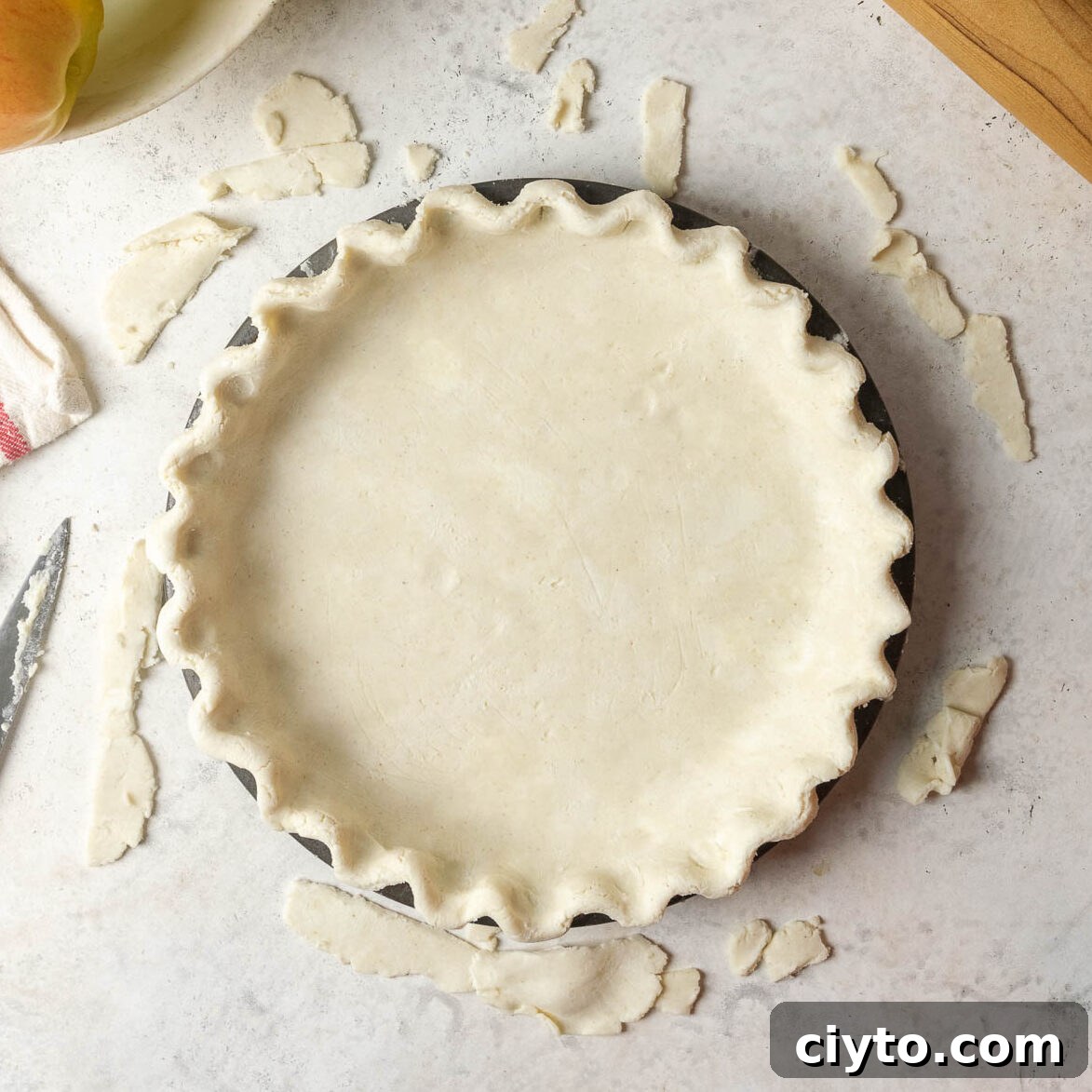
Being gluten-free, dairy-free, or vegan doesn’t mean you have to miss out on truly delicious pie. This reliable gluten free pie crust yields a flaky, tender shell that works for sweet or savory pies. Below you’ll find clear step-by-step instructions, helpful tips, and a complete recipe so even beginning bakers can succeed.
I’ve made this crust more than a hundred times and it consistently turns out well. I usually serve it to people who eat gluten, and the flaky texture and buttery taste often earn compliments—no one guesses it’s gluten-free. This recipe makes enough dough for one double-crust pie or two single-crust pies.
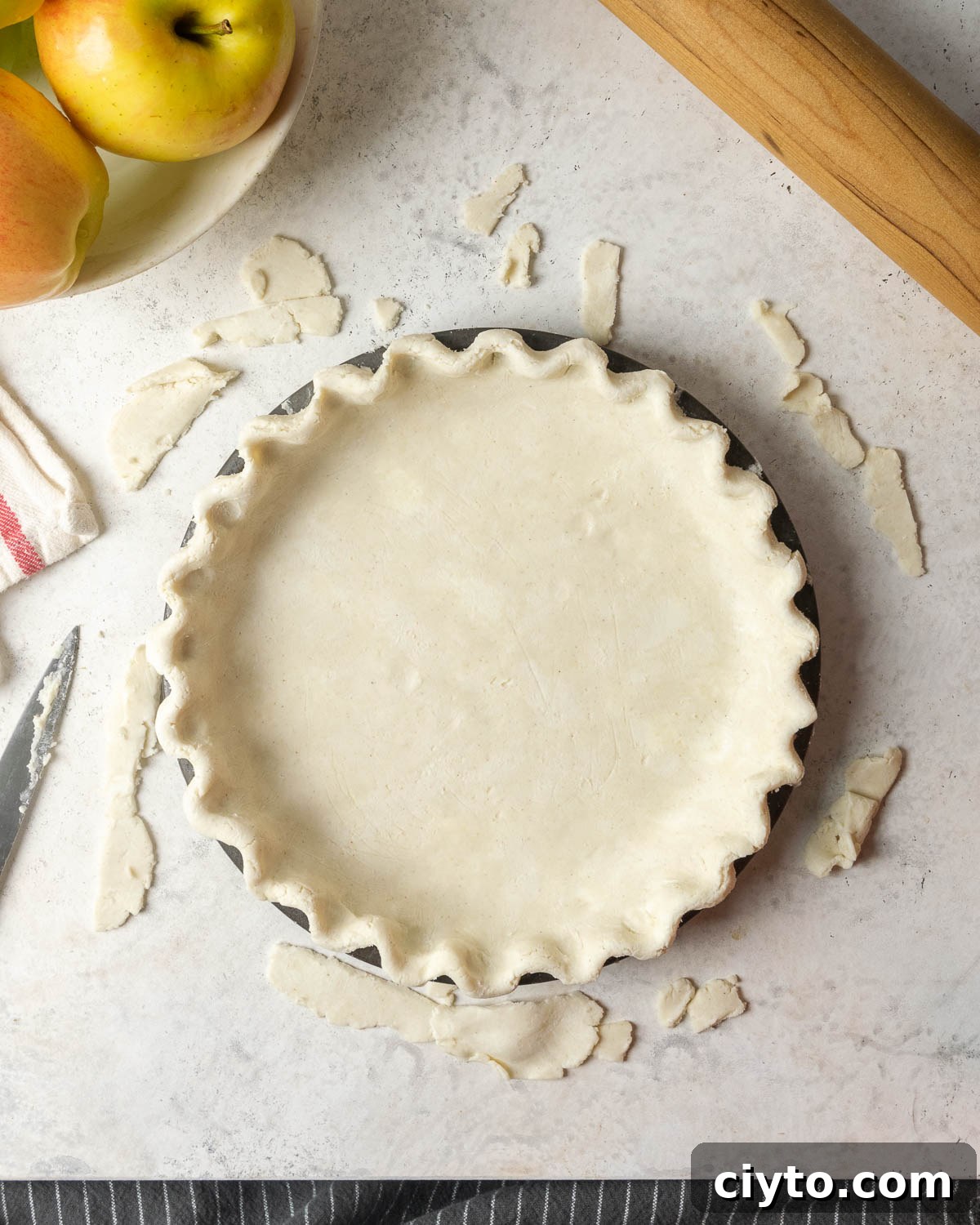
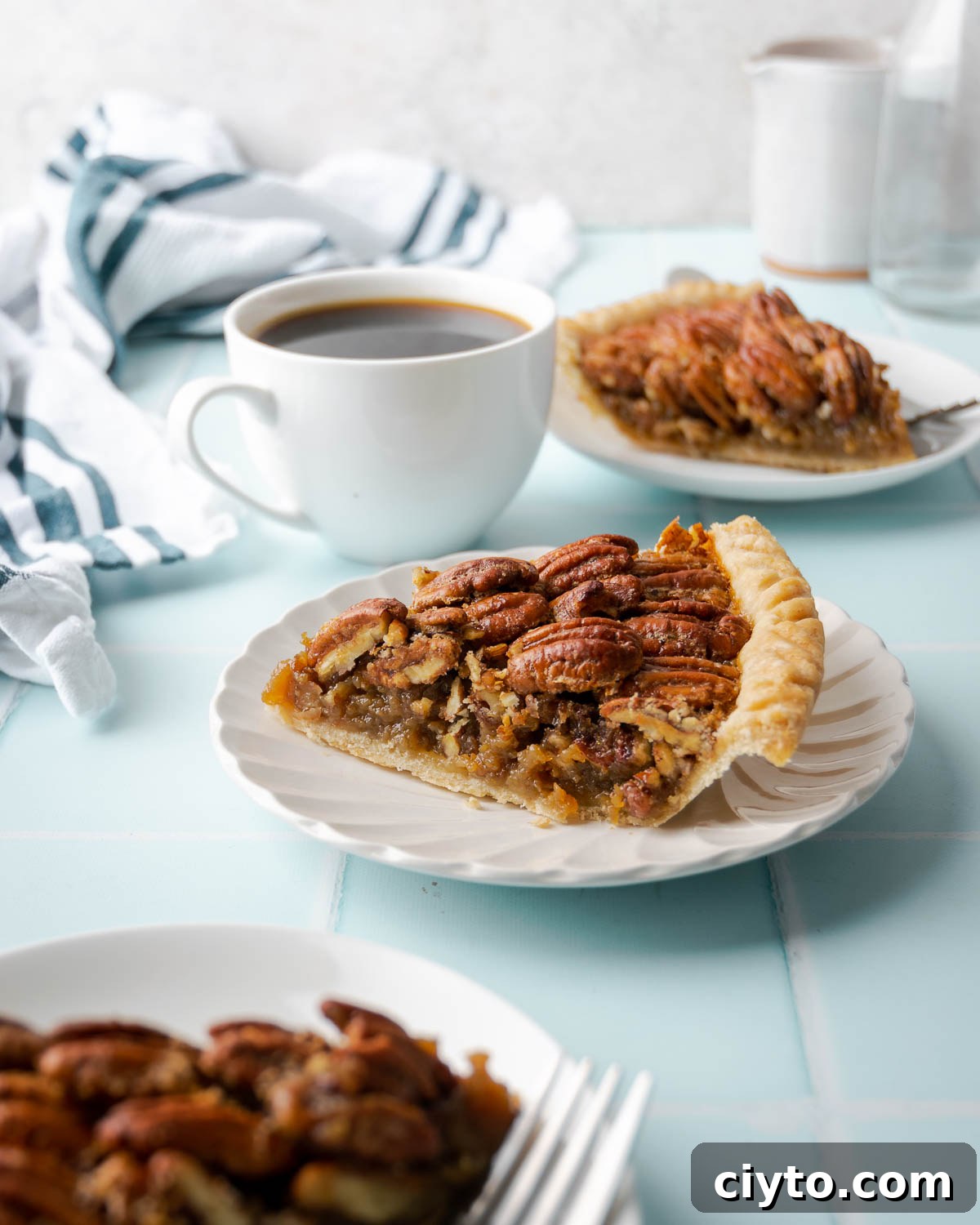
Try this crust with fruit pies, custard pies, or savory fillings. For cookie-style bases suitable for cheesecakes or no-bake pies, consider a gluten-free graham cracker or Oreo-style crust instead.
[feast_advanced_jump_to]
Why This is the Best Gluten-Free Pie Crust Recipe
- Light, flaky texture that almost melts in your mouth.
- Simple, pantry-friendly ingredients.
- Gluten-free and adaptable to a vegan or dairy version.
- Handles nearly as easily as a traditional pie crust when kept cold.
- Versatile for sweet and savory pies alike.
Equipment Needed
For a basic pie crust you will need:
- a pie plate or pie dish (metal, glass, or ceramic)
- a rolling pin
- plastic wrap or parchment paper
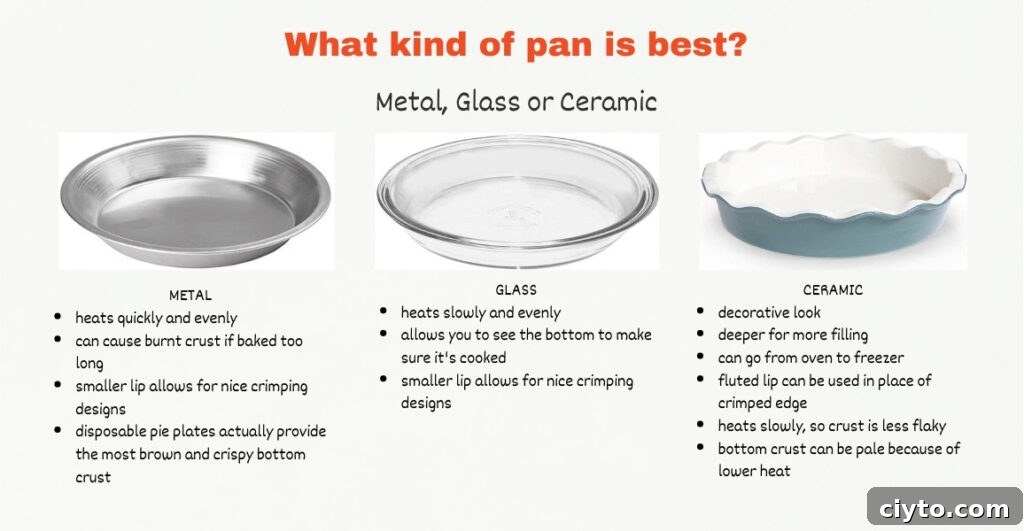
Optional but useful: pie weights for blind-baking, a bench scraper, and a kitchen scale.
Ingredient Notes
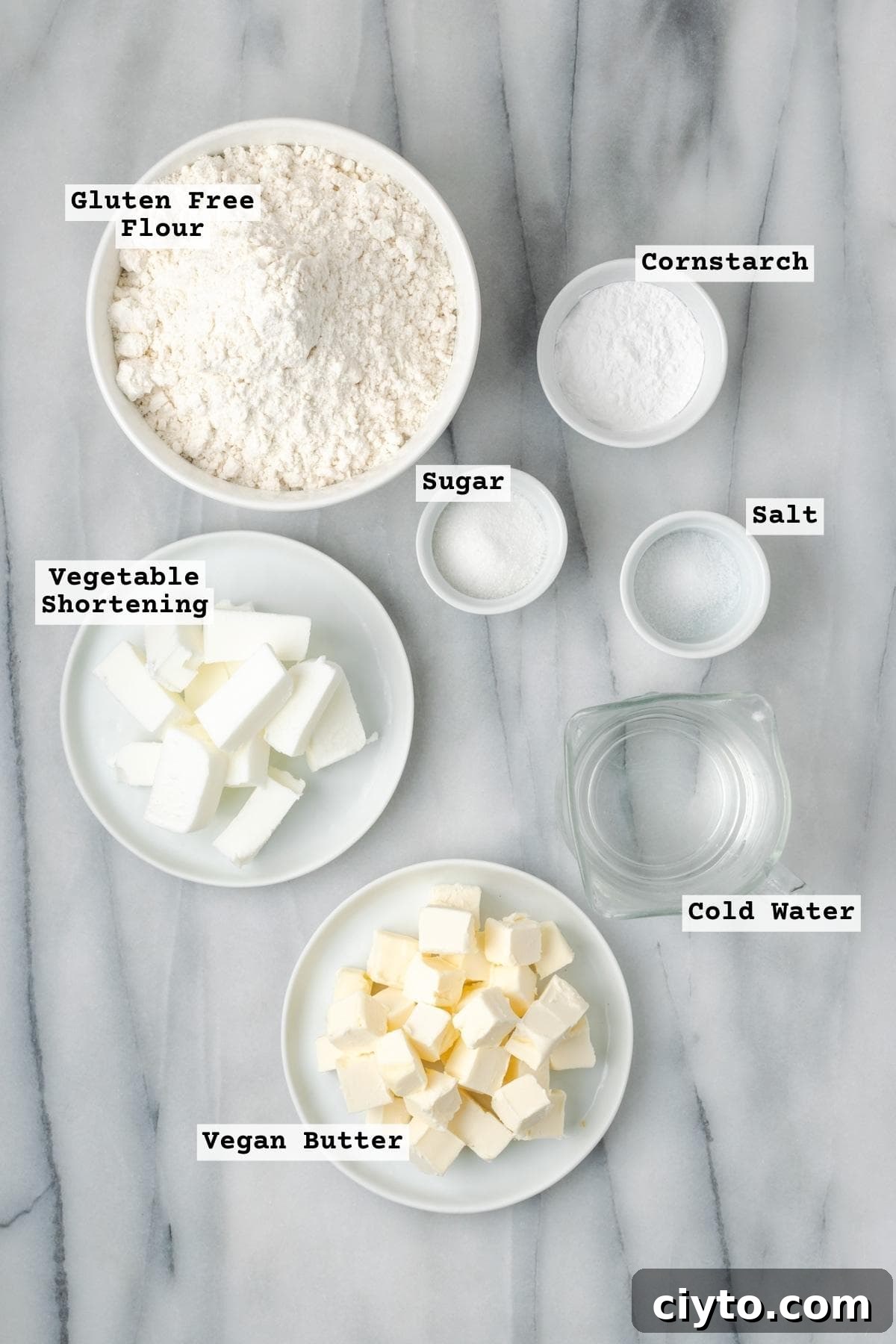
- Gluten-free flour blend – Use a 1:1 gluten-free baking blend that already contains a binder like xanthan gum, or add xanthan gum according to the blend’s instructions.
- Starch – A small amount of cornstarch, tapioca starch, or arrowroot helps lighten the texture so the crust feels more like classic pastry.
- Salt – Just enough for flavor.
- Sugar – A tablespoon helps the crust brown nicely and improves crispness without making it noticeably sweet.
- Fat – This recipe uses a combination of vegan butter and vegetable shortening for a flaky, buttery flavor that is relatively easy to work with. If you prefer dairy, regular unsalted butter can replace the vegan butter in the same amount. Avoid margarine-style spreads.
- Water – Use ice-cold water to keep the dough cold while you work.
See the recipe card below for exact measurements and full ingredient list.
Substitutions & Variations
- Savory crust: Add 1/4 teaspoon black pepper, 1/8 teaspoon paprika, and 1/8 teaspoon dried thyme per single crust for pot pies or galettes.
- All-butter crust: Replace the shortening portion with additional butter, but be aware the dough will be softer and more prone to warming during assembly.
- Chocolate crust: Replace about 1/3 cup of the flour with unsweetened cocoa powder for a rich chocolate shell that pairs beautifully with cream or nut fillings.
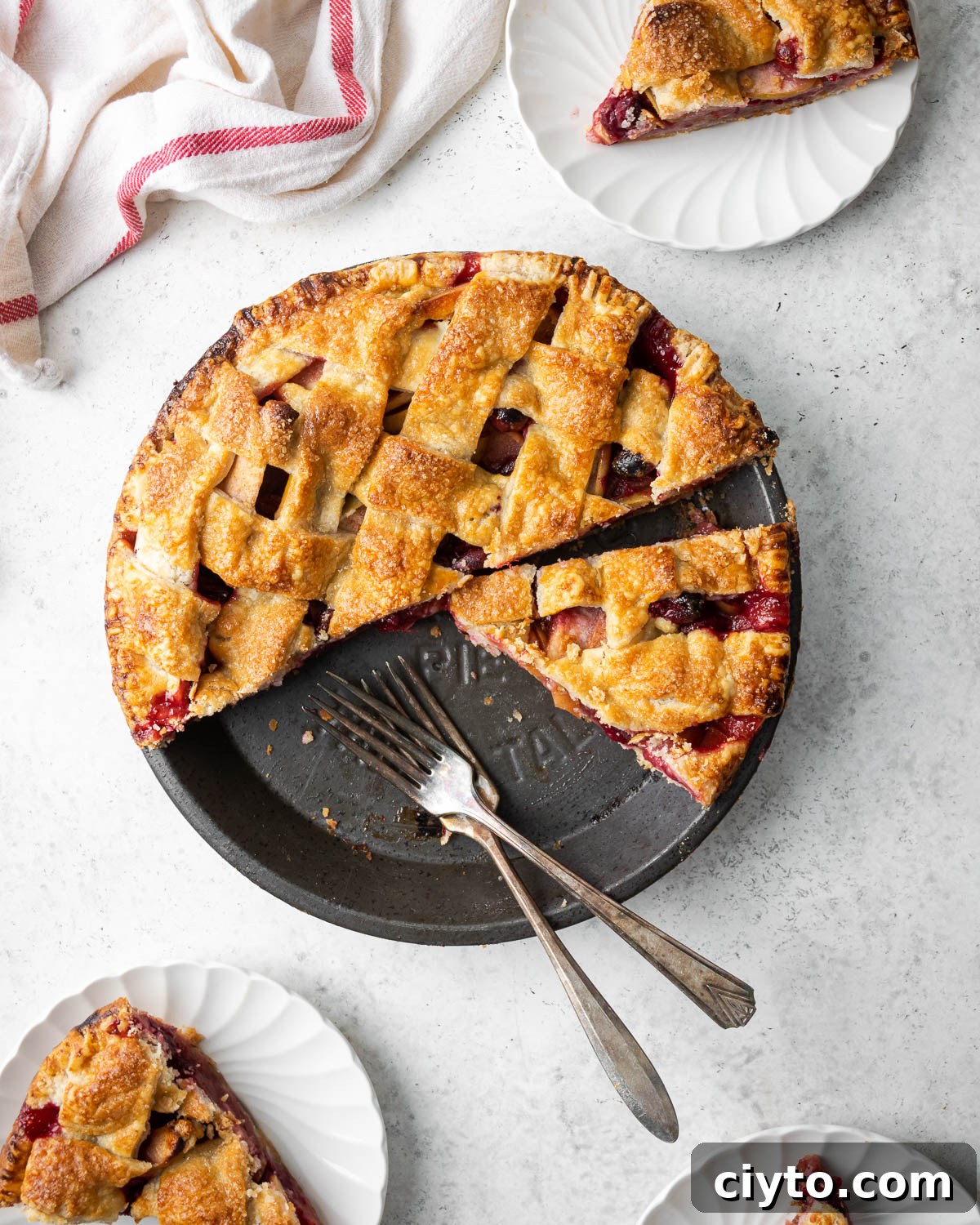
How to Make Gluten Free Pie Crust
Preparation keeps this dough easy to handle: cut the vegan butter and shortening into roughly ½” cubes and chill them in the freezer for at least 15 minutes. Measure the cold water and keep it chilled as well.
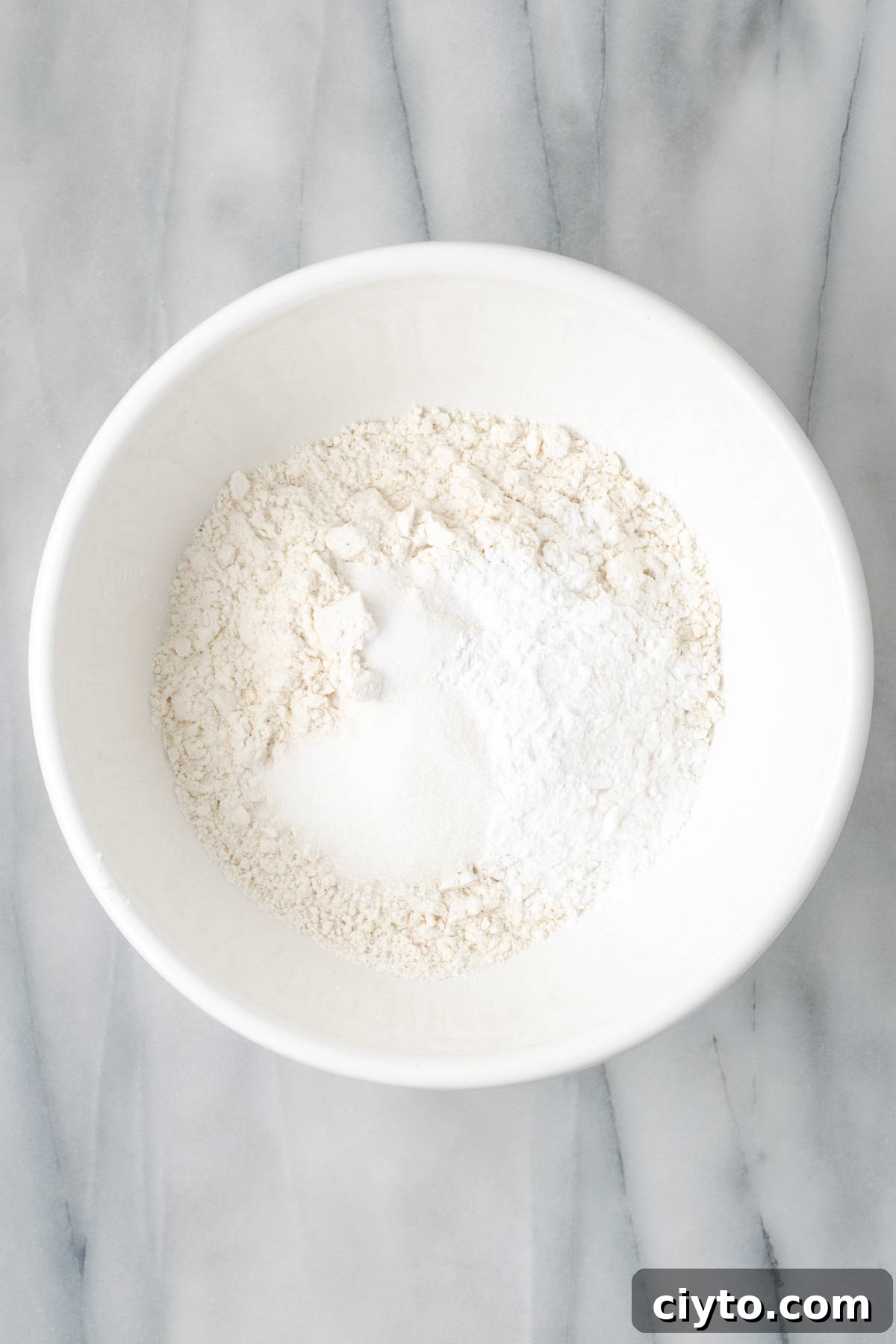
STEP 1: In a large bowl, whisk together the gluten-free flour blend, starch (cornstarch or alternative), salt, and sugar until evenly combined.
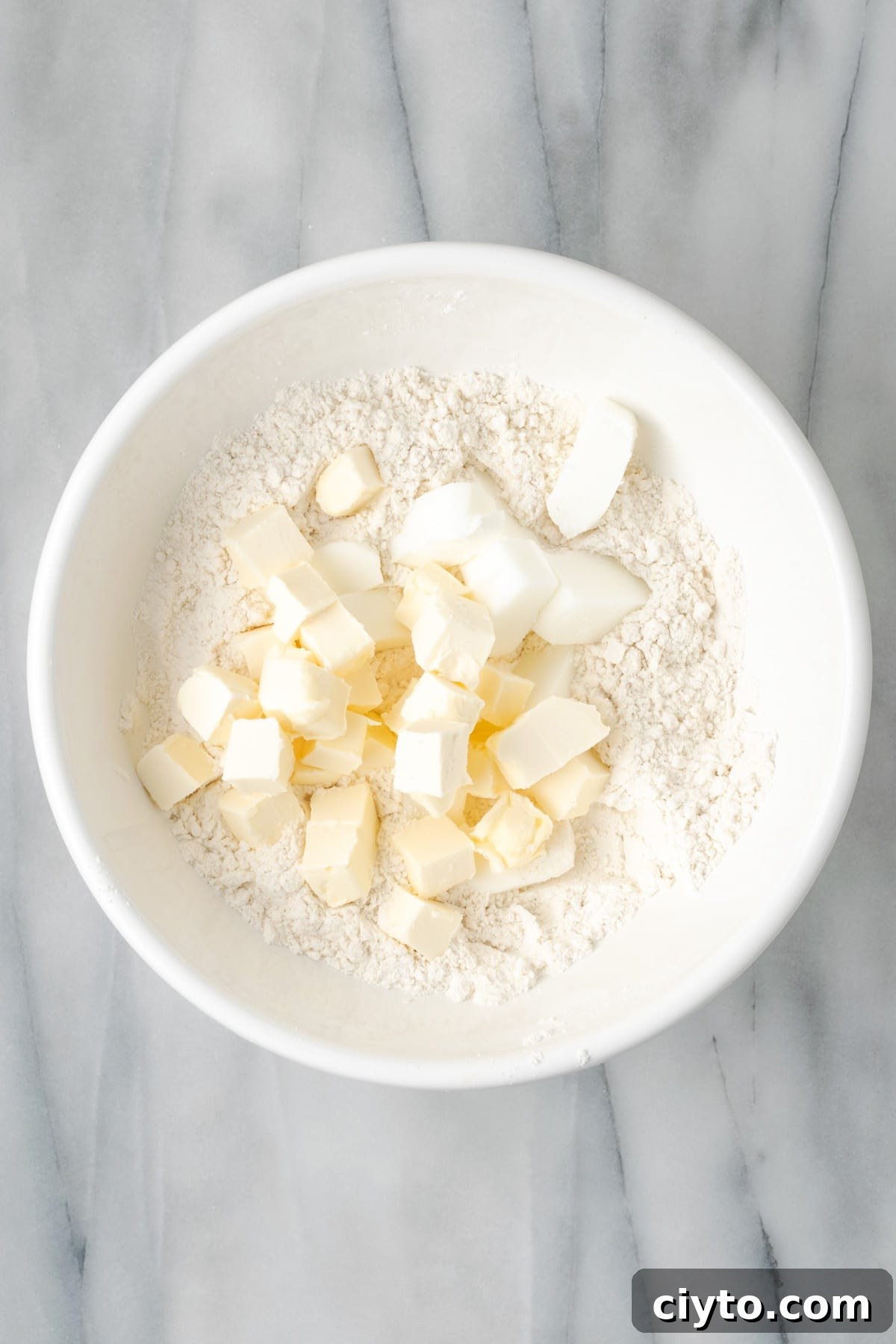
STEP 2: Add the cold butter and shortening cubes, tossing so each piece is coated with flour.
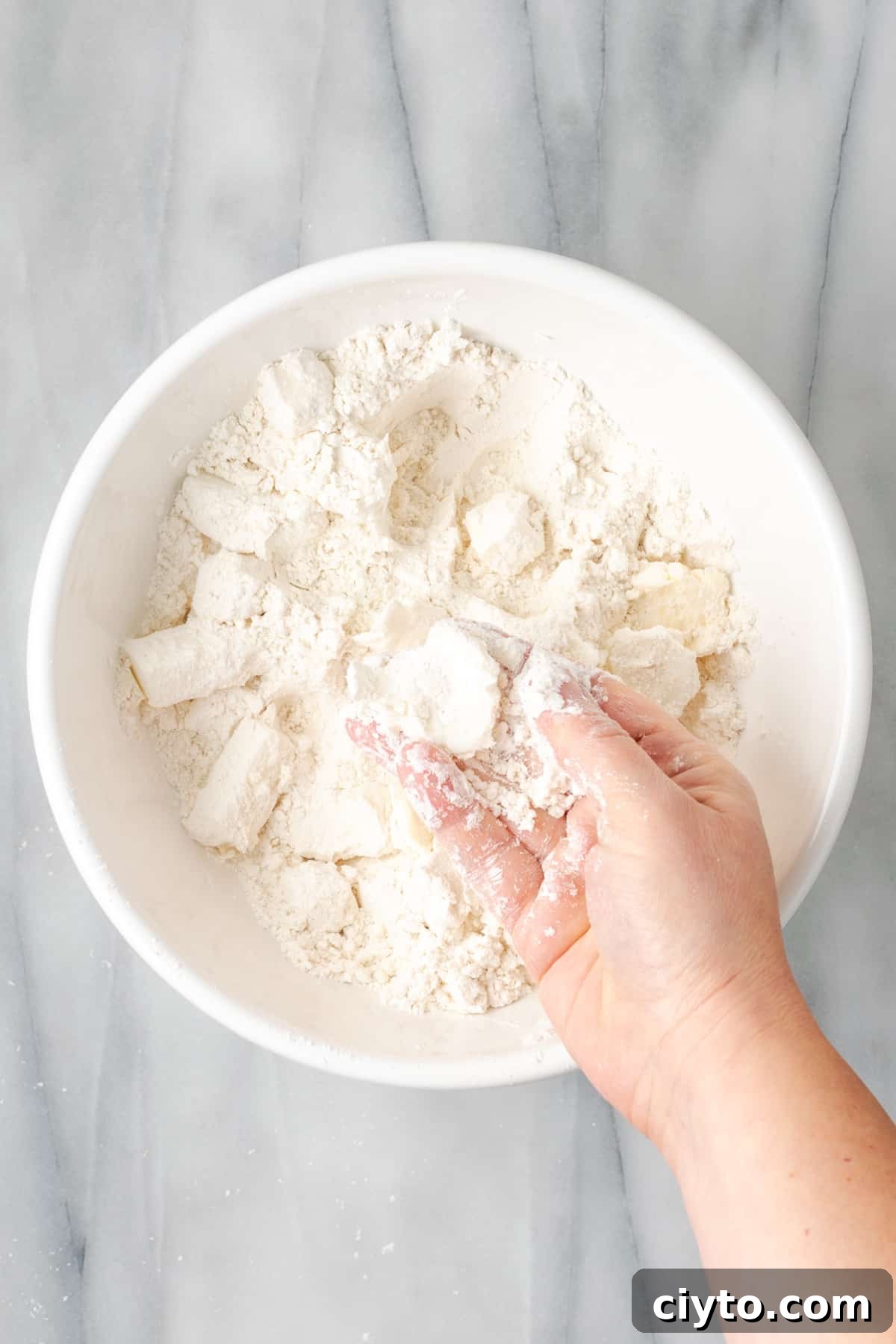
STEP 3: Using your fingertips, press and flatten the fat pieces until they resemble quarters. Continue until the mixture looks like large crumbles. Alternatively, use a pastry cutter.
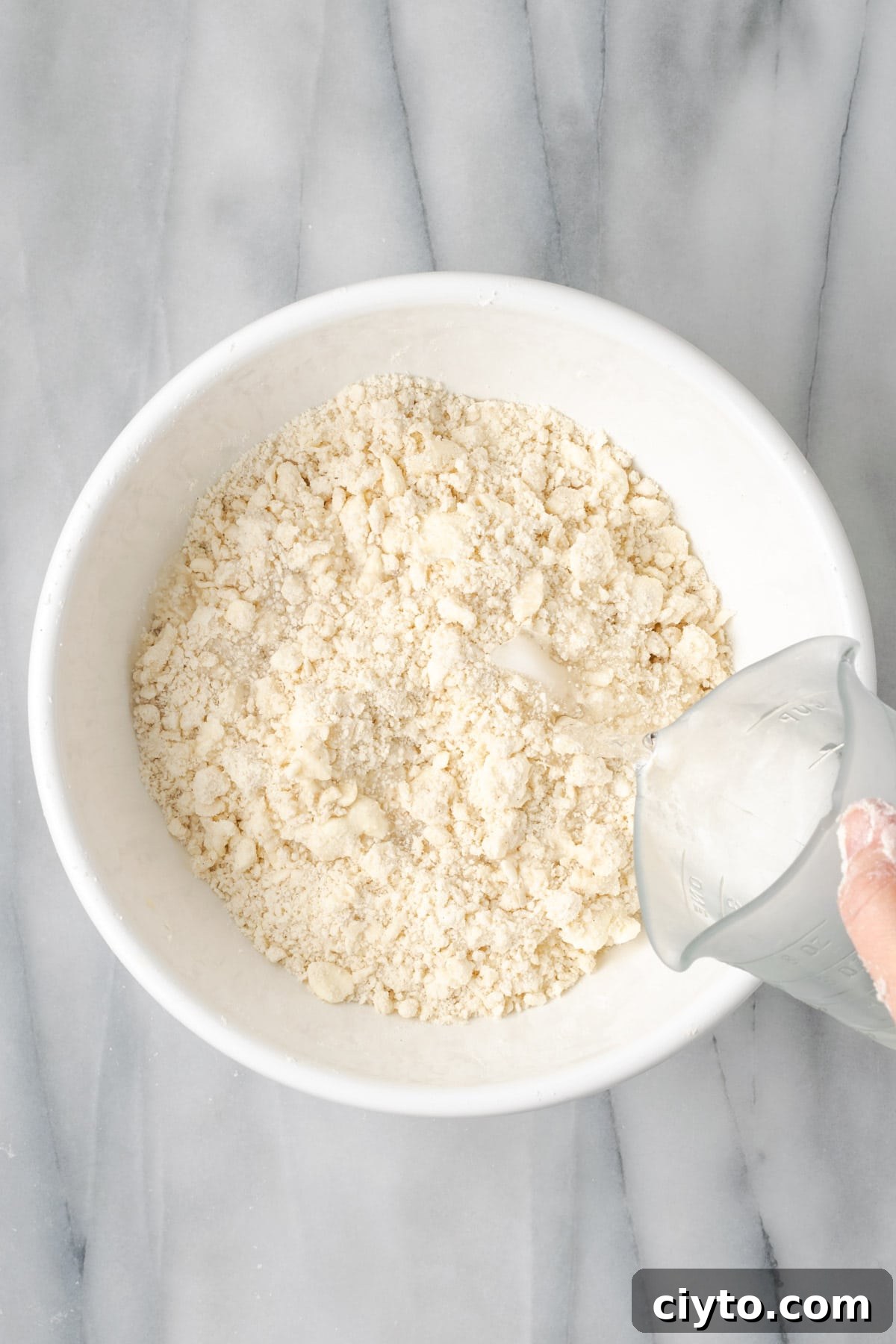
STEP 4: Add about half the cold water and toss the mixture to distribute moisture. Add additional water a little at a time until the dough holds together when squeezed. You may not need every bit of water.
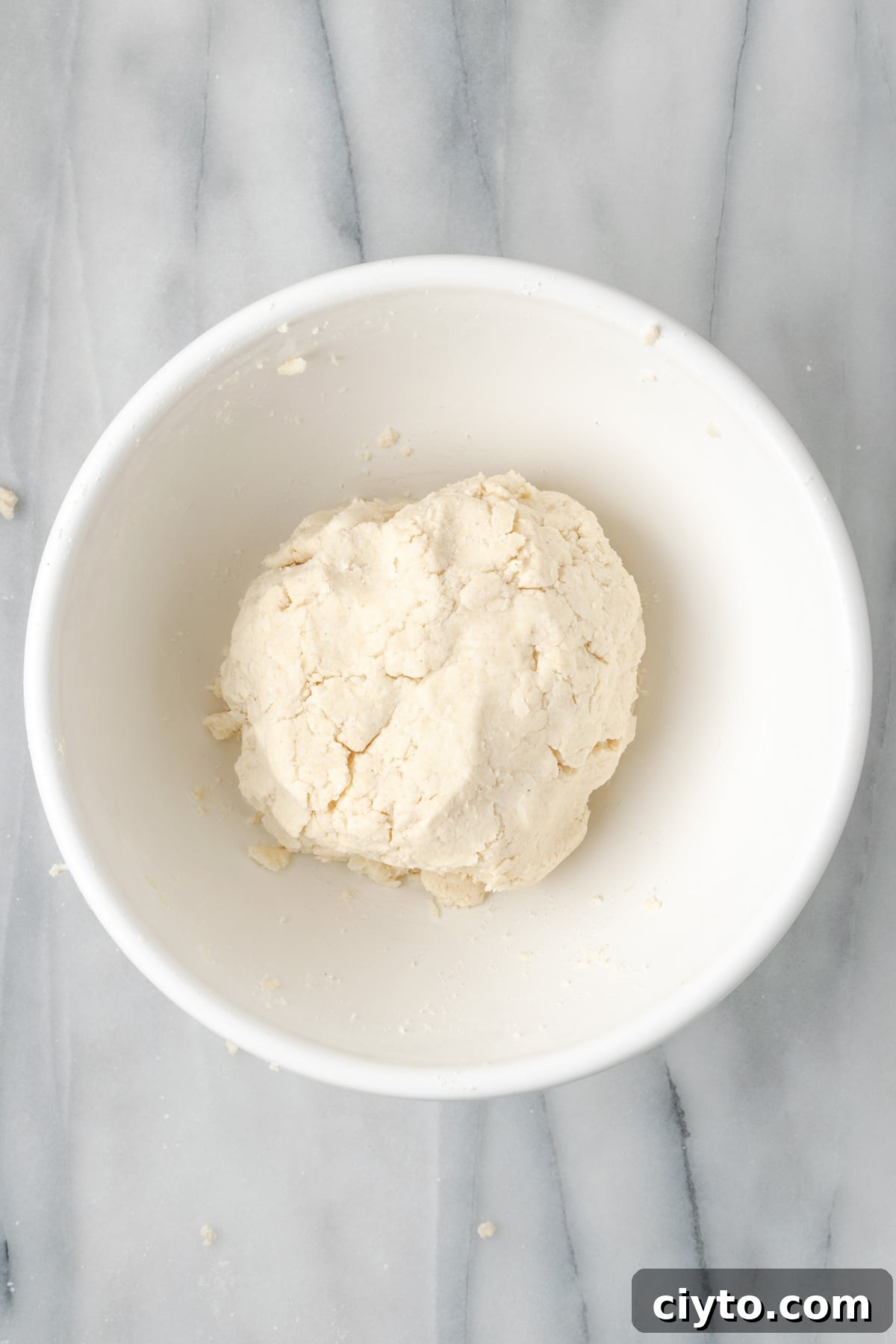
STEP 5: Gather the dough into a ball. It should not stick to the bowl. For a double crust, divide the dough in half.
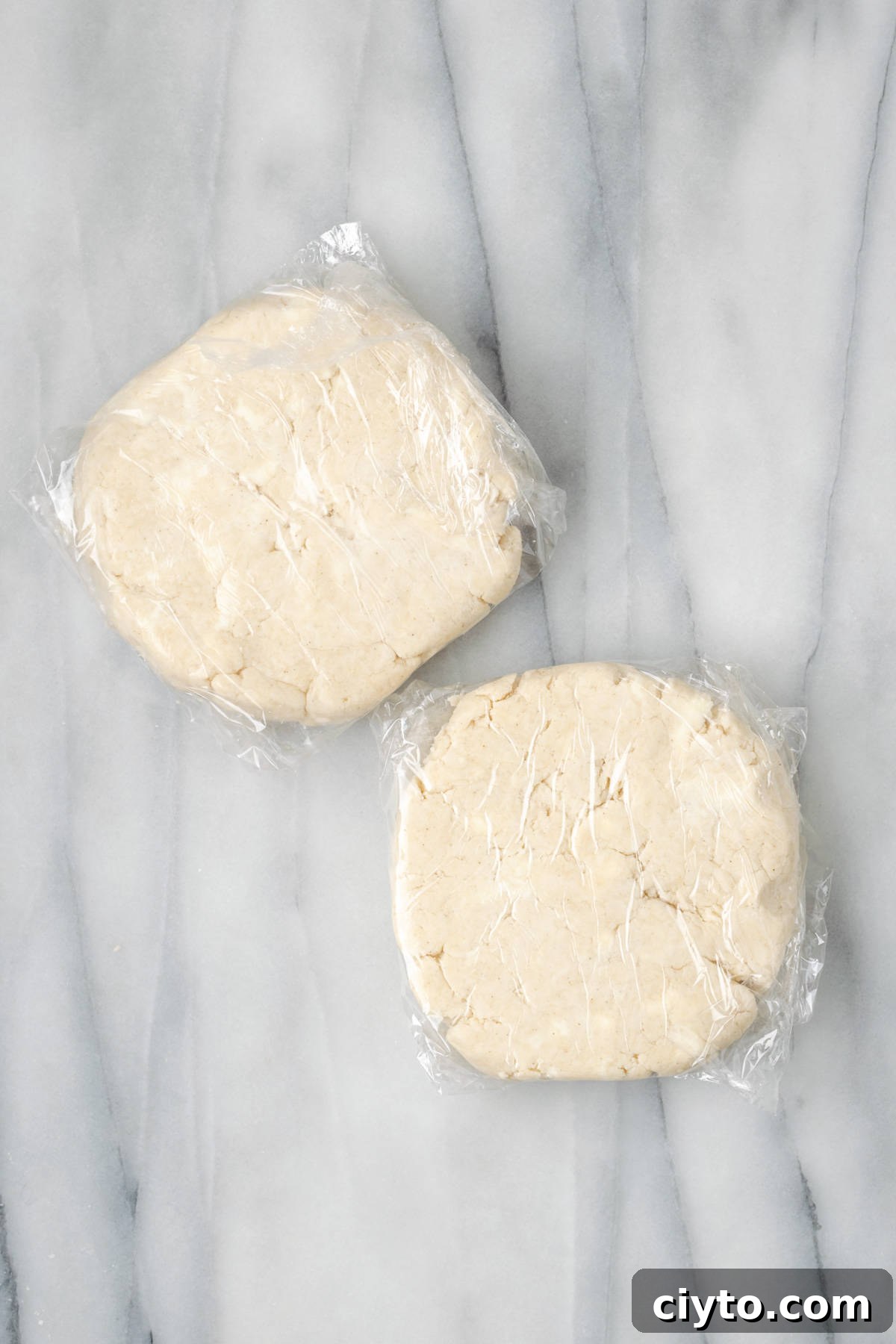
STEP 6: Flatten each portion into a disc about 1″ thick, wrap tightly in plastic, and chill in the refrigerator for at least 2 hours or up to 5 days.
Expert Tip
For a slightly quicker method, you can pulse the dry ingredients and cold fat in a food processor until the butter is the size of small peas, then finish adding water and forming the dough by hand. A food processor speeds things up but can produce a slightly less flaky crust because the fat pieces are smaller.
Below are two common methods for rolling out chilled gluten-free pie dough. Whichever you choose, chill the rolled sheet again before lining your pie pan to help the crust hold its shape.
Method 1: Roll between plastic wrap
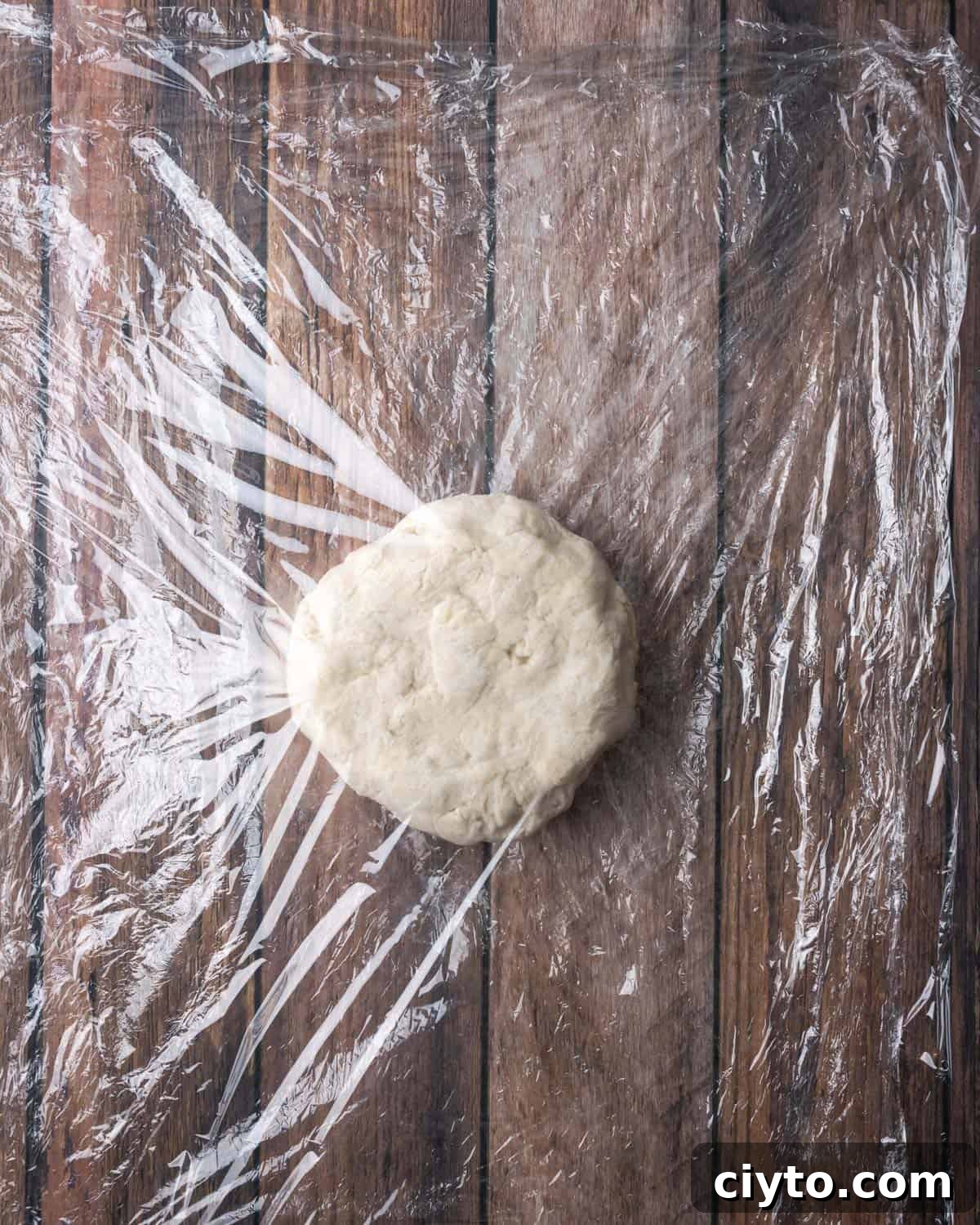
STEP 1: Sandwich a chilled disc between two sheets of plastic wrap.
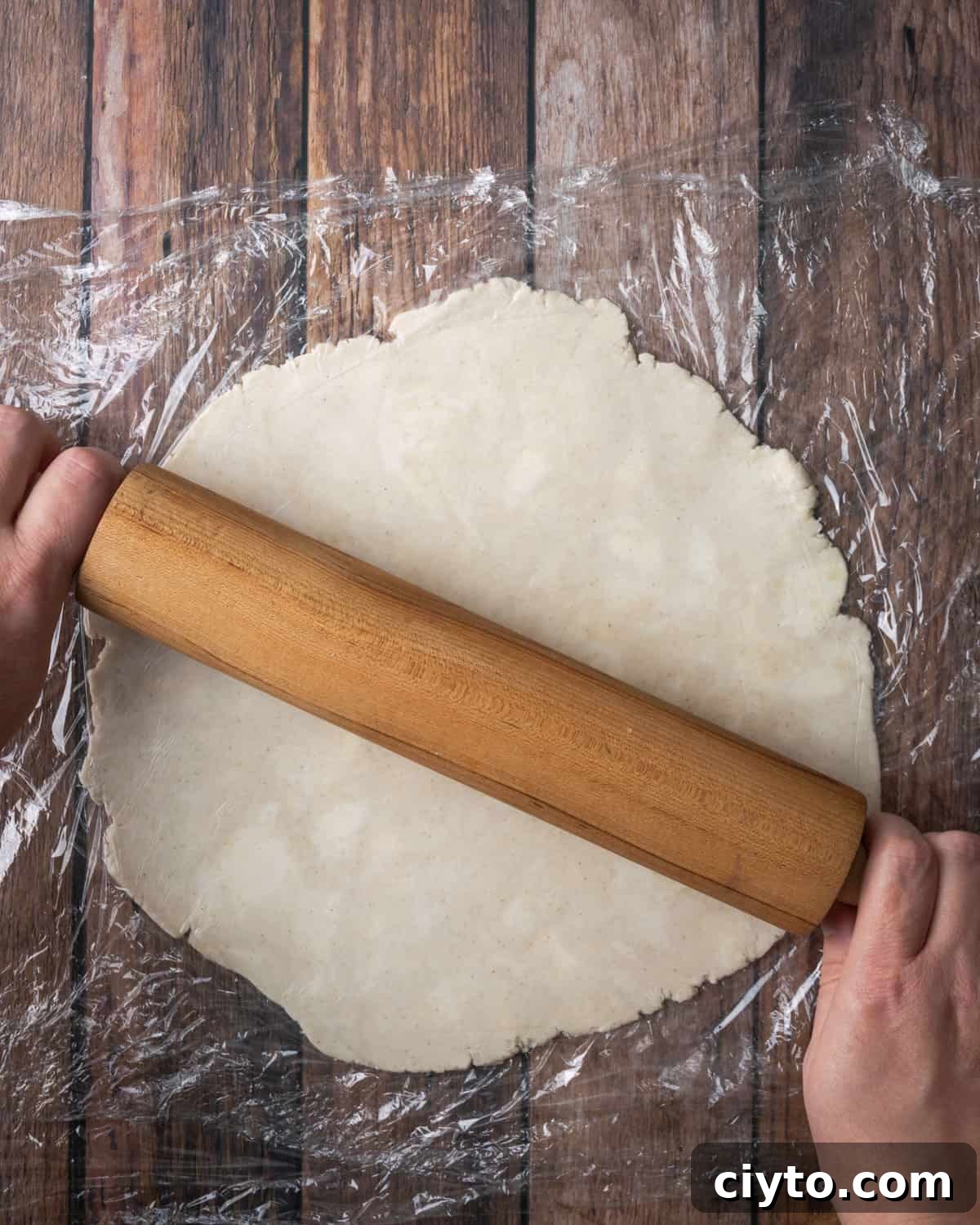
STEP 2: Roll to a circle about 1″ larger in diameter than your pie pan.
Method 2: Roll on parchment with a light dusting of flour
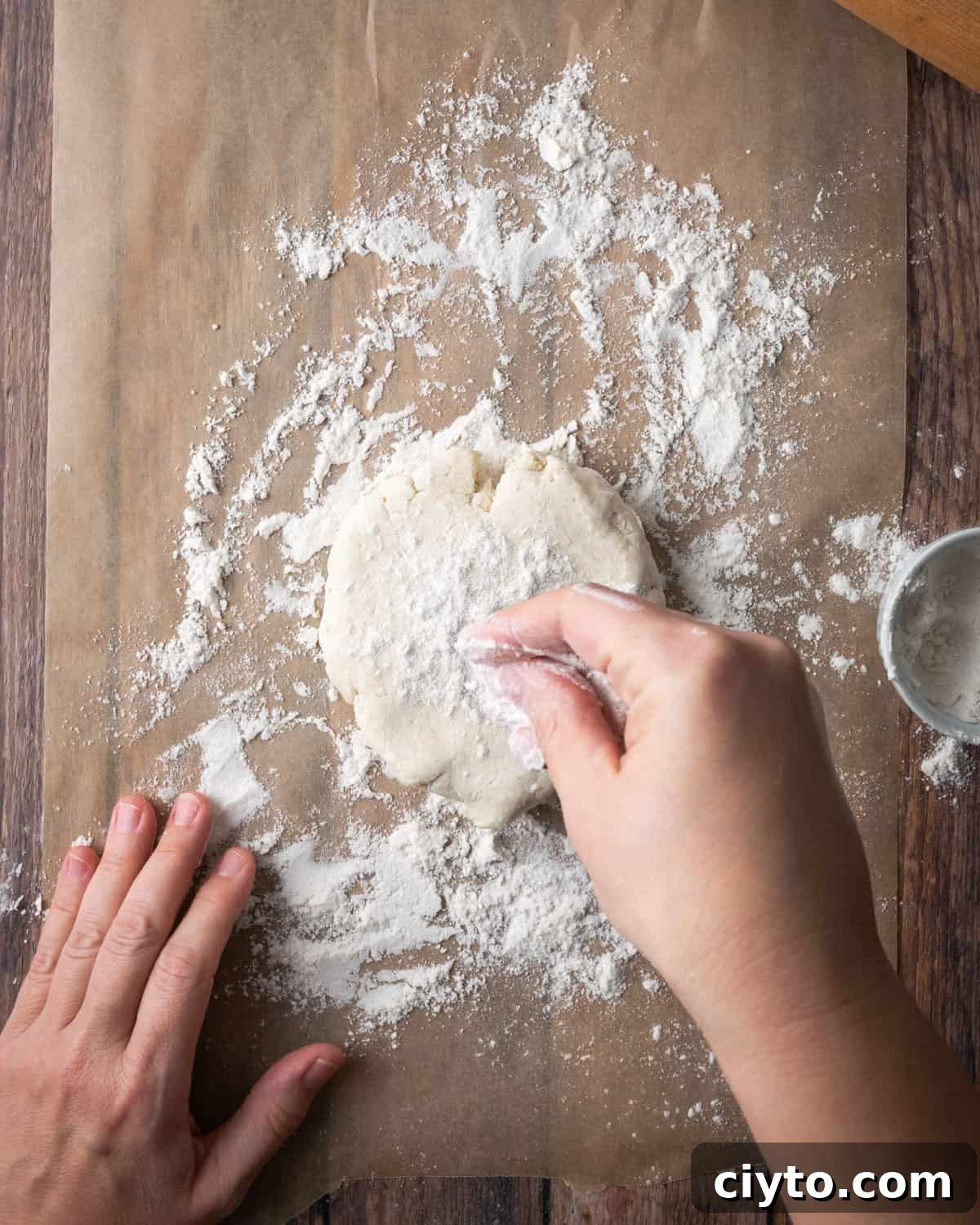
STEP 1: Place parchment on the counter and sprinkle with about 1 tablespoon gluten-free flour. Set the dough on top.
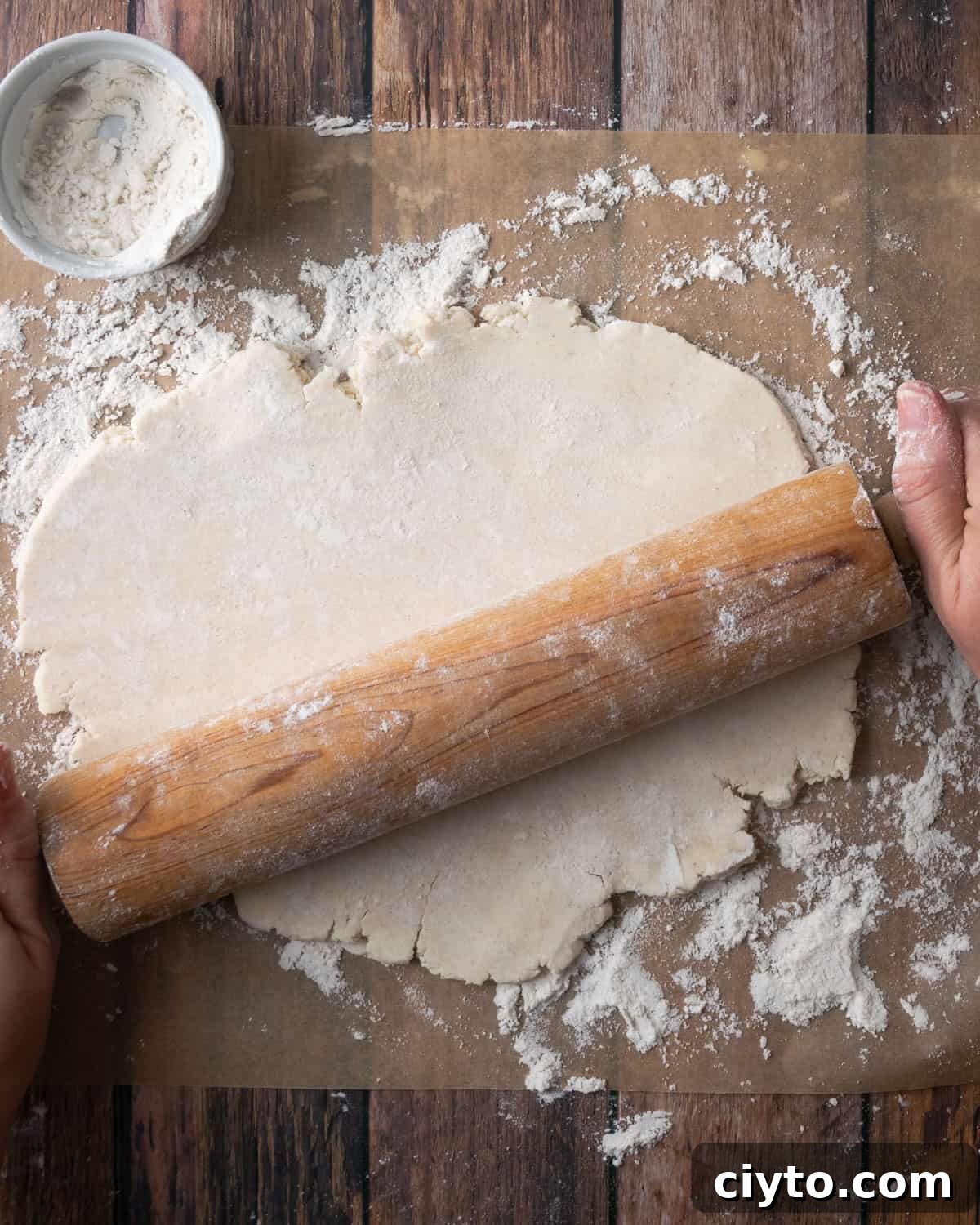
STEP 2: Dust the dough and rolling pin with another tablespoon of flour and roll directly on the dough to the correct size.
After rolling, place the dough sheet on a baking sheet and chill for another hour. Trim to the pan, flip the pan over to guide the dough into place, and avoid pressing the crust into the pan to prevent compressing the layers. Patch any holes with trimmed dough pieces. Freeze or refrigerate the shell until ready to fill.
Expert Tip
Use trimmed scraps to repair holes. A small tear can let filling leak and cause the crust to stick to the pan during baking.
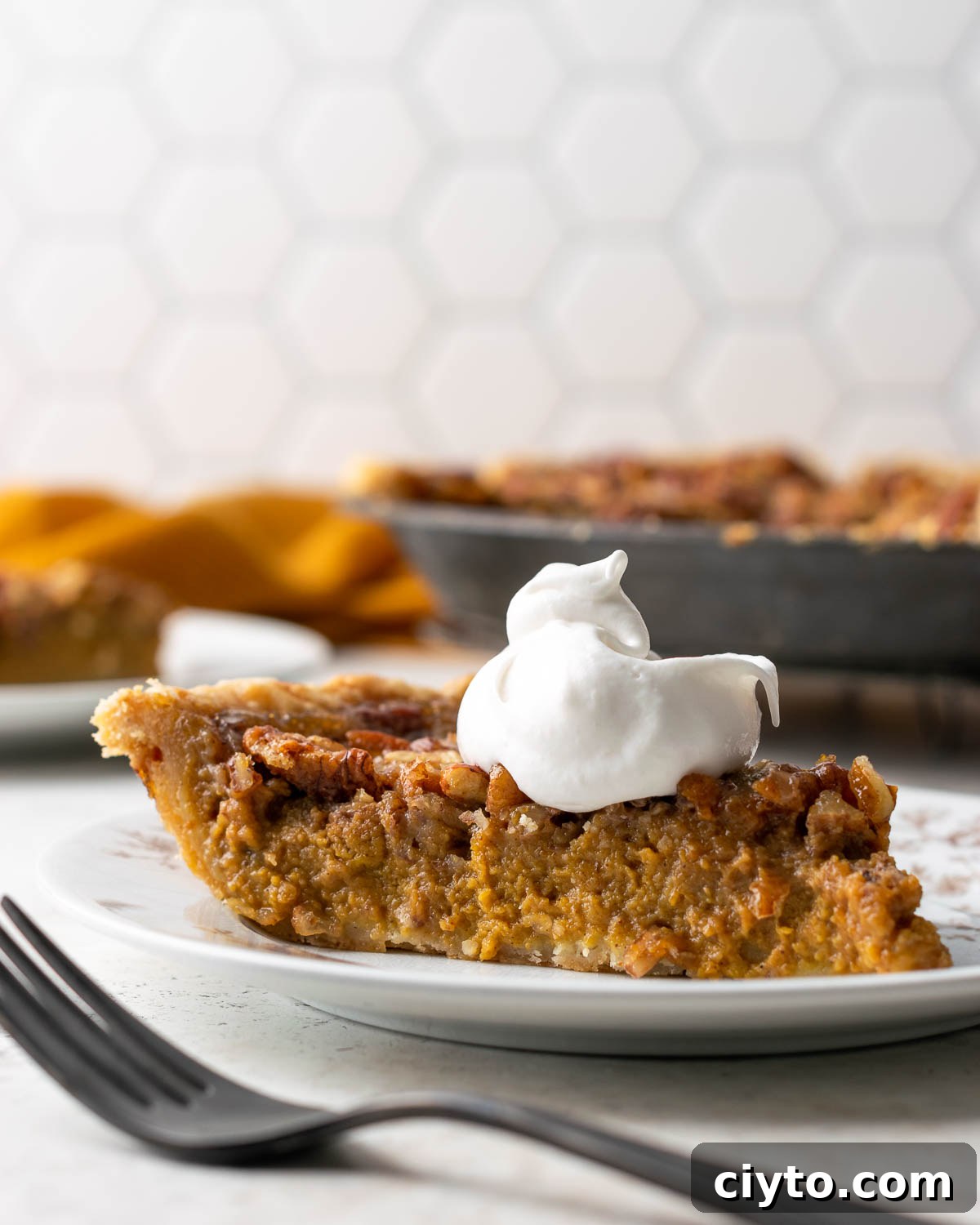
How to Make Extra Flaky Pie Crust
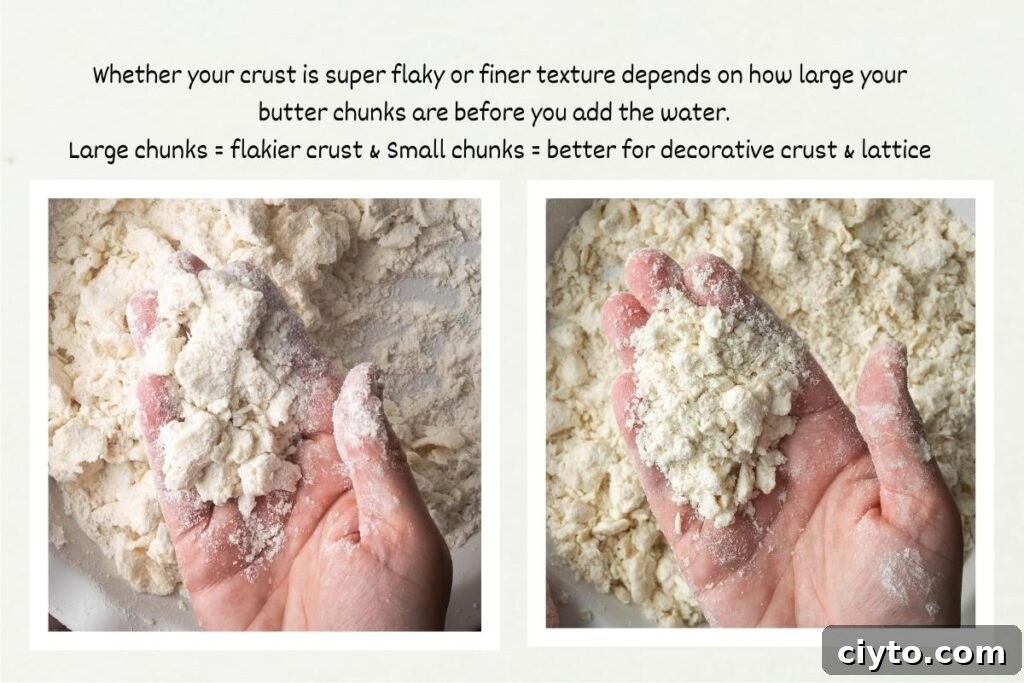
Three factors greatly influence flakiness:
- Keep the fat very cold: Cold fat creates steam pockets as it melts in the oven, which produces flakes. If the fat is warm, it can melt out too early and leave a greasy or cracker-like crust.
- Use larger pieces of fat: Larger, quarter-sized pieces produce bigger layers and a flakier result than finely cut or pea-sized bits.
- Add layers: Fold the rolled dough in half, then in half again, and re-roll. This simple fold-and-roll technique builds extra layers for a flakier crust.
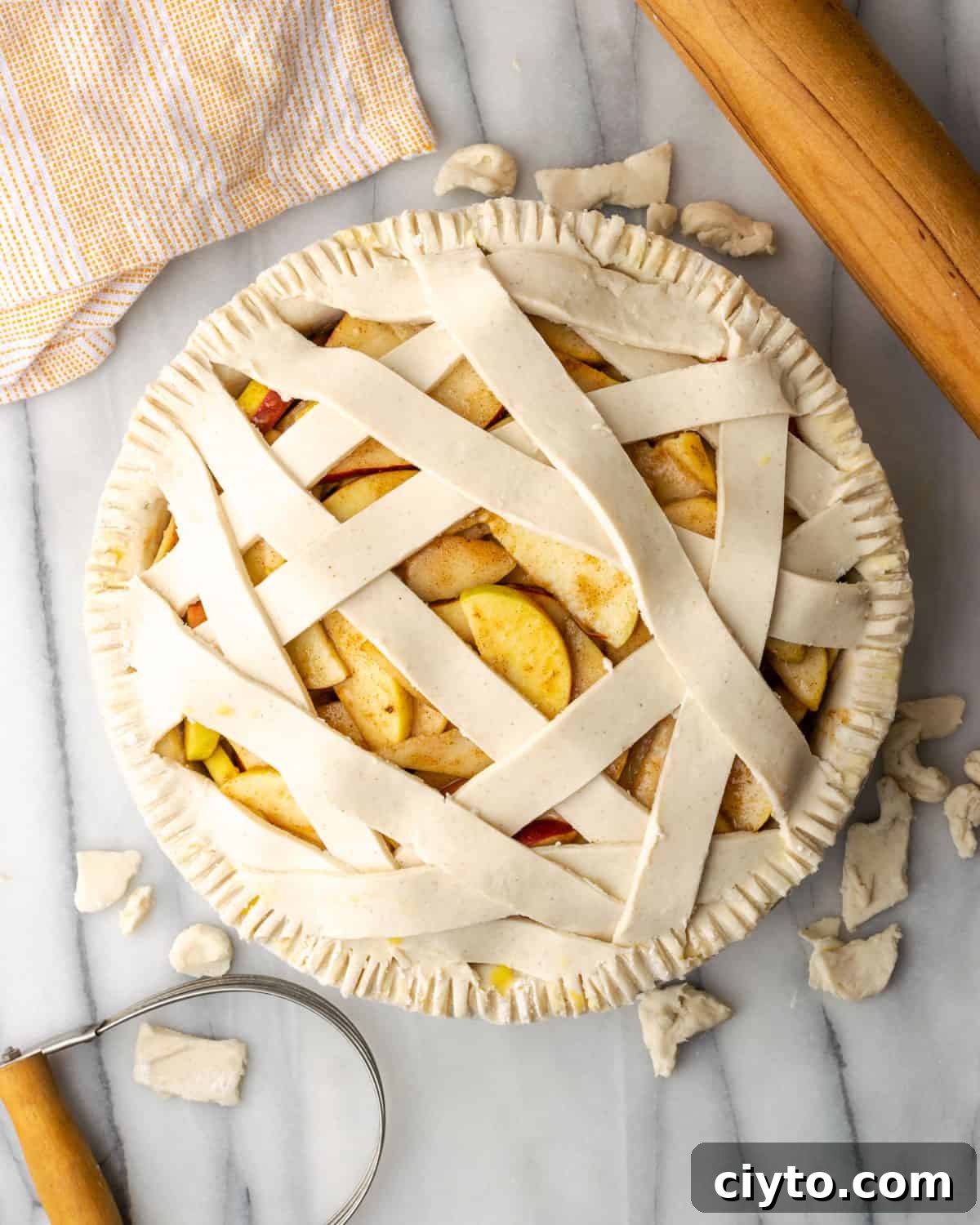
How to Make a Lattice Pie Crust
Once your gluten-free dough is rolled out, you can easily create a lattice top or other decorative designs:
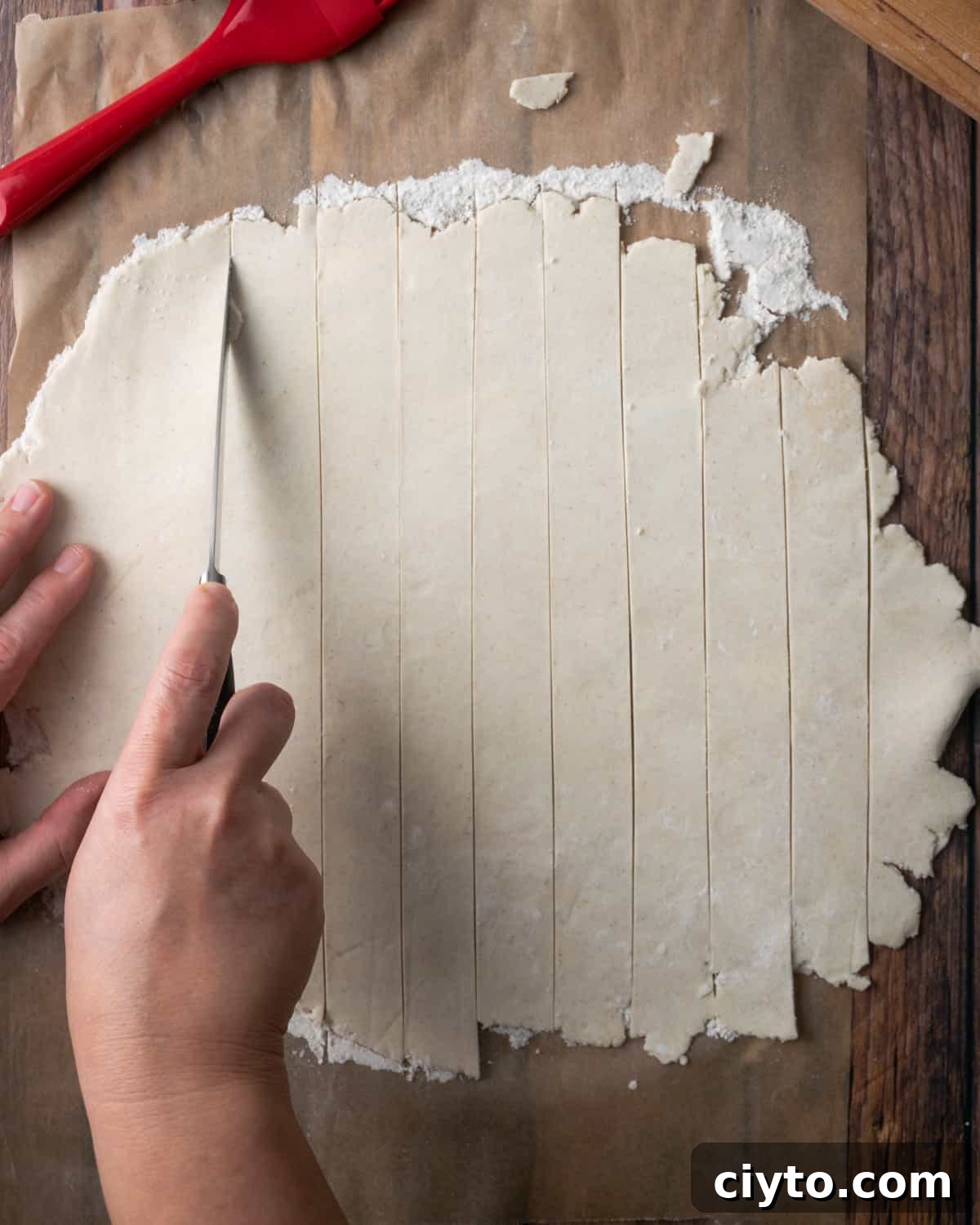
STEP 1: Cut the rolled sheet into strips.
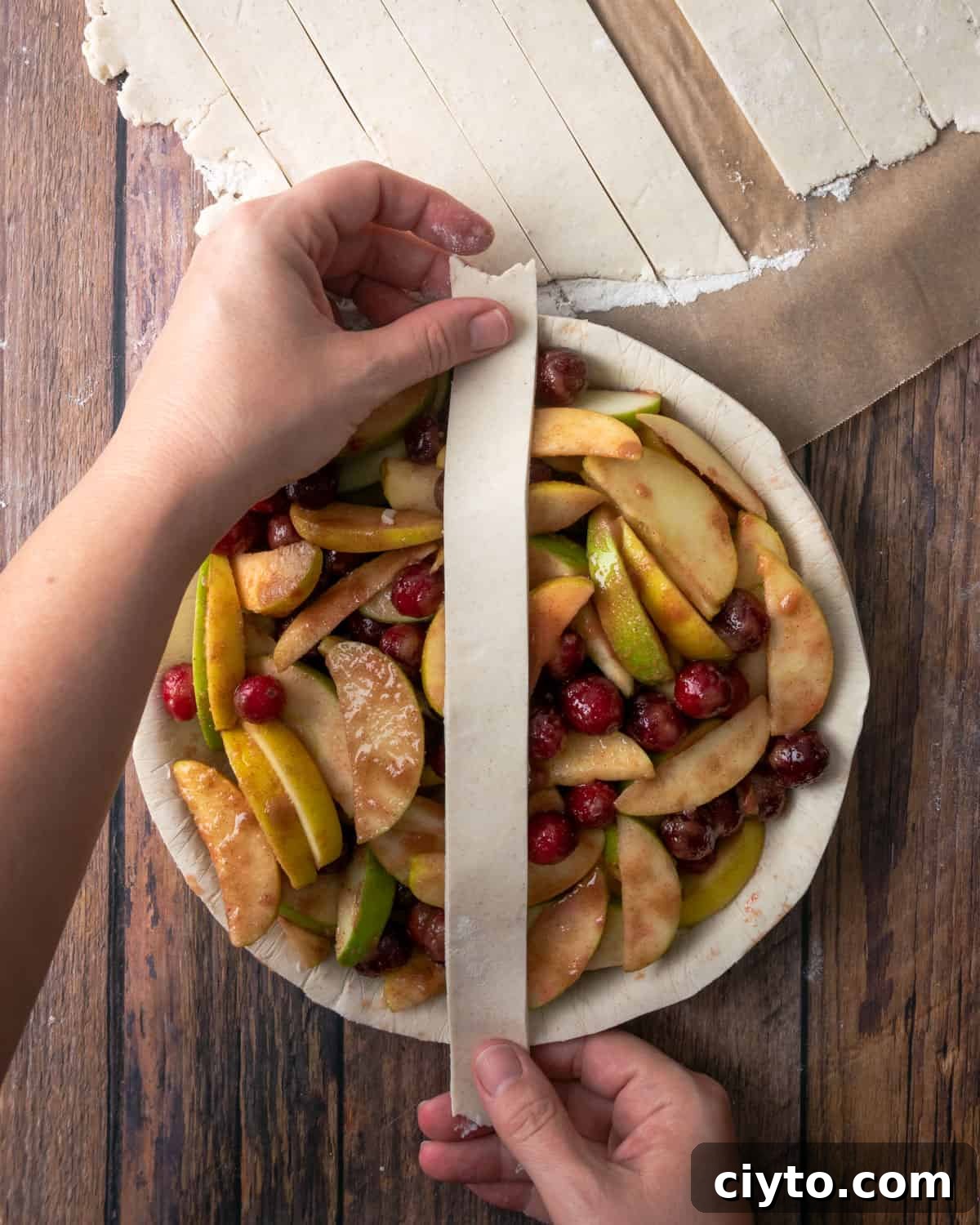
STEP 2: Lay every other strip in one direction across the pie filling.
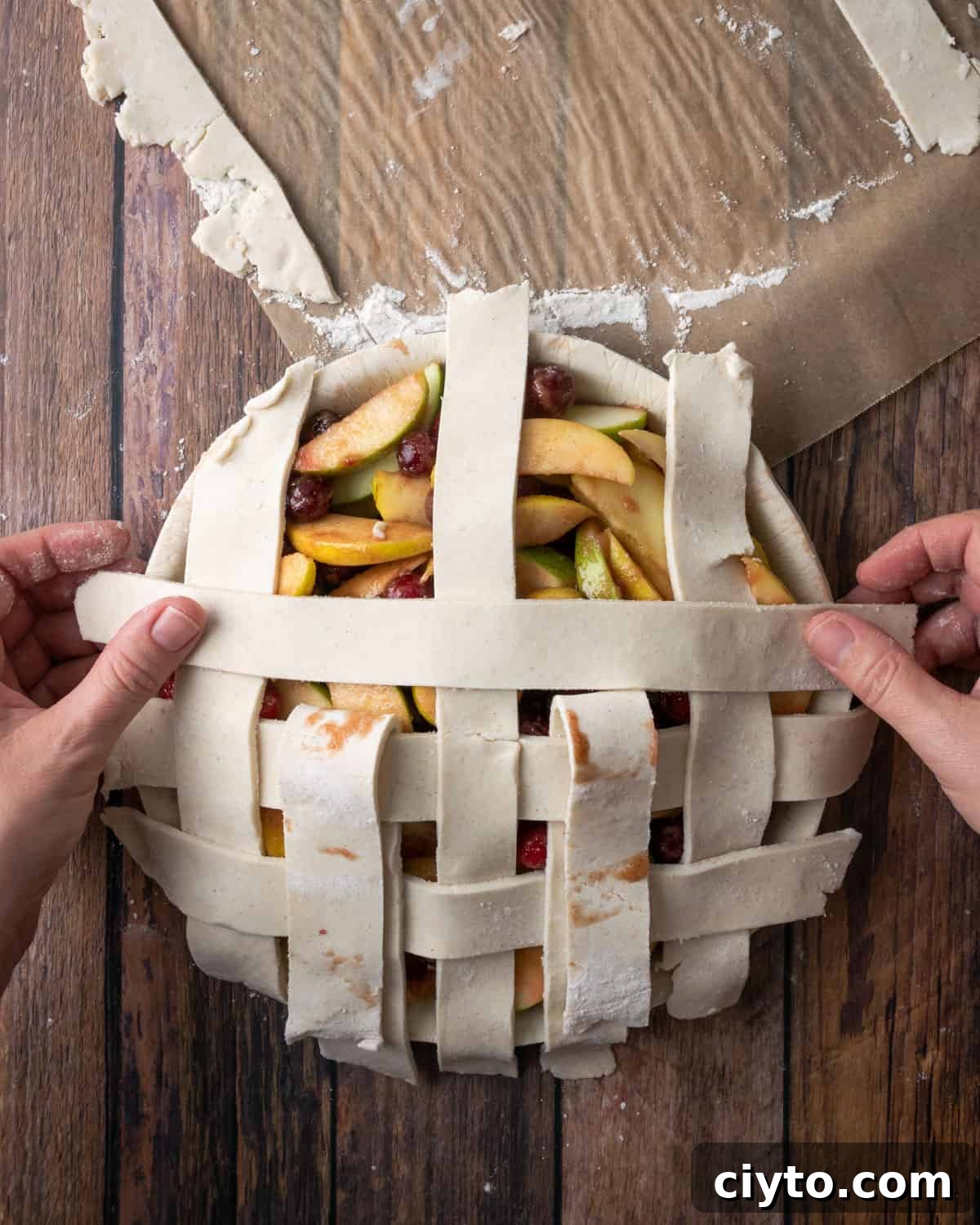
STEP 3: Fold back alternating strips, add perpendicular strips, and weave to form a lattice.
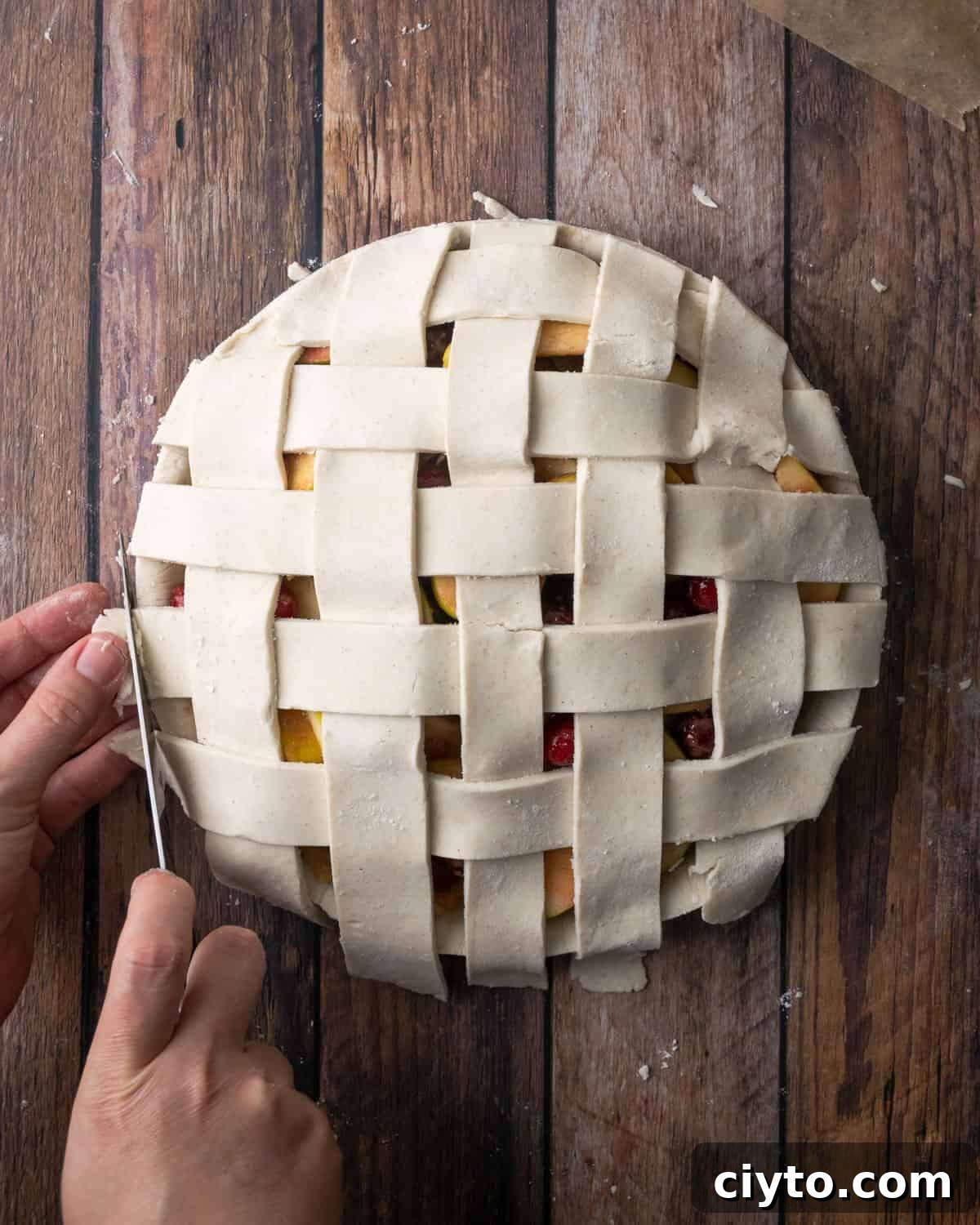
STEP 4: Trim the edges and crimp or decorate as desired before baking.
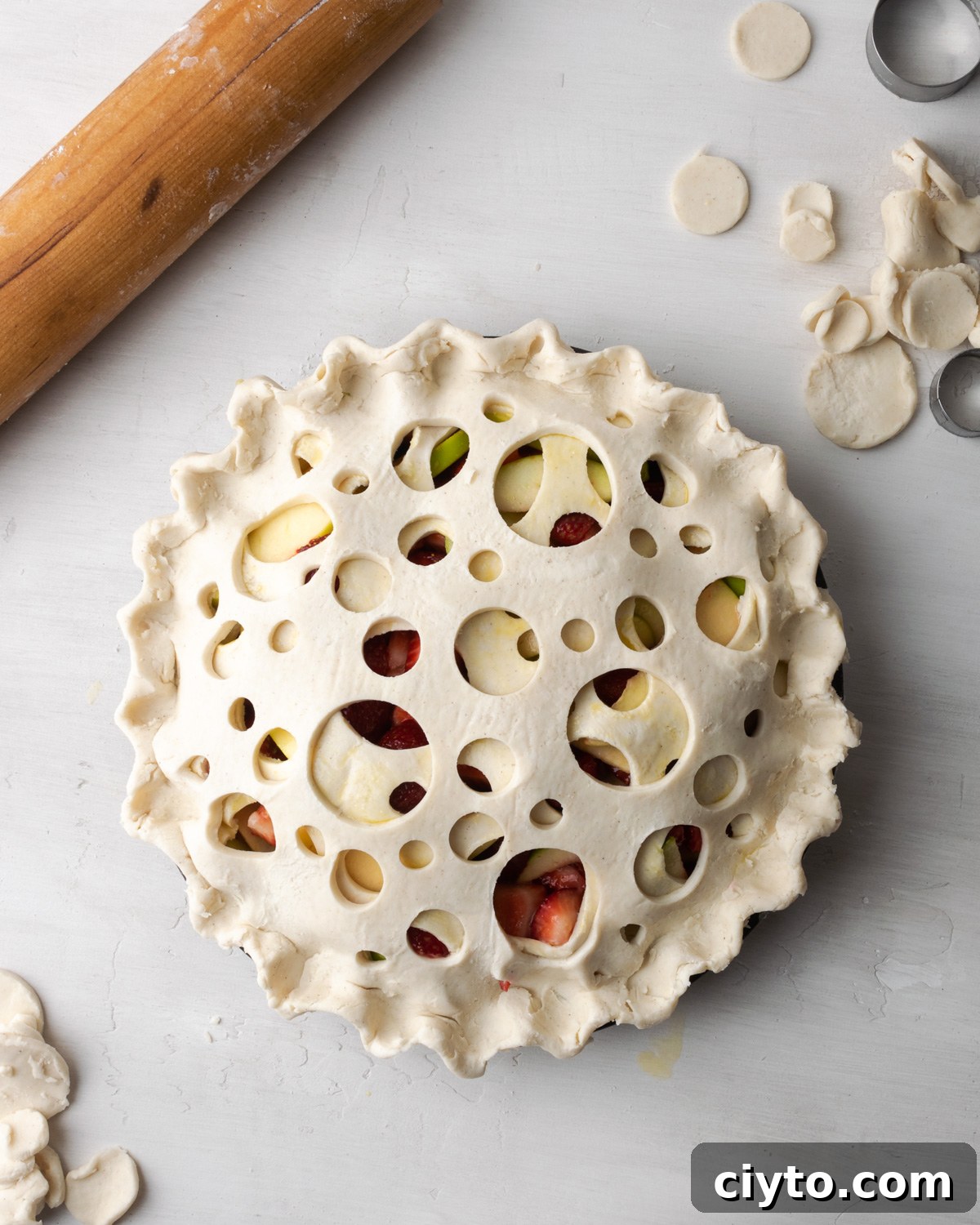
Use This Recipe to Make Decorative Pie Crusts
The dough is versatile—cut shapes, stars, diamonds, or braids to create a beautiful top for your pie.
Recipe FAQs
Wrapped as a patty, dough keeps in the refrigerator up to 5 days. For longer storage, freeze wrapped dough for up to 3 months. Thaw overnight in the refrigerator before rolling.
Can gluten-free pie dough be frozen before rolling?
Yes. Wrap discs tightly and store in a freezer bag for up to 3 months. You can also freeze fully lined pie shells; freeze until solid, then wrap in multiple layers to prevent freezer burn. No need to thaw frozen shells before baking.
How should frozen dough be thawed?
Always thaw in the refrigerator overnight. Thawing at room temperature or in a microwave can warm the fat and make the dough difficult to handle.
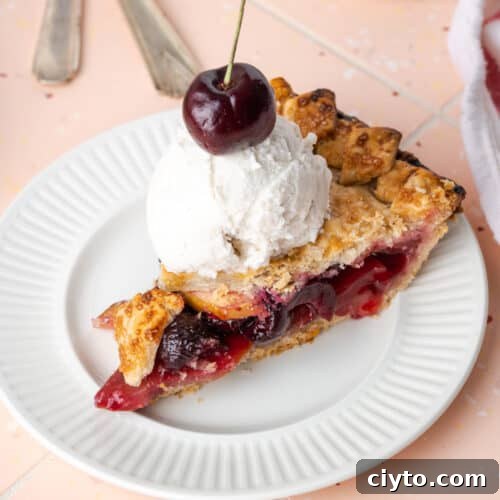
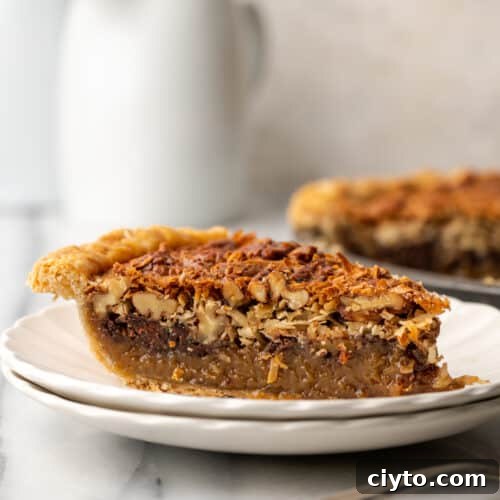
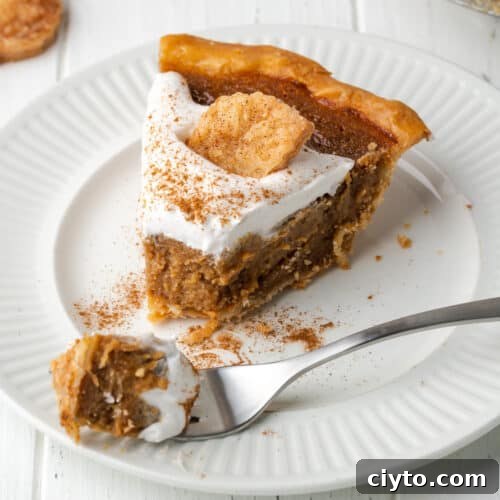
Gluten Free Pie Recipes to Consider
-
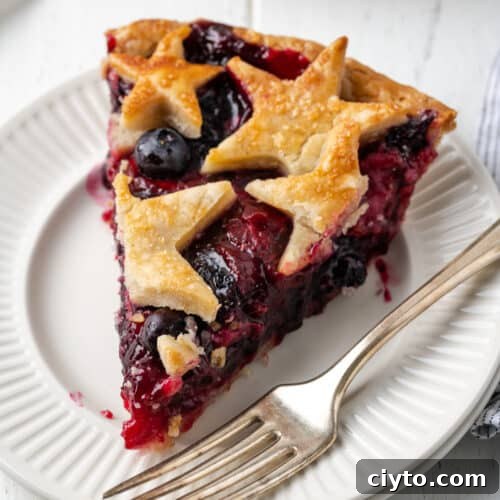
Strawberry Blueberry Pie
-
Apple Cherry Pie
-
German Chocolate Pecan Pie
-
Apple Butter Pie
If you try this recipe, please leave a star rating and share your experience in the comments below.
Recipe
Gluten Free Pie Crust
Indulge in delicious homemade pies with this dependable gluten-free pie crust. Made with simple, plant-friendly ingredients, it works well for many fillings.
Author: Tiffany
Prep Time: 3 hours 15 minutes (includes chilling) | Total Time: 3 hours 15 minutes | Servings: 8 | Calories: 321 kcal
Ingredients
- 2 1/4 cups gluten-free 1-to-1 flour blend
- 2 tablespoons cornstarch (or arrowroot/tapioca)
- 1/2 teaspoon salt
- 1 tablespoon sugar
- 1/2 cup vegan butter (or regular unsalted butter)
- 1/2 cup vegetable shortening
- 1/2 cup ice cold water (you may need most but not all)
Instructions
- Cut the butter and shortening into ½” cubes and freeze for at least 15 minutes.
- Measure the cold water and chill it while you prepare the dry ingredients.
- In a large bowl, combine the flour blend, cornstarch, salt, and sugar and mix well.
- Add the frozen butter and shortening cubes and toss to coat with flour. Quickly press the fat pieces between your fingers into discs roughly the size of a quarter; the mixture should resemble coarse crumbs with notable chunks of fat.
- Add about half the cold water and toss to hydrate. Add more water a little at a time until the dough holds together when squeezed.
- Form the dough into a large patty about 1″ thick. Wrap tightly in plastic and refrigerate for at least 2 hours or up to 5 days.
- When ready to roll, dust parchment with a tablespoon of flour or roll the disc between plastic. Roll to a circle 1″ larger than your pie pan, chill the sheet on a baking sheet for 1 hour, then transfer to the pan, trim, crimp, and freeze or refrigerate until ready to fill.
Notes
This recipe yields a double crust. For a single crust, freeze the extra dough for later. To make a non-vegan version, substitute dairy butter in equal measure. If you omit shortening, replace it with an extra 1/2 cup butter, though the dough may be softer to work with. For starch alternatives, use equal amounts of arrowroot or tapioca starch.
Storage
Unrolled dough keeps in the refrigerator up to 5 days or in the freezer up to 3 months. Thaw frozen discs overnight in the fridge before rolling. Frozen pie shells can be baked from frozen or thawed slightly depending on the recipe.
Mention @wellfedbaker or tag #wellfedbaker on social media to share your results.