
Aloha Dreams
Fabulous Recipes, Cooking for a Crowd, & Dream Home Design
Porcupine Rice Balls
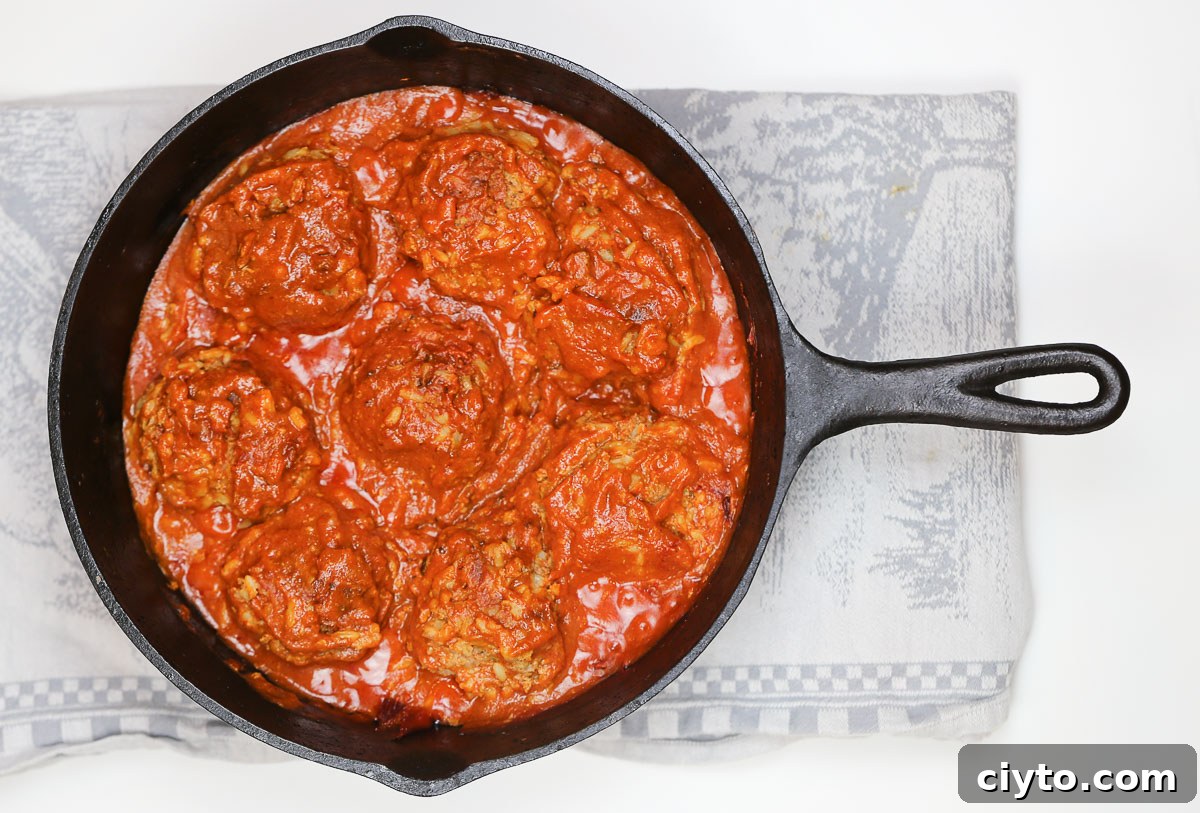
Porcupine rice balls are a comforting, old-fashioned dish that has been part of many family kitchens for decades. My mother made these regularly, and I loved sharing them with my children — now they ask for the recipe themselves. Porcupine rice balls are an easy, satisfying dinner that often outshines ordinary meatballs. The aroma of simmering tomato sauce and savory meat draws everyone to the table. This recipe is a classic example of home cooking: simple ingredients, straightforward technique, and plenty of heart.
Why Porcupine Rice Balls Work
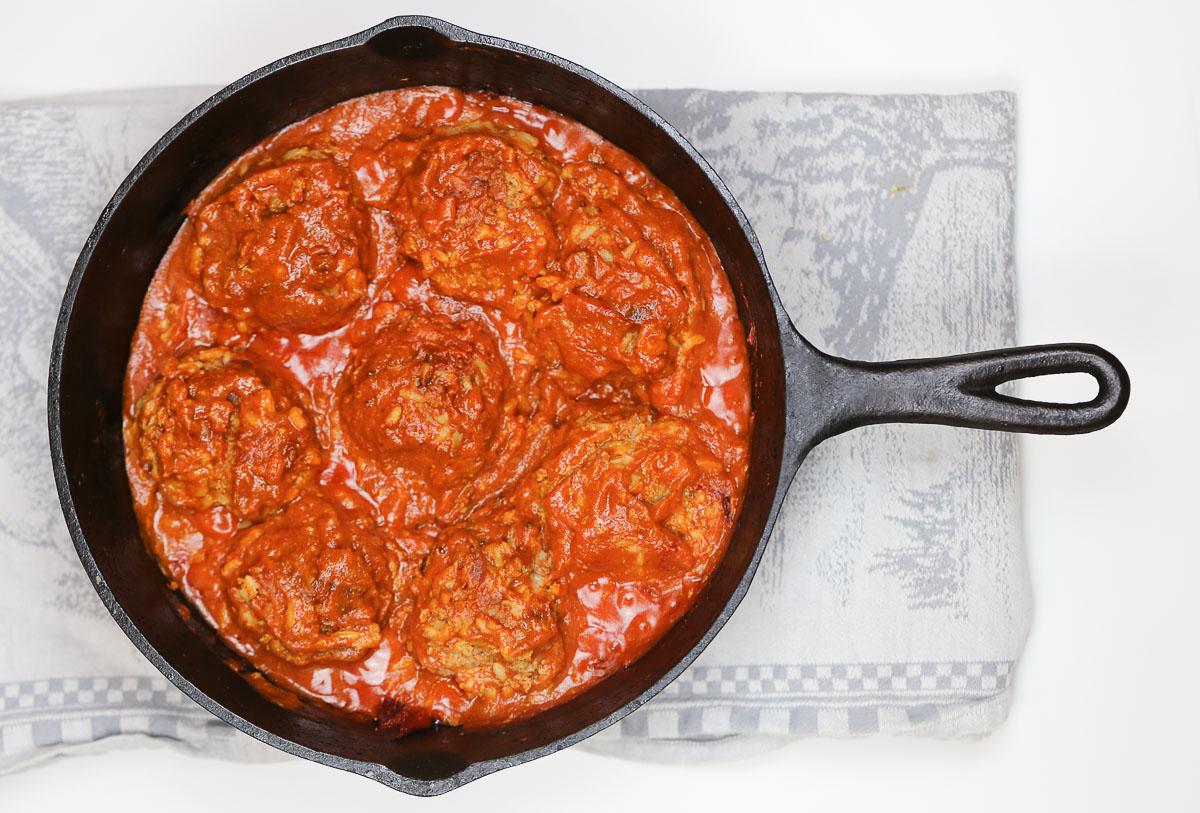
Porcupine rice balls are built on the smart idea of combining uncooked rice directly into the meat mixture, then cooking the balls in a seasoned tomato sauce until the rice swells and becomes tender inside. The rice cooks in the sauce, absorbing flavor and helping the meatballs hold together. The result is a tender, slightly textured interior with a flavorful tomato exterior. For families, they’re an economical, one-pot meal that stretches ground meat and makes an easy weeknight dinner.
General Method and Tips
To make porcupine rice balls, mix ground meat with aromatics and a portion of uncooked long-grain rice, along with an egg or binder if you like. Form the mixture into uniform balls so they cook evenly. Arrange the meatballs in a skillet or Dutch oven and pour a tomato-based sauce over them, seasoned with herbs and a little sweetness to balance the acidity. Simmer gently, covered, until the rice inside each ball is tender. Avoid boiling vigorously; a low, steady simmer yields the best texture and prevents the meat from breaking apart as the rice expands.
Cooking tips:
- Use long-grain rice for a fluffier interior; short-grain rice will be stickier.
- Form balls about the size of a golf ball for consistent cooking time.
- Keep the simmer gentle and check the sauce periodically to ensure it doesn’t reduce too far.
- If you need to cook for a crowd, scale up the same ratio and use a large pot or two pans to avoid overcrowding.
Serving Suggestions
Porcupine rice balls pair wonderfully with a simple green salad, steamed vegetables, or crusty bread to soak up the sauce. For a Hawaiian-inspired table, serve them alongside pickled vegetables, roasted pineapple, or a bright citrus salad. They travel well, too — pack the sauce on the side if reheating in a microwave to preserve texture, or reheat gently on the stovetop for best results.
Storage and Make-Ahead
Leftovers: Store cooked porcupine rice balls in an airtight container in the refrigerator for three to four days. Reheat slowly on the stovetop with a splash of water or additional sauce to prevent drying out. Porcupine balls also freeze well; cool completely and freeze in a single layer on a tray before transferring to freezer-safe bags. Reheat from frozen by simmering in sauce until warmed through.
Variations to Try
Variations are easy: swap the ground meat for turkey or a mix of pork and beef, add finely chopped vegetables to the meat mixture for extra nutrition, or use a spiced tomato sauce for a different flavor profile. For a lighter version, brown the meatballs briefly and finish cooking them in a vegetable-forward tomato broth.