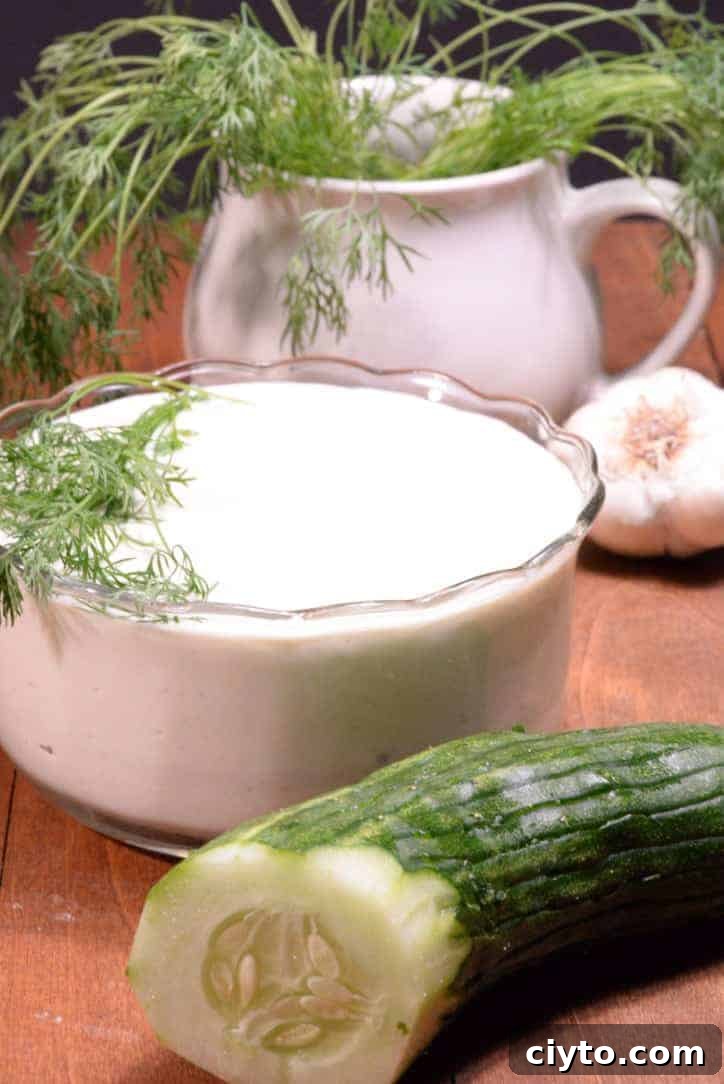
Greek tzatziki is a classic, creamy sauce traditionally served alongside grilled lamb souvlaki, gyros, or simply as a refreshing dip for pita bread and fresh vegetables. Made from strained yogurt, cucumber, garlic and fresh dill, tzatziki offers a bright, cooling contrast to rich meats and spicy dishes. Its smooth texture and herb-forward flavor make it an indispensable condiment in Greek and Mediterranean cooking.
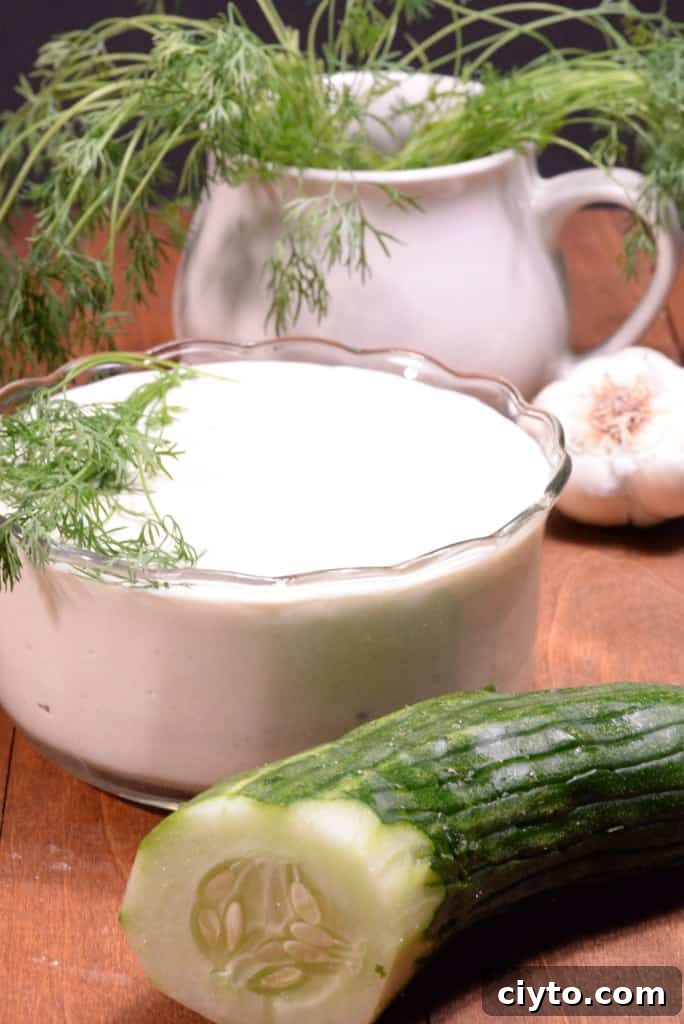
The base of a great tzatziki is thick, strained yogurt. Using Greek-style or labneh ensures a rich, velvety consistency without excess liquid. Fresh cucumber—ideally peeled, seeded and well-drained—adds subtle crunch and cooling moisture. Garlic provides pungency, while chopped dill gives the sauce its characteristic herbal aroma. A splash of extra virgin olive oil and a little red wine vinegar round out the flavors and help bind the mixture for a balanced finish. If you prefer a touch of heat or more depth, a pinch of sweet or hot smoked paprika can be sprinkled on top just before serving.
Tzatziki is incredibly versatile. Serve it as a sauce for grilled meats like lamb, chicken or beef; spoon it into wraps and gyros; use it as a dip for raw vegetables, pita chips or flatbread; or dollop it over roasted vegetables and grain bowls for an instant flavor boost. It also works well as a base for sandwiches in place of mayonnaise, bringing brightness without heaviness.
When making tzatziki, take a few simple steps to ensure the best texture and flavor: remove excess water from the grated cucumber by salting briefly and squeezing it tightly in a clean towel or cheesecloth; mince or grate garlic finely and taste for strength—garlic can dominate, so start with less and adjust; and chill the finished sauce for at least 30 minutes to allow flavors to meld. Always serve tzatziki cold.
Please note: this page may contain affiliate links in its original form; any purchases through such links typically earn a small commission for the recipe author at no additional cost to you. Thank you for supporting the content and recipes.
Greek Tzatziki (Cucumber, Garlic, Dill Sauce)
Course: Sauce
Cuisine: Greek
Prep Time: 15 minutes
Total Time: 15 minutes
Servings: 1 cup
Author: International Cuisine
Ingredients
- 1 cucumber
- 2 cloves garlic, minced
- 1/4 cup extra virgin olive oil
- 500 g strained yogurt (about 18 ounces)
- 1–2 tablespoons red wine vinegar
- 1/4 cup chopped fresh dill
- A pinch of salt, to taste
Instructions
- In a blender or small food processor, combine the olive oil and minced garlic and blend briefly until combined. This mellows the raw garlic slightly and helps disperse its flavor throughout the sauce.
- Peel the cucumber, remove the seeds, and grate it into a large bowl. Season the grated cucumber lightly with salt and let it sit for about 10 minutes to draw out excess moisture.
- Gather the grated cucumber in a clean kitchen towel or cheesecloth and squeeze firmly to remove as much liquid as possible. Removing water prevents the tzatziki from becoming runny.
- In a mixing bowl, combine the drained cucumber, the blended garlic and oil mixture, the strained yogurt, 1–2 tablespoons red wine vinegar (adjust to taste), and the chopped dill. Add a pinch of salt and freshly ground black pepper.
- Stir or whisk the ingredients together until smooth and evenly combined. Taste and adjust seasoning—add more vinegar for brightness, more dill for herbiness, or more garlic if you prefer a stronger kick.
- Refrigerate the tzatziki for at least 30 minutes before serving so the flavors can meld. Always serve chilled.
Tips and Variations
– For the creamiest result, use full-fat strained yogurt or Greek yogurt. If using regular yogurt, strain it in a fine sieve or cheesecloth for an hour to remove whey.
– If dill is not available, substitute with finely chopped fresh mint for a different but still classic flavor profile.
– To make a lighter version, use low-fat strained yogurt, but expect a slightly less rich texture.
– For extra depth, add a small amount of lemon juice instead of, or in addition to, red wine vinegar. Freshly cracked black pepper enhances the overall taste.
– Store tzatziki in an airtight container in the refrigerator and consume within 2–3 days for best freshness. Stir before serving, as slight separation can occur.
Serving Suggestions
Serve tzatziki alongside grilled lamb souvlaki, chicken skewers, falafel, or as part of a mezze platter with olives, roasted peppers, and warm pita. It also makes an excellent accompaniment to roasted vegetables, baked potatoes, or as a cool contrast to spicy dishes. A small drizzle of olive oil and a sprinkle of paprika or chopped fresh dill on top make for a simple, attractive finish.