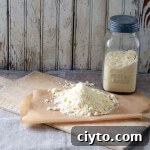
What is Flour?
Flour simply refers to any food that has been ground into a fine powder. In paleo baking, the most common alternatives to wheat are almond flour and coconut flour. I began baking with these flours in 2001 and have spent years refining techniques and recipes. Below I explain what each flour is, how they differ, how they behave in recipes, and which brands tend to produce consistent results.
What is Almond Flour?
Almond flour is made from blanched almonds that have been finely ground and sifted into a soft, powdery texture. It has a naturally sweet, buttery flavor and contributes both fat and protein to baked goods. Because of its texture and fat content, almond flour produces moist, tender cakes, cookies, scones, and muffins, and it also works well for savory breading. I’ve used almond flour extensively in my recipes and even authored a cookbook focused on almond flour baking, which demonstrates its versatility in gluten-free and grain-free baking.
What is the Difference Between Almond Flour and Almond Meal?
Almond flour and almond meal are not the same. Almond flour is made from blanched almonds and is ground very finely. Almond meal usually includes the skins and is more coarsely ground. Coarse almond meal can produce a dense or uneven texture in recipes that require a fine flour. For many delicate paleo baked goods, finely ground blanched almond flour is the better choice.
What is Coconut Flour?
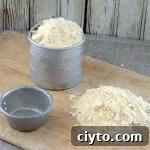
Coconut flour is produced from dried, defatted coconut meat that has been milled into a soft powder. It yields light, fluffy cakes and baked goods but behaves very differently from almond flour. Coconut flour is extremely absorbent — it soaks up a lot of liquid, so recipes using it require significantly more eggs or liquid than wheat- or almond-based recipes. A little coconut flour goes a long way, which is why recipes often call for a small amount combined with eggs or other wet ingredients.
Because coconut is botanically distinct from tree nuts, coconut flour is a useful option for people with tree-nut allergies who can tolerate coconut. Coconut flour performs exceptionally well in cakes, cupcakes, muffins, and other tender baked goods, although it doesn’t deliver the same crunchy texture that almond flour can create.
Paleo Baking: Almond Flour vs. Coconut Flour
Almond flour and coconut flour are both staples of paleo baking, but they are not interchangeable on a one-to-one basis. Almond flour is high in fat and protein and produces rich, moist textures. Coconut flour is high in fiber and carbohydrates and absorbs a lot of moisture. Because their physical properties differ so much, substituting one for the other without reformulating the recipe usually results in an unsatisfactory outcome. If you want reliable results, follow recipes designed specifically for the flour called for.
When learning paleo baking, it helps to start by following tested recipes closely. Once you understand how each flour behaves, you can experiment with adjustments. For many home bakers, using recommended ingredient types and brands reduces variability and leads to more consistent results.
Almond Flour and Coconut Flour are Real Food
Both almond flour and coconut flour are whole-food ingredients. I do not use defatted or highly processed versions in my baking. The natural fat in blanched almond flour contributes flavor, texture, and structure to recipes; removing that fat changes the ingredient’s performance. Likewise, coconut flour that has been overly processed may not behave as expected in recipes designed for full-fat, properly milled flours.
Nutrition Facts
Here is a basic macronutrient comparison for each flour, using a 100-gram measure (roughly 3.5 ounces):
| Nutrition Info (100 g) | Fat | Protein | Carbs | Fiber |
|---|---|---|---|---|
| Almond Flour | 51g | 22g | 20g | 10g |
| Coconut Flour | 9g | 19g | 65g | 39g |
Almond flour is much higher in fat and is therefore more suitable for low-carb and ketogenic approaches, while coconut flour is higher in carbohydrates and fiber. Which flour is best depends on your dietary goals, taste preferences, and how your body responds to different foods.
Using Paleo Baked Goods to Transition Away from the Standard American Diet
Paleo baking can be a helpful transition tool for people moving away from a Standard American Diet (SAD). Replacing refined flours and processed sweets with baked goods made from almond or coconut flour and natural sweeteners can be a gentler step toward cleaner eating. That said, minimizing sweet treats overall is usually healthiest—especially for those managing weight or autoimmune conditions.
Dietary changes are personal and work best when they are sustainable. If grain-free baking helps you stay on track while you adapt to a new way of eating, it can be a useful tool. Over time you may choose to reduce how often you bake and consume sweets as your diet evolves.
Recommended Brands of Almond Flour and Coconut Flour
Quality varies between brands, and that variability affects how flours perform in recipes. The following brands have consistently worked well in my recipes:
Almond Flour
- Wellbee’s (blanched almond flour)
- Nuts.com (super-fine almond flour)
- Honeyville Blanched Almond Flour
- JK Gourmet (blanched almond flour)
Coconut Flour
- Nuts.com (organic coconut flour)
- Tropical Traditions Coconut Flour
- Wilderness Family Naturals Coconut Flour
Some widely available brands may not perform well in recipes that require very specific absorbency or particle size; testing and experience will tell you which work best for your baking style.
Paleo Baking
Almond and coconut flours are my favorite paleo baking ingredients because they are nutritious and versatile. Since adopting a grain-free lifestyle in 2001, I’ve focused on converting classic favorite recipes into grain-free versions that are accessible and reliable. If you’re experimenting with these flours, start with recipes specifically formulated for them and allow yourself time to learn their unique properties. With practice, you’ll find which flour or combination of flours works best for each type of baked good.
For recipe ideas and inspiration, look for collections of almond-flour and coconut-flour recipes designed for paleo and grain-free baking. Enjoy exploring these flours and discovering the textures and flavors they bring to your kitchen.