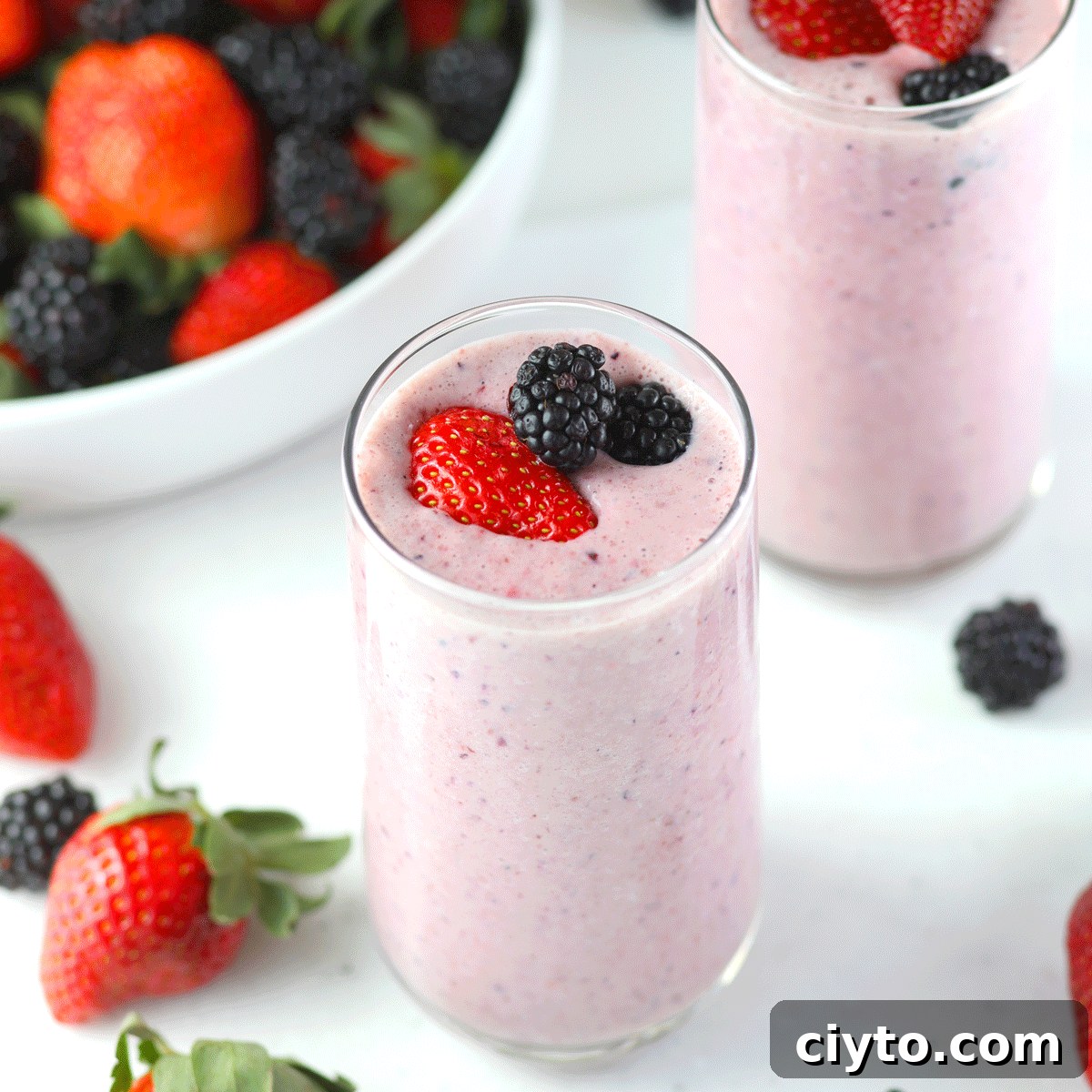
This simple Greek yogurt fruit smoothie is a fast, healthy breakfast you can make with just a few wholesome ingredients.
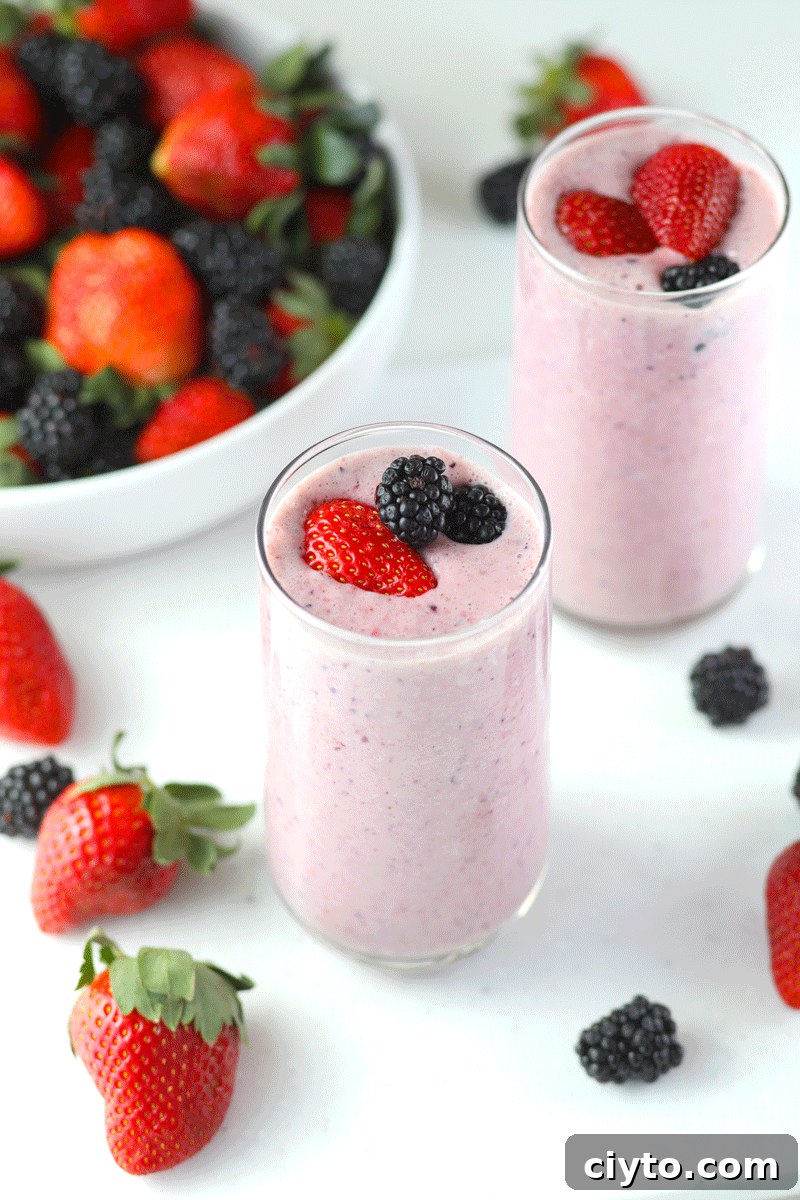
I grew up on cereal, like many kids of the 90s, and for a long time it was what I served my own children most mornings. Over the years our routine shifted: I started preparing fewer boxed cereals and more whole-food breakfasts. While I love the idea of cooking eggs every morning, busy days call for a reliable, quick option. Smoothies fit the bill perfectly — especially ones made with Greek yogurt and fruit. They’re fast, kid-friendly, and easy to customize depending on what you have on hand.
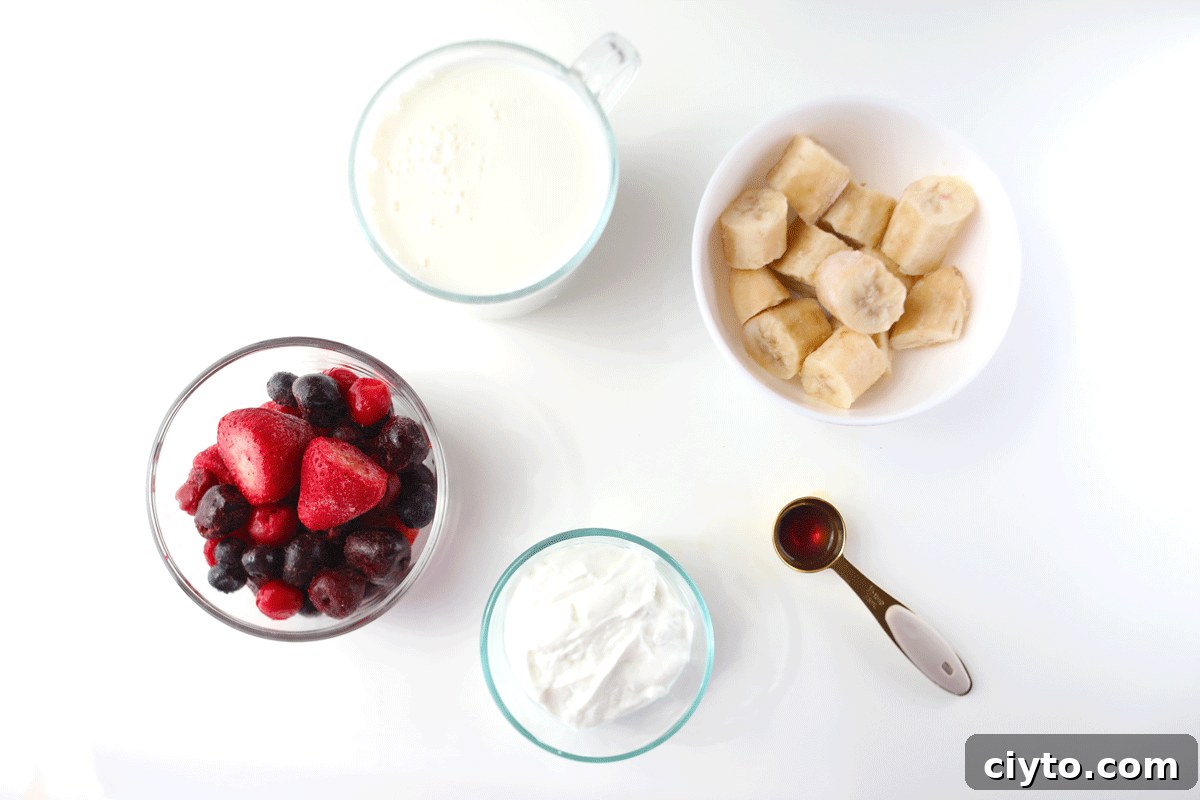
What you need to make a smoothie using yogurt
Ingredients
- Milk or juice – Use milk (dairy or a non-dairy alternative) for a mild, creamy flavor. Swap some or all of the milk for orange juice if you want a brighter, tangier drink.
- Bananas – Frozen bananas give the smoothie a thick, frosty texture without needing ice, and they add natural sweetness.
- Yogurt – Greek yogurt yields a thicker, creamier smoothie and adds protein. Plain or vanilla both work well.
- Fruit – Frozen fruit keeps the smoothie chilled and silky. Fresh fruit also works; add ice if you prefer it colder and thicker.
- Vanilla extract (optional) – A little vanilla enhances the overall flavor, but it’s optional.
If you make yogurt at home, you can use your own batch to save money and control ingredients.
How to make Greek yogurt and fruit smoothies
Combine: Add the ingredients to your blender in this order: 1 1/2 cups milk (or milk plus juice), 1/2 cup Greek yogurt, 2 frozen bananas (chopped), 1 cup frozen fruit, and 1 teaspoon vanilla if using.
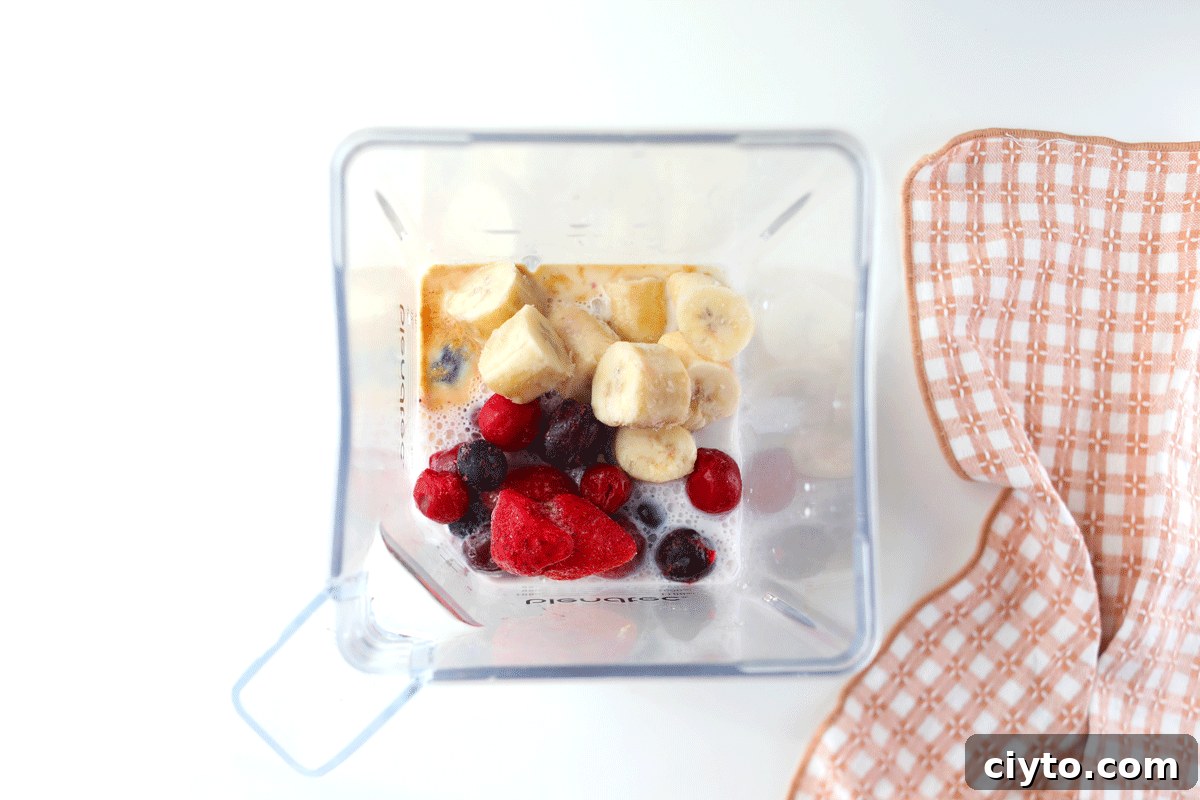
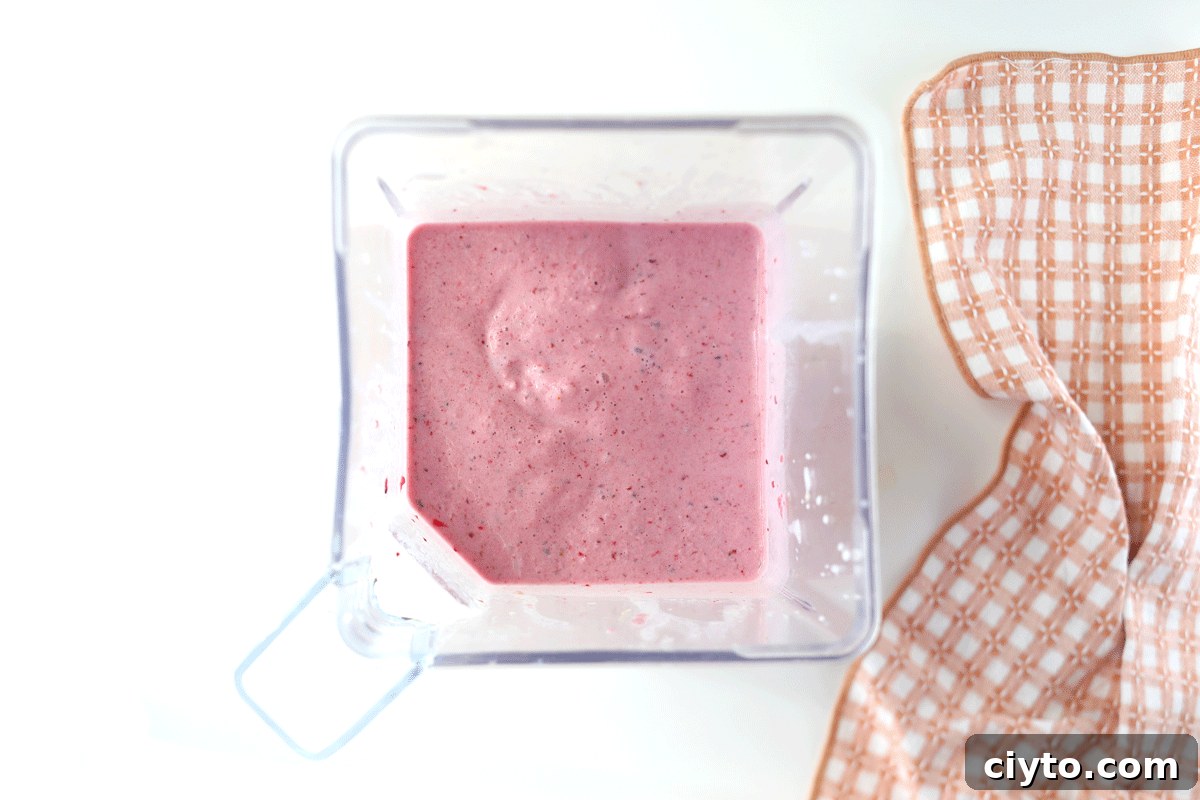
Blend: Blend on high until the mixture is smooth and creamy. If it’s too thick, add a splash more milk; if too thin, add a few more frozen fruit pieces or a handful of ice.
Tips for success
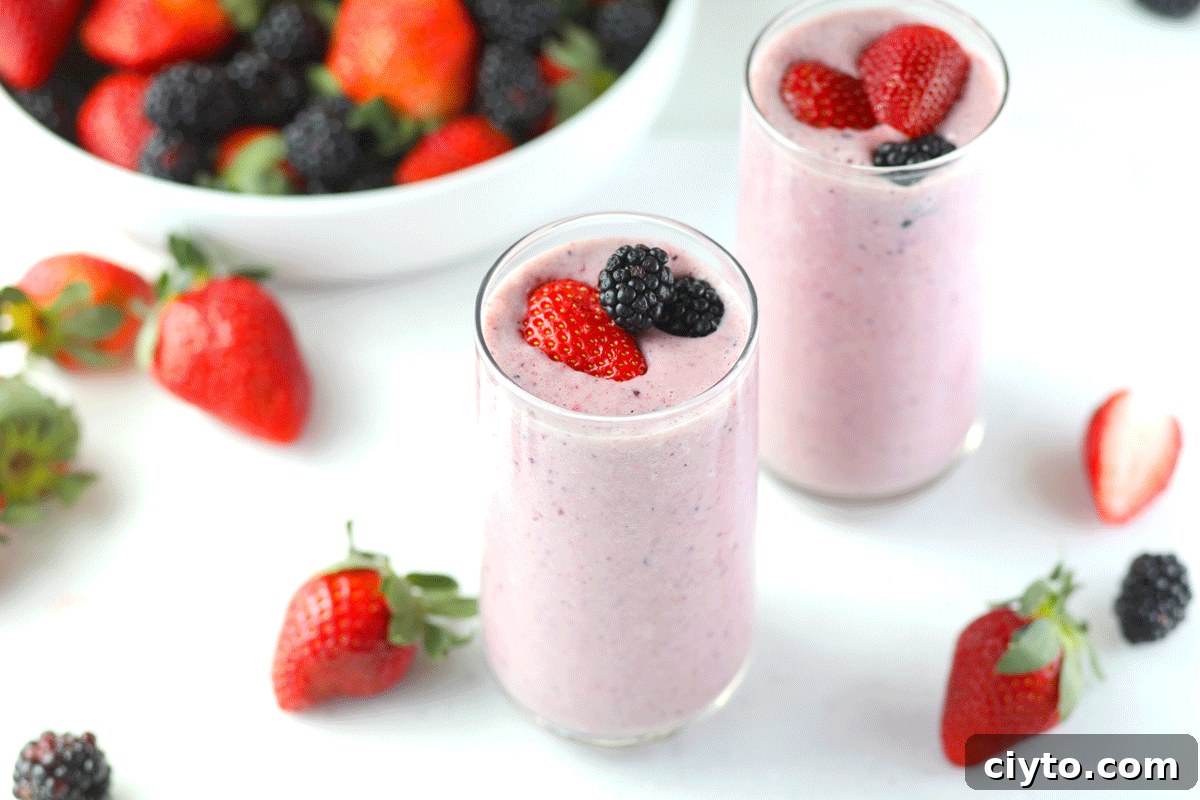
- To serve: This recipe makes about two 8-ounce servings. Pour into glasses and enjoy immediately for the best texture and flavor.
- To store: Smoothies are best fresh, but you can refrigerate in an airtight container up to 24 hours. For longer storage, freeze single-serving portions in freezer-safe jars or containers for up to one month; thaw and stir before drinking.
- Substitutions: If using fresh fruit, add a handful of ice to chill and thicken the smoothie. Any milk alternative (almond, oat, soy, etc.) works well.
- Flavor variations: Swap half the milk for orange juice for a citrusy twist. Add a pinch of cinnamon, a squeeze of lemon, or a few fresh herbs for subtle flavor changes.
- Extra nutrition: Stir in chia seeds, ground flaxseed, oats, or shredded coconut for added fiber, healthy fats, and texture.
About making yogurt fruit smoothies
- This smoothie uses a handful of simple, accessible ingredients and comes together in minutes.
- The thick creaminess of Greek yogurt balances the bright, fruity flavors for a satisfying drink.
- Freezing ripe bananas is an excellent way to prevent waste and keep smoothie-ready fruit on hand.
- Because Greek yogurt adds protein and fruit contributes fiber and vitamins, these smoothies are a nutritious breakfast or snack.
- Natural sweetness from banana usually eliminates the need for added sugars; add a touch of honey or maple syrup only if you prefer a sweeter result.
FAQ about fruit and yogurt smoothies
Can I use frozen fruit?
Yes—frozen fruit keeps smoothies thick and cold without diluting them. If you prefer fresh fruit, add ice to achieve the same chill and texture.
Can I use non-dairy yogurt?
Absolutely. Coconut, almond, soy, or other dairy-free yogurts are fine substitutes and will change the flavor and texture slightly depending on the base.
What yogurt is best for smoothies?
Greek yogurt is ideal for its thickness and higher protein content, but regular yogurt or dairy-free options work well depending on dietary needs.
Can I add vegetables to my smoothie?
Yes. Mild-tasting greens like spinach or baby kale blend smoothly into fruit smoothies and boost nutrients without adding strong flavor.
How do I sweeten my smoothie?
If the recipe includes banana, extra sweeteners are often unnecessary. If you want it sweeter, add a little honey, maple syrup, or a naturally sweet fruit like mango.
Can I add protein powder?
Yes. Protein powder increases the satiety of the smoothie—add a bit more liquid if the texture becomes too thick.
How do I make my smoothie more filling?
Add healthy fats and fiber: avocado, nut butters, chia seeds, oats, or flaxseed help keep you full longer.
What fruits work best?
Popular choices include mango, pineapple, peaches, strawberries, blueberries, and raspberries. Mix and match to discover favorite combinations.
More healthy smoothie ideas
- Chocolate banana smoothie
- Healthy orange smoothie (Orange Julius style)
- Blueberry spinach smoothie
This Greek yogurt fruit smoothie is a quick, nutritious option when mornings are busy. With simple swaps and add-ins, it’s easy to tailor to your tastes and dietary needs. Experiment with different fruit blends and boosters to make this smoothie your own.