Check out this fantastic Homemade Fajita Seasoning recipe for those moments when you run out of store-bought mix and need to whip up something delicious. If you enjoy homemade blends, you might also like trying variations such as a carne asada-style seasoning or a richer carne asada marinade made from pantry staples.
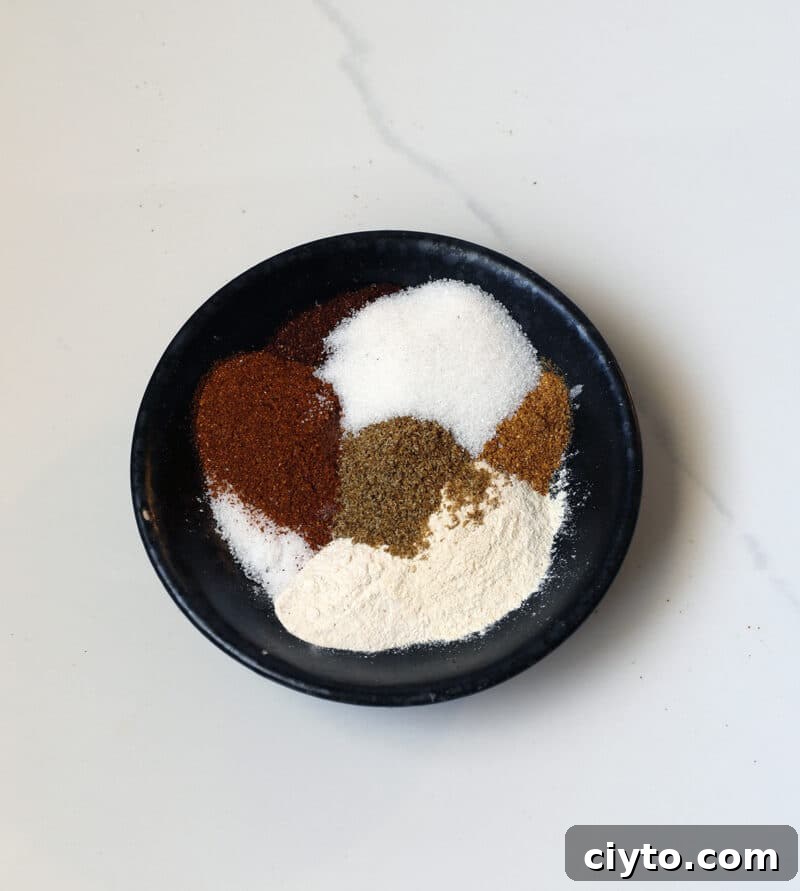
The Making of this Homemade Fajita Seasoning
One evening I ran out of pre-made fajita mix and decided to build my own from spices I already had in the pantry. I left out cornstarch because I planned to use the seasoning for a sautéed chicken fajita rice bowl—cornstarch can sometimes form clumps or create a slightly gluey coating that my family doesn’t prefer. The result was flavorful, balanced, and easy to tweak for heat, smokiness, or sweetness.
Making your own fajita seasoning is straightforward and gives you control over freshness, salt level, and spice intensity. It also costs less in the long run if you already keep basic spices on hand. Below are clear steps, ingredient notes, and practical tips to help you prepare, adjust, and store this versatile spice blend.
Why You Will Love Homemade Fajita Seasoning
- Customize the Flavor: Easily increase cayenne for heat, add smoked paprika for a smoky tone, or reduce salt to suit dietary needs.
- Freshness: Homemade blends use recently opened spices, which deliver more vibrant flavor than long-sitting commercial packets.
- No Additives: You control every ingredient—no anti-caking agents, preservatives, or unexpected fillers.
- Cost Effective: Buying spices in jars is generally cheaper per use than many proprietary seasoning packets.
- Simple to Make: No special tools required—just measuring spoons and a small bowl to combine the spices.
- Healthier Option: Adjust salt and sugar amounts to meet your nutritional goals.
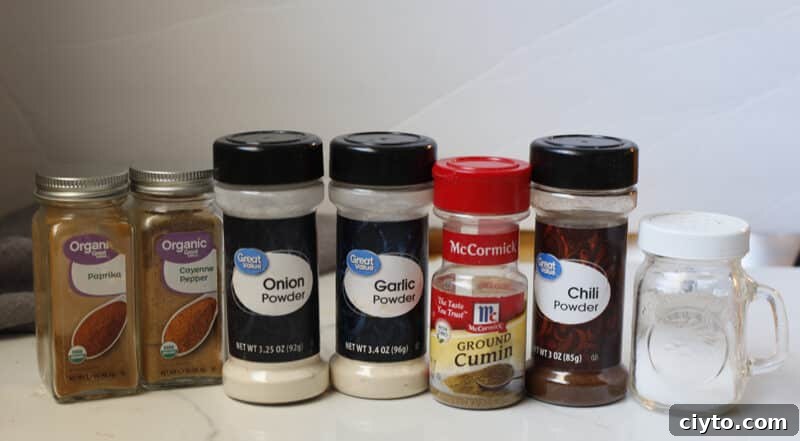
What is Fajita Seasoning Made Of?
- Paprika — Adds color and mild sweetness.
- Cayenne Pepper — Provides heat; reduce for milder blends.
- Garlic Powder — For a savory, aromatic base.
- Onion Powder — Adds depth and subtle sweetness.
- Ground Cumin — Brings warm, earthy notes characteristic of fajita seasoning.
- Chili Powder — Gives overall warmth and complexity.
- Salt — Enhances all flavors; adjust to taste.
- White Granulated Sugar — Balances acidity and heat; optional or reducible for lower sugar.
How to Make Homemade Fajita Seasoning
- Measure: Gather and measure all ingredients precisely for a consistent blend.
- Combine: Whisk or stir the spices in a small bowl until evenly distributed.
- Store: Transfer the seasoning to an airtight container and keep it in a cool, dry place away from direct light.
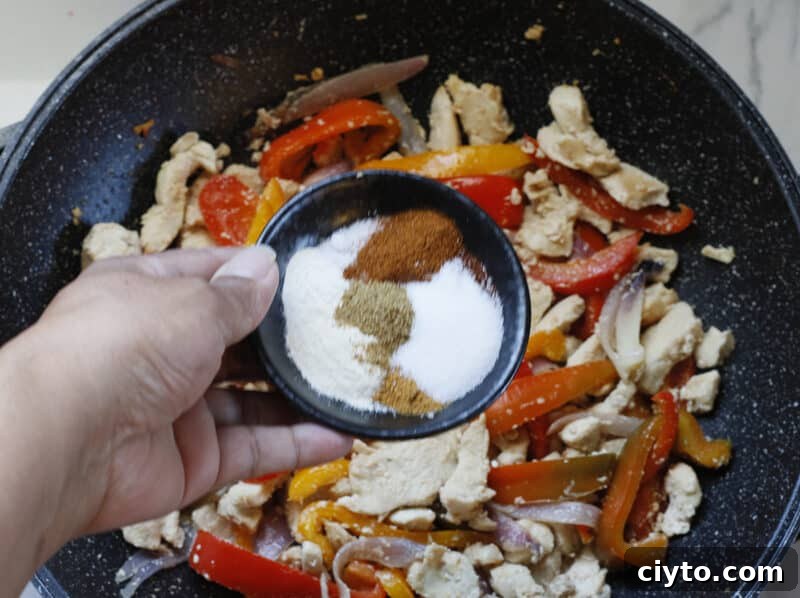
How to Use Your Fajita Seasoning
Using homemade fajita seasoning is quick and flexible. Here are simple guidelines and suggested proportions for typical uses.
For Meat
- Marinate: Use about 2 tablespoons of seasoning per 1–2 pounds of protein (chicken, beef, or shrimp) combined with a tablespoon or two of olive oil. Let sit for at least 30 minutes, or up to a few hours for deeper flavor.
- Cook: Sear or sauté the marinated meat in a hot skillet until fully cooked and nicely browned.
- Serve: Pair with warm tortillas and toppings such as sour cream, guacamole, salsa, or shredded cheese.
For Vegetables
- Toss: Coat sliced bell peppers, onions, zucchini, or mushrooms with the seasoning and a bit of oil.
- Sauté or Roast: Cook in a hot pan or roast in the oven until vegetables are tender and slightly charred.
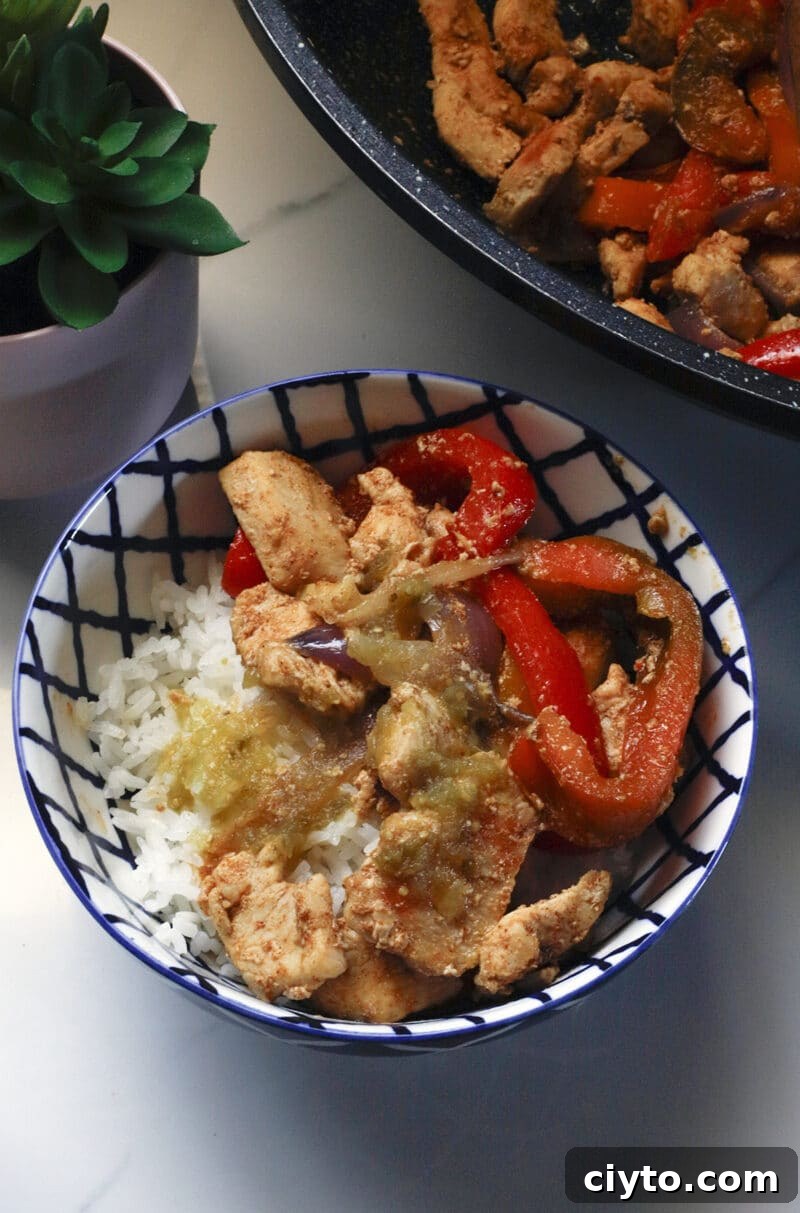
Chicken Fajita Rice Bowl
For a rice bowl, generously season both the chicken and vegetables before cooking. Once everything is cooked, arrange seasoned chicken and veggies on a bed of cooked rice. Finish with fresh lime, cilantro, or your preferred garnishes for a balanced meal.
- Cook rice and place in a bowl.
- Cook and season chicken with the homemade fajita seasoning.
- Top rice with the seasoned chicken, sautéed vegetables, and desired sauces or toppings.
Common Questions
Why is Cornstarch Sometimes Included?
Cornstarch is occasionally added to fajita seasoning for these reasons:
- Thickening: It can help thicken pan juices or sauces so they cling to meat and vegetables.
- Coating: A small amount can help the spice mix adhere to proteins, creating a more even crust.
- Texture: It can contribute to a lightly crispy exterior when meat is seared, though it may clump if not mixed properly.
Homemade Fajita Seasoning Recipe
Author: Shobee
Prep Time: 5 mins • Cook Time: 2 mins • Yields: About 3 tablespoons (enough for 1–2 lbs protein)
Equipment
- 1 small bowl
- Measuring spoons
- Airtight container for storage
Ingredients
- 2 tsp chili powder
- 1 tsp salt (adjust to taste)
- 1 tsp ground paprika
- 1 tsp white granulated sugar (optional)
- 1 tsp onion powder
- 1 tsp garlic powder
- 1/2 tsp ground cumin
- 1/4 tsp cayenne pepper (more or less to taste)
Instructions
- Prepare and measure all ingredients so you can combine them accurately.
- Mix the spices together in a small bowl until fully blended and uniform in color.
- Transfer the seasoning to a dry, sealed container and store at room temperature away from heat and direct light. Use within several months for best flavor.
Notes: Adjust cayenne and sugar to fine-tune heat and balance. For a smoky flavor, try substituting smoked paprika for part or all of the paprika. This blend works well beyond fajitas—use it to season roasted vegetables, grilled proteins, or as a quick taco rub.