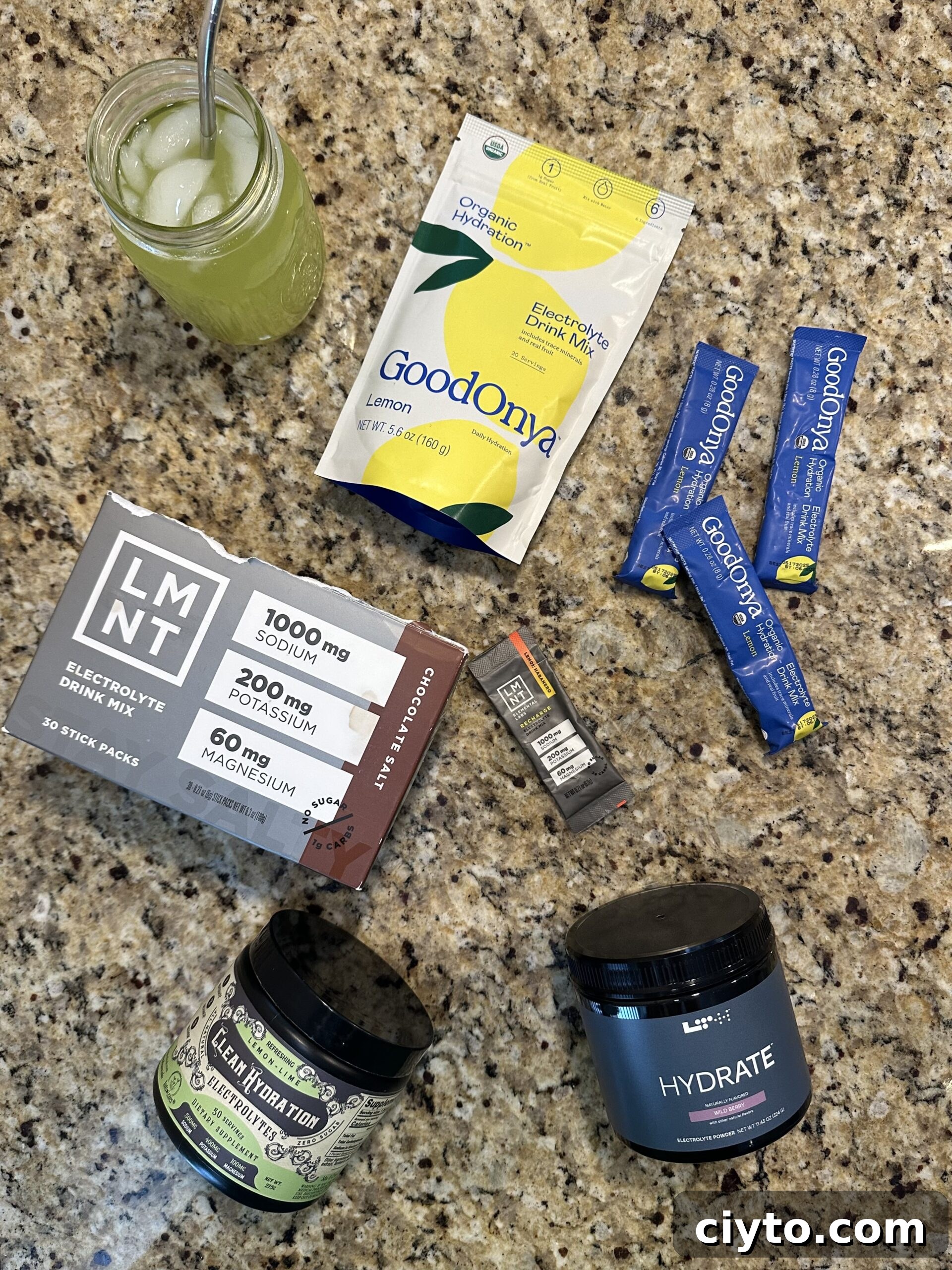
Electrolytes have become one of the most talked-about wellness trends of recent years. People are trying to optimize everything, including hydration, and while some view electrolyte drinks as a passing fad, there are solid reasons many individuals find them useful: hotter climates, less mineral-rich foods, increased stress and fatigue, and post-viral conditions like POTS have all increased demand for targeted mineral support.
On one level, electrolytes can feel like a trendy influencer-driven product. On another, they’re legitimately helpful for a wide range of people. Below, I’ve evaluated many brands and compiled the cleanest, most natural, and organic electrolyte options I’ve tried, plus a few I wouldn’t drink regularly.
Note: This information is educational and not medical advice. Talk with your healthcare provider before starting any supplement—especially if you have high blood pressure, kidney disease, heart failure, or are taking medications.
What this guide covers:
- Do You Really Need Electrolytes?
- What I Look For In The Cleanest Electrolyte Powders
- My Favorite Clean, Natural, & Organic Electrolyte Brands
- Roots & Leaves
- GoodOnYa
- Just Ingredients
- Pique
- LMNT
- LTH Hydrate
- Let’s Evaluate These Other Popular Electrolyte Drink Brands
- How to Make Your Own Homemade Electrolyte Drink
- Electrolyte Basics
- What Do Electrolytes Do?
- Symptoms of An Electrolyte Imbalance
Do You Really Need Electrolytes?
There’s a vocal group online that insists only elite athletes benefit from electrolytes. I disagree. While many people don’t need concentrated electrolyte formulas daily, a surprising number of conditions and lifestyles can make supplemental electrolytes useful, including:
- POTS, chronic fatigue, or other chronic illnesses
- Regular sauna or hot yoga users
- Jobs or activities that cause heavy sweating
- Prolonged stress that alters thirst and urine patterns
- Pregnancy (discuss with your clinician)
- Low-carb or ketogenic diets
- Living in extreme heat
- Poor dietary mineral intake
- Regular consumption of dehydrating drinks like alcohol or lots of caffeine
- Acute gastroenteritis (vomiting or diarrhea)
- Drinking large amounts of very-low-mineral water (e.g., reverse osmosis) without remineralization
That’s a lot of people who might benefit from electrolytes. I use them situationally, especially when training hard or sweating a lot—when I skip them, I usually notice the difference. Ultimately, whether you need electrolytes is a decision for you and your care team. What I can do here is highlight brands that use cleaner, more bioavailable ingredients and show options for making your own.
What I Look For In The Cleanest Electrolyte Powders
Low or No Added Sugar: Most people don’t need sugar for basic hydration; excess sugar can cause blood sugar swings, digestive upset, and dental issues.
Balanced Electrolyte Ratio: Needs vary, but a common everyday guideline is a sodium-to-potassium ratio around 2:1 to 3:1. Sodium amounts vary widely among brands—some are so low they barely qualify as electrolyte drinks, others are very high and intended only for heavy sweaters or specific medical needs.
Bioavailable Mineral Forms: Prefer magnesium citrate, glycinate, or malate over oxide; calcium citrate/malate over carbonate.
Avoid Poor Ingredients: Watch for artificial dyes, sucralose, acesulfame potassium, and other artificial sweeteners. Also be cautious about vague “natural flavors,” which can hide processing steps or additives.
Contaminant Testing: Brands that publish third-party testing for heavy metals and contaminants are preferred—salts and concentrated mineral sources can sometimes carry contaminants.
Certifications: USDA Organic, NSF Certified for Sport, or similar seals can add confidence, though they aren’t required.
Low Waste Packaging: Single-serve sticks are convenient for travel, but larger tubs reduce waste for daily use.
Common Questions: Anti-caking agents like silicon dioxide and calcium silicate are often used in powders. At typical food levels they’re not problematic for most people, but those seeking the cleanest possible options may prefer products without them. Citric acid is common and fine for most, but some prefer to avoid it; I note when brands add it.
My Favorite Clean, Natural, & Organic Electrolyte Brands
Roots & Leaves
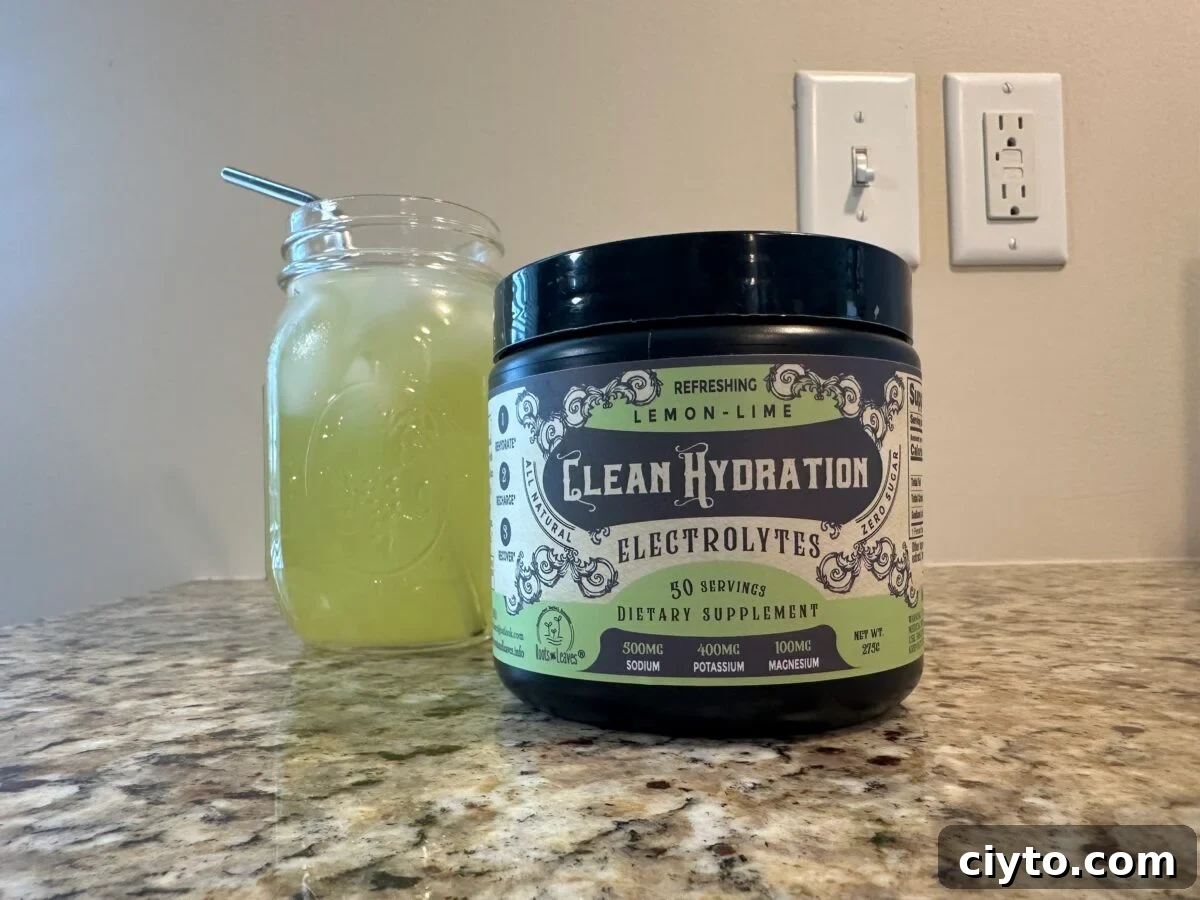
Standout: Zero calories, zero sugar, bold lemon-lime flavor.
Electrolytes: 500 mg sodium, 25 mg calcium, 100 mg magnesium, 400 mg potassium, plus 200 mg vitamin C.
Packaging: Tub with scoop (about 50 servings).
Flavors: Lemon Lime, Orange.
This formula uses Himalayan pink salt for sodium, real granulated lime and lemon juices, stevia leaf extract, turmeric, and spirulina—no added flavors or sugars. The taste is strong, so you can use half a scoop if you prefer a lighter profile. No added citric acid.
GoodOnYa
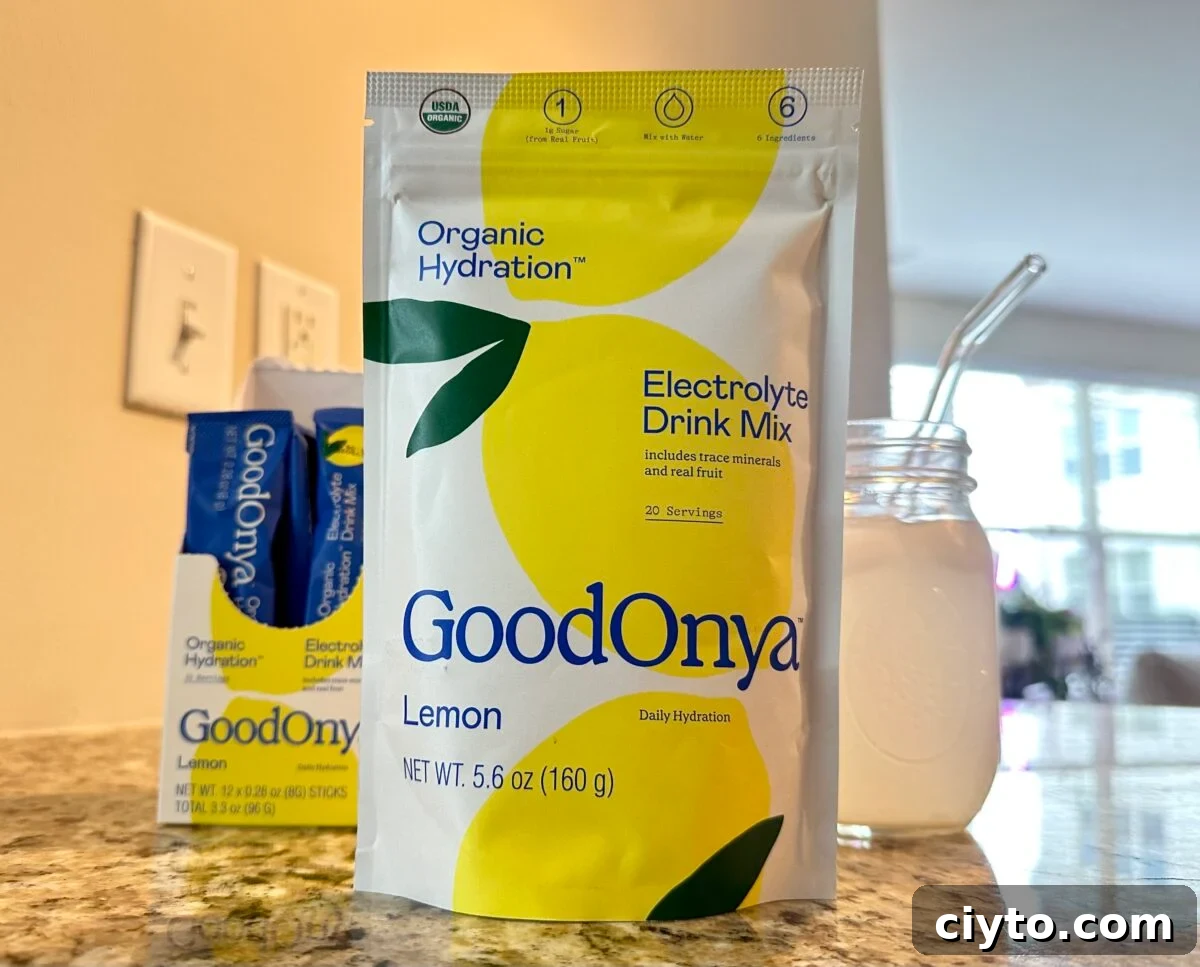
Standout: USDA Organic certification and a gentle electrolyte profile for everyday use.
Electrolytes: 25 mg sodium, 30 mg potassium, 62 mg magnesium, 16 mg vitamin C.
Packaging: Sticks or bulk bag.
Flavor: Lemonade (light and subtle).
Ingredients are minimal and organic: lemon juice, coconut water powder, stevia leaf, pink Himalayan salt, magnesium, and vitamin C. There’s about 1 g of sugar from fruit. The product is third-party tested for heavy metals (test results are not publicly posted). No added citric acid.
Just Ingredients
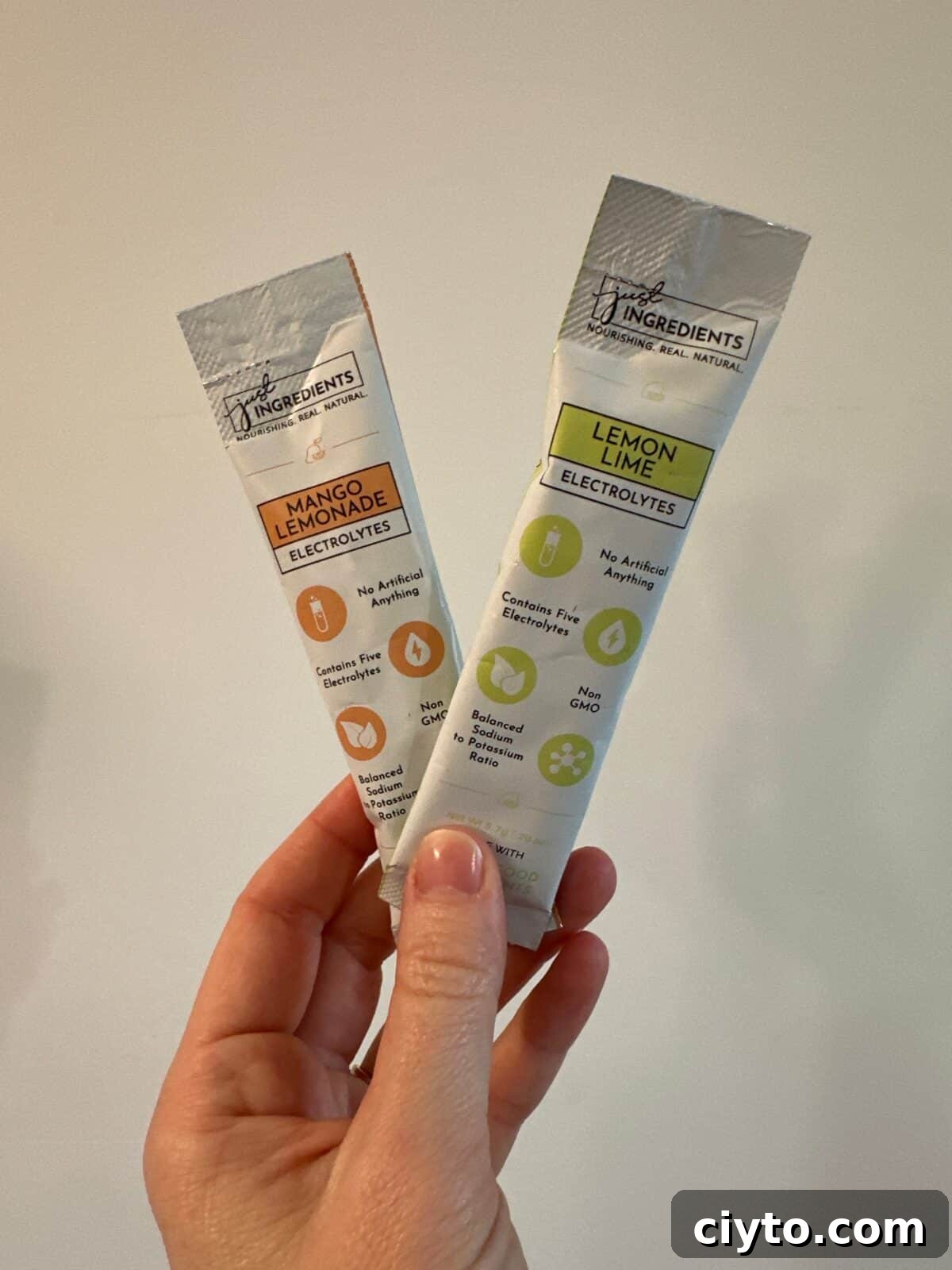
Standout: A wide range of natural fruit flavors.
Electrolytes: 300 mg potassium, 50 mg magnesium, 100 mg sodium, 145 mg chloride, 50 mg calcium.
Packaging: Sticks or bulk bag.
Flavors: Many, including Lemon Lime, Mango Lemonade, Raspberry Lemonade, and more.
Made with real fruit and organic ingredients where possible. Sweetened with stevia leaf and monk fruit; citric acid is sourced from cassava. Sugar content varies by flavor (1–6 g). They publish Certificates of Analysis for heavy metals on product pages. I use a small frother to speed dissolving.
Pique
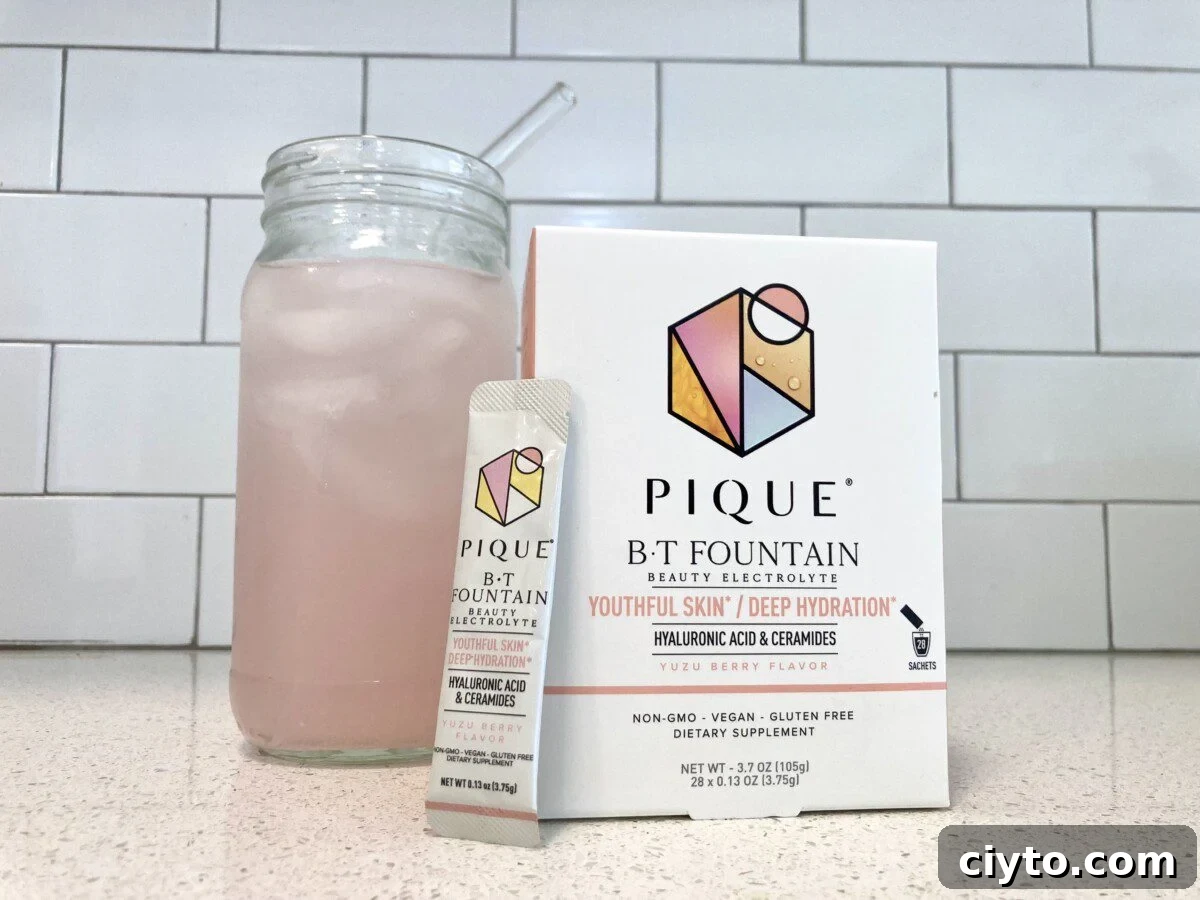
Standout: Focused on skin health as well as hydration.
Electrolytes: 150 mg sodium, 150 mg potassium, 100 mg magnesium, 30 mg calcium.
Packaging: Single-use sachets.
Flavor: Yuzu Berry (moderate).
This beauty-focused formula includes natural ceramides and hyaluronic acid to support skin moisture and elasticity. No added sugar, preservatives, or artificial ingredients, though it does contain natural flavors and citric acid.
LMNT
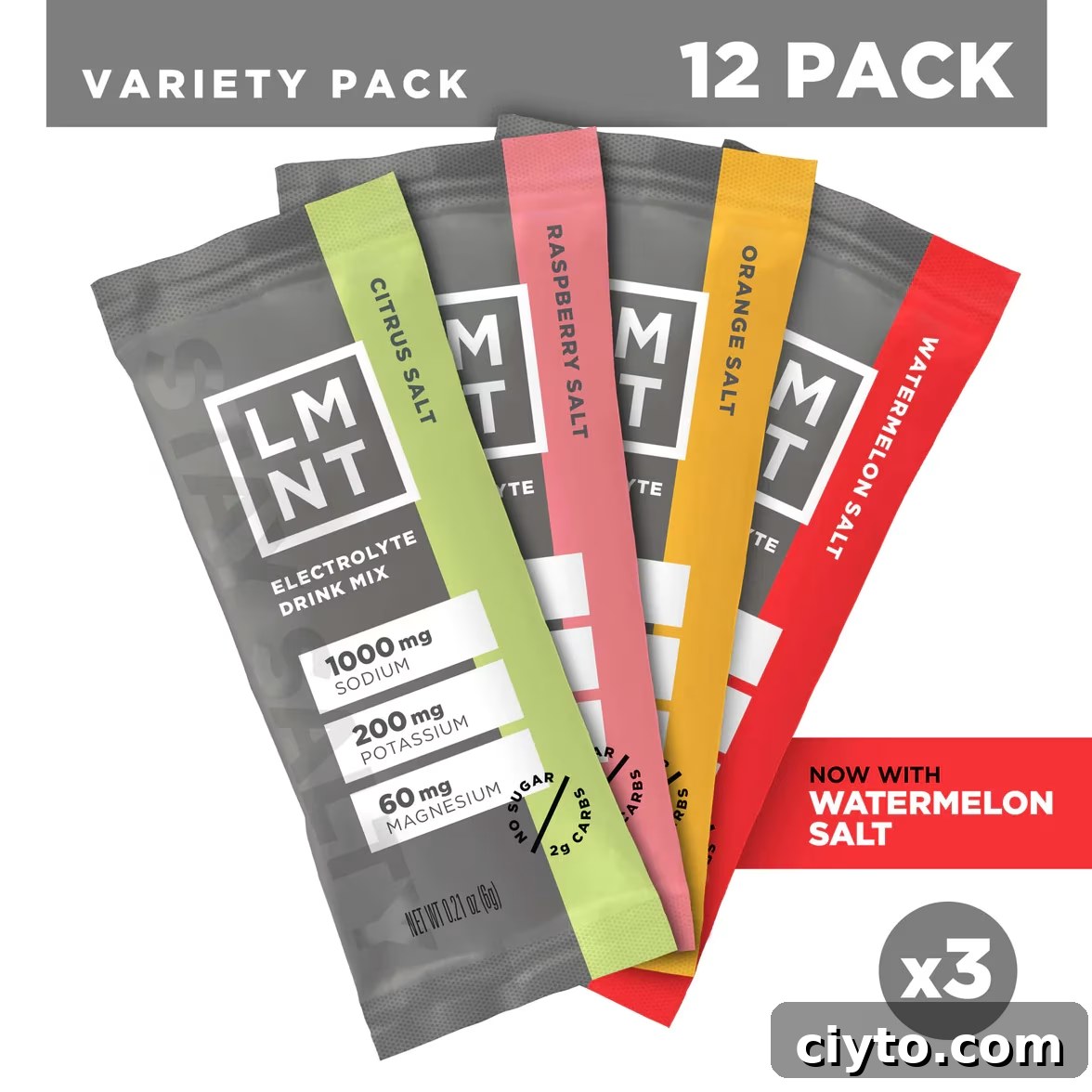
Standout: Dissolves well and is widely known.
Electrolytes: 1000 mg sodium, 200 mg potassium, 60 mg magnesium (note: sodium is very high).
Packaging: Single-stick packets.
Flavor: Very strong and notably salty.
LMNT is a clean product overall, but the sodium content is on the high end—appropriate for heavy sweaters or specific clinical needs, not for daily low-intensity use for most people. They offer unflavored options if you want to avoid extra flavorings. Contains citric acid.
LTH Hydrate
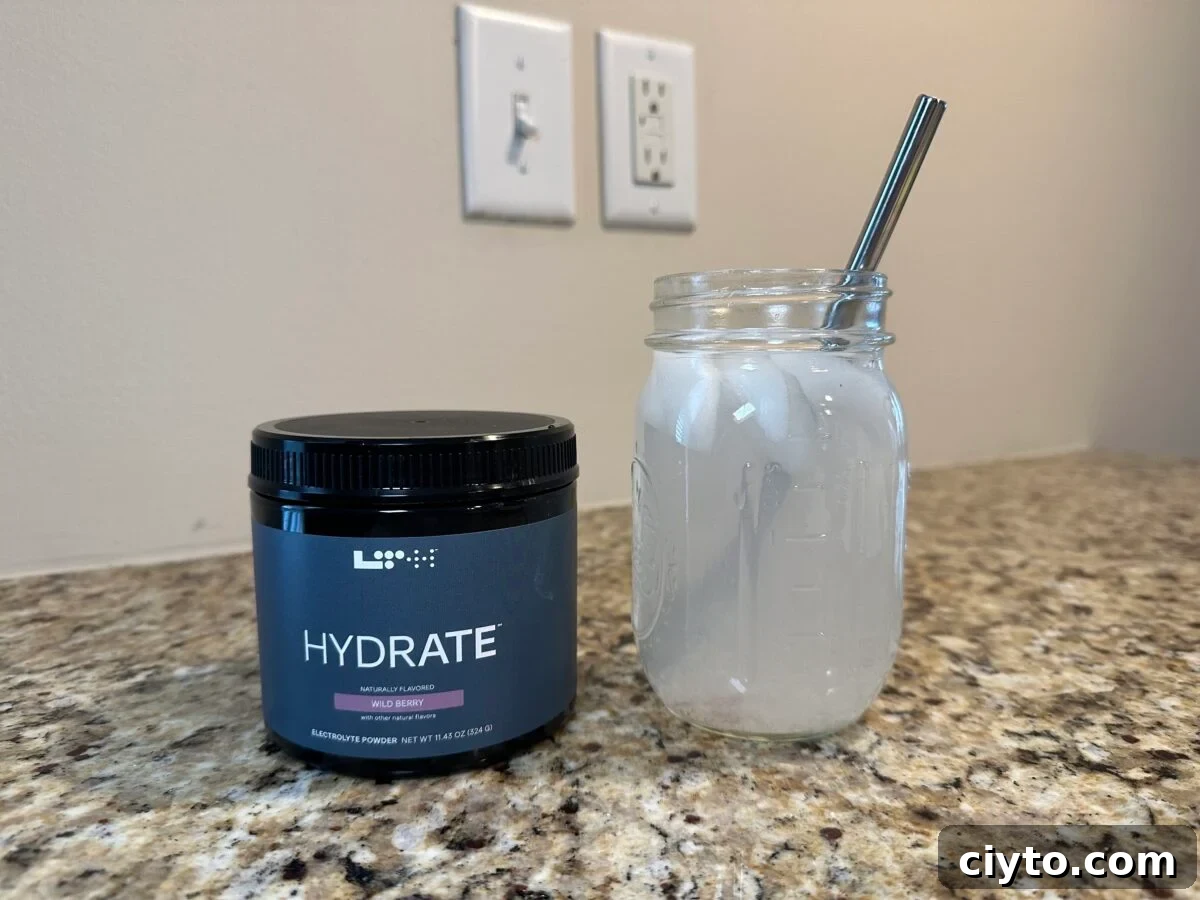
Electrolytes: 720 mg sodium, 390 mg potassium, 1160 mg chloride, 45 mg magnesium.
Packaging: Single-serve packets or bulk tubs.
Flavors: Multiple, including Wild Berry and Lemon Lime.
Powered by a well-regarded unrefined salt source, this formula strikes a moderate-to-high sodium balance and dissolves well. It contains natural flavors and citric acid.
Let’s Evaluate These Other Popular Electrolyte Drink Brands
Below are brief notes on other recognizable brands and what stands out ingredient-wise:
- Baja Gold Salt Co.: Pure unrefined salt—clean in ingredients but not a complete electrolyte formula (low potassium and calcium).
- Bioathletic: Lower mineral levels; includes pre- and probiotics and is USDA Organic.
- BUBS: Tastes good but contains cane sugar (about 7 g added), so not ideal for sugar-free goals.
- Buoy: Liquid drops rather than powder; includes proprietary blends and cassava-sourced citric acid; publishes third-party testing.
- Cure: Coconut-water base, monk fruit sweetener, organic flavors—good grab-and-go option with some useful certifications.
- Gatorade: High in sugar and lacks magnesium, calcium, and chloride; includes dyes and processed additives—best reserved for limited situations.
- Liquid IV: Many mainstream formulas are high in added sugars and lack magnesium; a sugar-free version exists but overall the ingredient list is more processed.
- Mt. Capra: Minerals sourced from grass-fed goat whey; very whole-food oriented but contains dairy and sugar.
- Nuun: Convenient tablets; contains dextrose and some less-bioavailable mineral forms.
- Paleovalley: Whole-food ingredients, minimal processing, moderate electrolyte amounts.
- Pedialyte: Effective for rehydration but some versions include sugar, artificial sweeteners, and flavors—review labels carefully.
- Re-Lyte (Redmond): Clean salt sourcing; several product options available; contains natural flavors and cassava-derived citric acid.
- Salt of the Earth / Sote: Clean-leaning options with unflavored choices; sodium can be high in some mixes.
- Thorne: Reputable supplement brand; formulas include anti-caking agents and natural flavors.
- Ultima, Waterboy, Wellmade (Thrive Market): Generally lower mineral levels and some use natural flavors and citric acid; these are lighter hydration options.
How to Make Your Own Homemade Electrolyte Drink
If you prefer full control, making electrolytes at home is simple. You only need a sodium source, potassium, optional magnesium, and a little fruit or natural sweetener for taste. Here are a few easy recipes you can adapt:
1. Basic Everyday Electrolyte Drink
- 1–2 cups water
- Pinch of quality salt (Himalayan, Redmond, or sea salt)
- 1–2 tsp lemon or lime juice
- Optional: small squeeze of honey or maple syrup
- Optional: trace mineral drops for extra potassium/magnesium
Stir or shake until dissolved and adjust to taste.
2. Higher-Sodium Drink for Workouts or Hot Weather
- 1–2 cups water
- 1/8–1/4 tsp salt
- 2–3 tsp citrus juice
- 1–2 tsp honey or maple syrup
- Optional: splash of coconut water for potassium
3. Coconut Water Version (Naturally Higher in Potassium)
- 1/2 cup coconut water + 1/2 cup plain water
- Pinch of salt
- Squeeze of fresh lime
- Optional: trace mineral drops or magnesium powder
4. Sugar-Free Version
- 1–2 cups water
- 1/8 tsp salt
- 1–2 tsp lemon juice
- Tiny pinch of potassium chloride (NoSalt or Lite Salt)
- Optional: a drop of liquid stevia
Potassium chloride is commonly used by brands to balance sodium and potassium. Use small amounts and adjust to taste.
Tips: Start small and adjust—taste can guide you. Use real citrus for flavor and trace minerals. Cold drinks often taste better.
Electrolyte Basics
Here are the essentials to know before using electrolyte products regularly:
What Do Electrolytes Do?
Electrolytes—sodium, potassium, magnesium, and calcium—are charged minerals that enable key body functions:
- Hydration: Sodium and potassium regulate fluid balance in and around cells.
- Muscle function: Magnesium and calcium support contraction and relaxation.
- Nerve signaling: Electrolytes help transmit signals between brain and body.
- Blood pressure: Sodium and potassium influence fluid volume in blood vessels.
- pH balance: Electrolytes help maintain acid–base balance for healthy cellular function.
Symptoms of An Electrolyte Imbalance
Imbalances—too high or too low—can affect muscles, nerves, and heart rhythm. Common symptoms include fatigue, headache, muscle cramps, weakness, dizziness, nausea, confusion, irritability, and irregular heartbeat. Severe sodium or potassium disturbances can be dangerous and require urgent care. Common triggers include heat illness, vomiting/diarrhea, certain medications, kidney problems, and heavy sweating.
I hope this guide helps you choose a clean electrolyte option that suits your needs. Share which brands you like best or what questions you have!