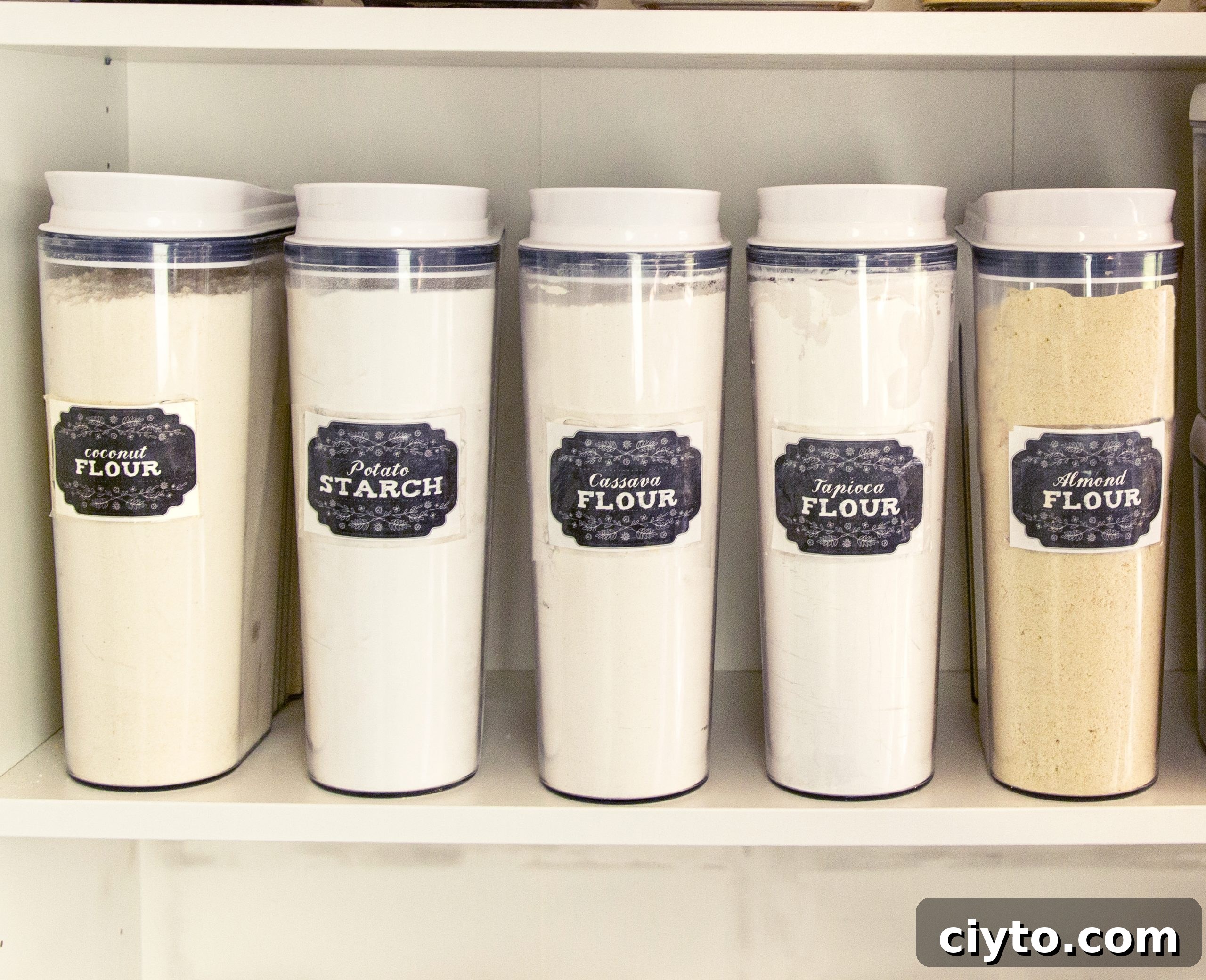
When we switched to Paleo as a family, I wish someone had given me a simple Paleo Pantry 101 focused on flours. It felt like learning a new language: unfamiliar products, confusing textures, and baking that didn’t behave like I expected. To help other home cooks, here’s a clear, practical guide to the most common Paleo flours—what they are, how they behave, and when to use each one.
The key thing to know is there’s no single Paleo flour that swaps 1:1 for all-purpose wheat flour. Each option has different absorbency, texture, and flavor. Once you understand those differences, you can mix and match flours to get the results you want.
Paleo Pantry 101: Flours – Almond Flour
WHAT IT IS
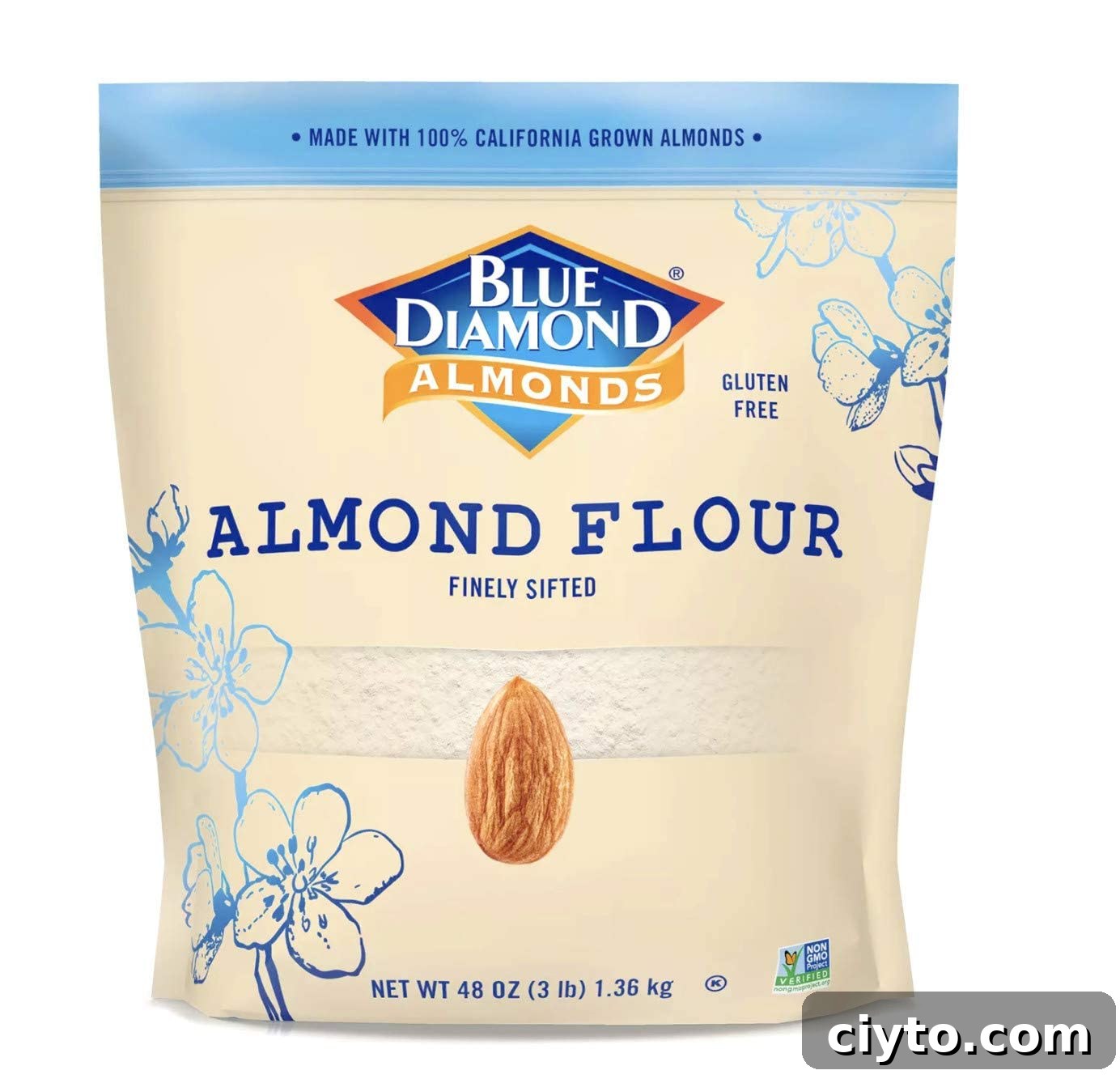
Almond flour is finely ground blanched almonds. Almond meal is similar but usually coarser; for most baking I recommend using a super-fine almond flour rather than meal to avoid a gritty texture.
PREFERRED BRAND
I favor a super-fine almond flour for the best texture in cakes and cookies. A finely ground product yields lighter, more uniform results than coarse almond meal.
HOW TO USE ALMOND FLOUR
Great for:
- Breadcrumb or panko substitutes—its coarse texture makes it ideal for breading chicken and fish.
- Crumb toppings and streusels where a nutty, slightly coarse texture works well.
- Adding bulk and richness to baked goods when combined with a lighter, more elastic flour such as tapioca.
Not great for:
- Thickening sauces—almond flour does not create a smooth, stable sauce texture.
Paleo Pantry 101: Flours – Coconut Flour
WHAT IT IS
Coconut flour is made from dried, finely ground coconut meat. It is extremely absorbent and naturally slightly sweet.
PREFERRED BRAND
Most brands perform similarly; many people buy coconut flour from bulk bins or larger retailers. The key is a consistent, finely ground product.
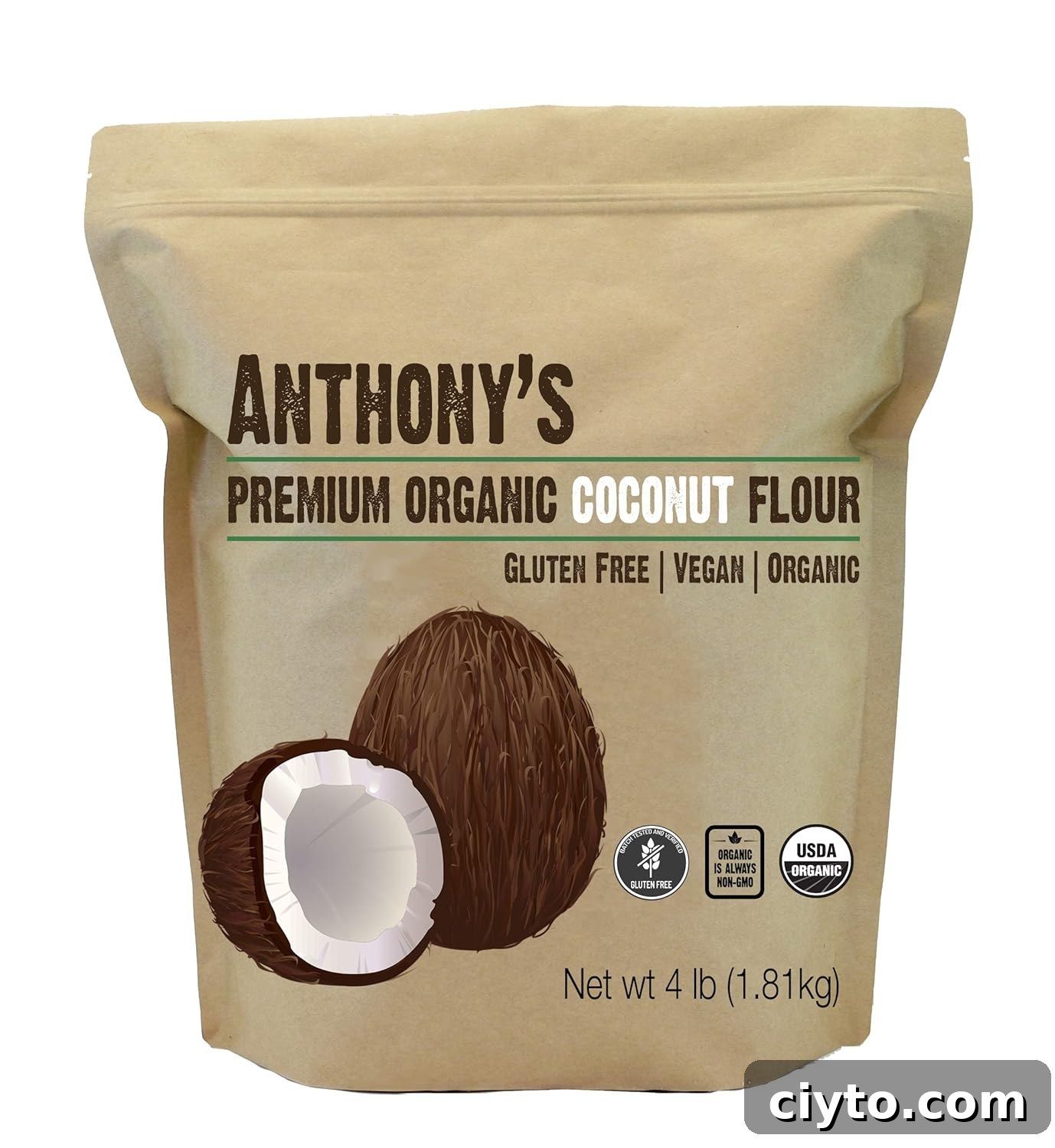
HOW TO USE COCONUT FLOUR
Great for:
- Adding structure and bulk to baked goods because it soaks up moisture—usually used in small amounts combined with other flours.
- Mimicking cornbread texture in specific recipes where its absorbency and flavor match the profile you’re after.
Not great for:
- Breading, which can end up sandy or dry if coconut flour is used alone.
- Sauce thickening—its absorbency and texture don’t produce smooth gravy-like results.
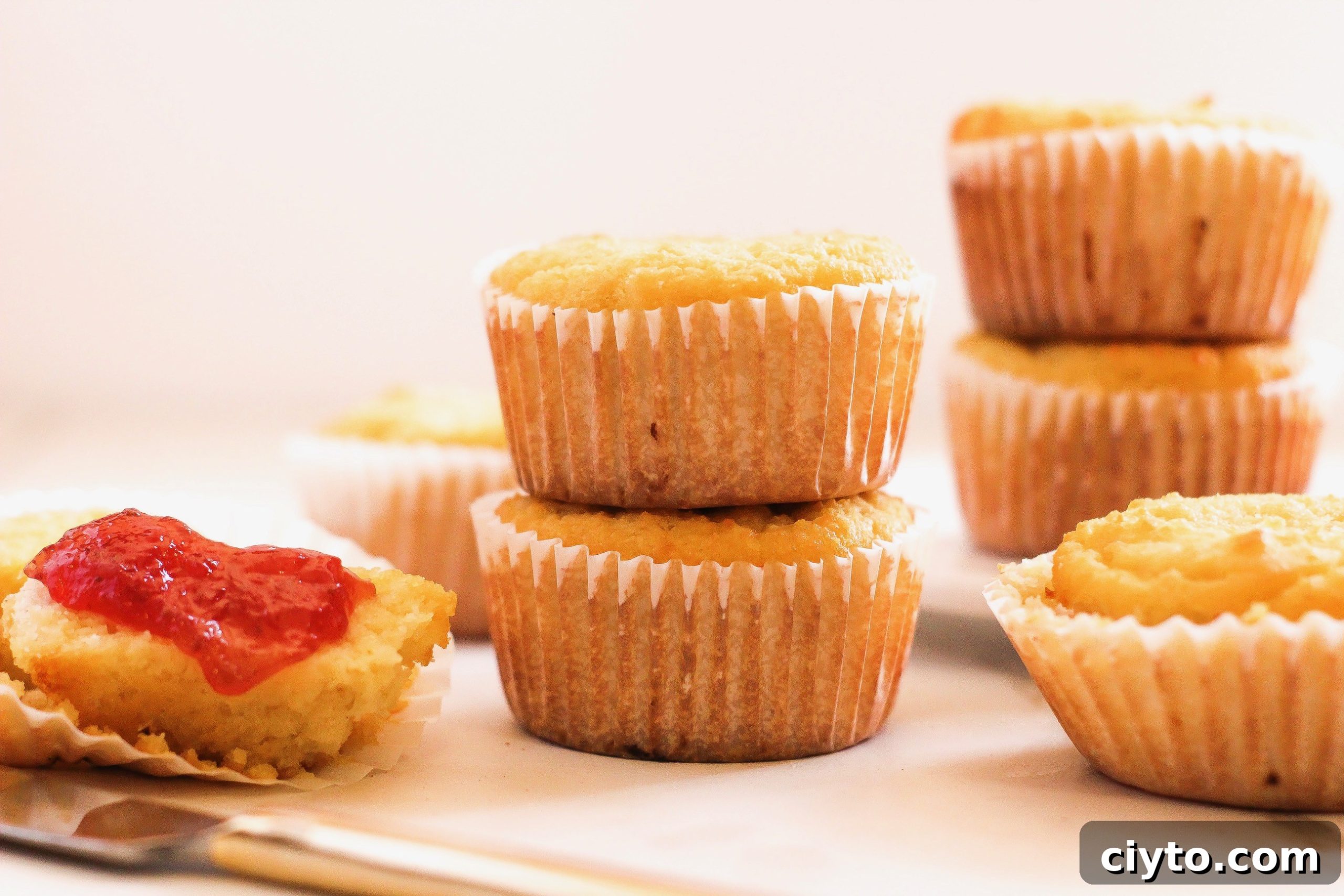
Paleo Pantry 101: Flours – Cassava Flour
WHAT IT IS
Cassava flour is produced from the whole cassava (yuca) root. It’s white and dense in texture and naturally grain-free and nut-free, making it a popular choice for nut-free Paleo baking.
PREFERRED BRAND
Not all cassava flours perform the same. Some brands have noticeable flavor or different textures, so it’s worth trying a trusted brand until you find one that works for your recipes.
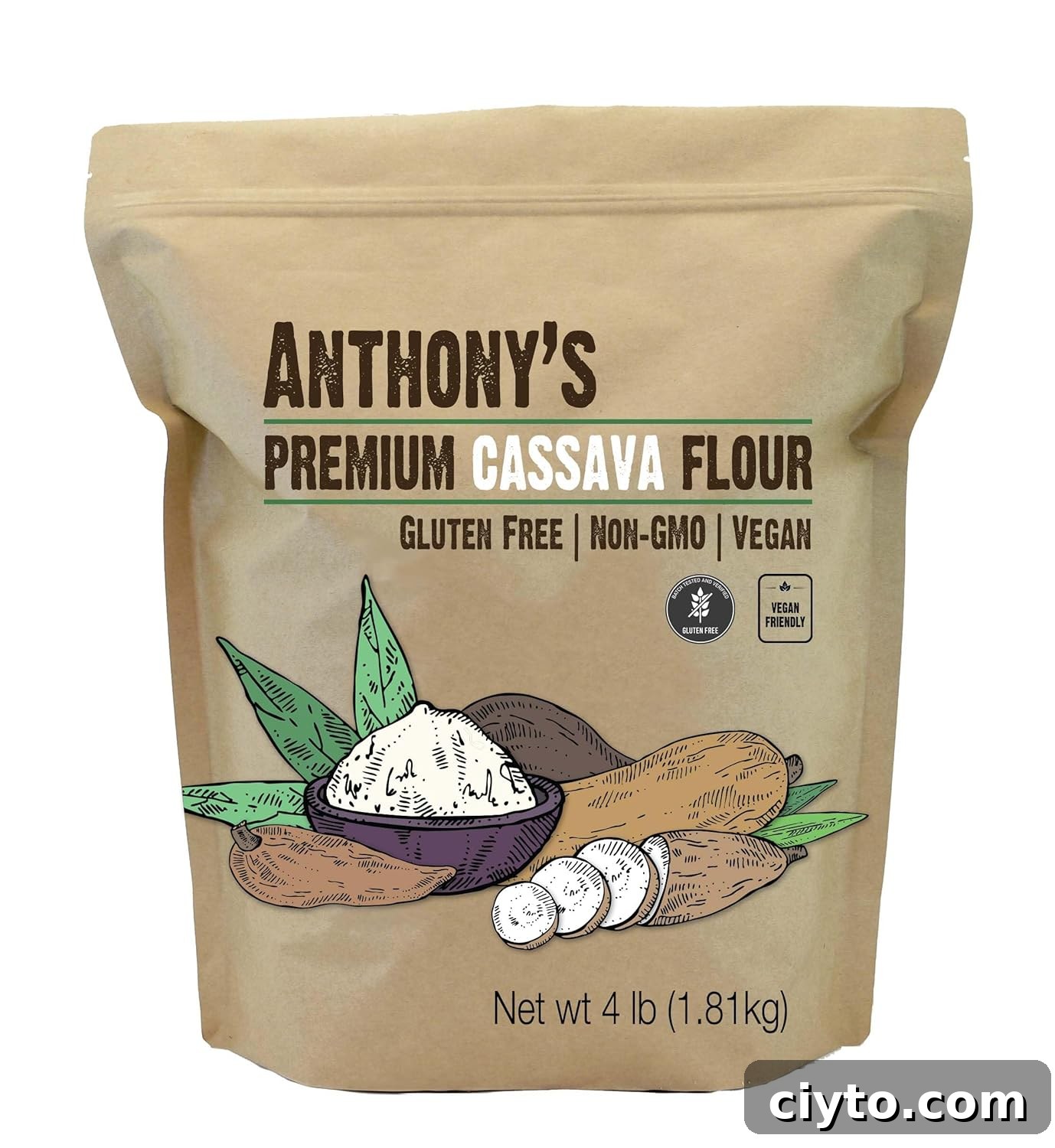
HOW TO USE CASSAVA FLOUR
Cassava flour can be dense and very absorbent, so it requires a bit of handling finesse. Always fluff cassava flour in its container and spoon it into measuring cups rather than scooping directly, which compacts it. When replacing wheat flour, start with about 75% of the volume and adjust based on batter consistency.
- When measured and blended carefully, cassava is the closest single-flour substitute for white flour and works well in many baked goods and for breading.
- It can also thicken sauces, though its dense nature means you may need to fine-tune amounts.
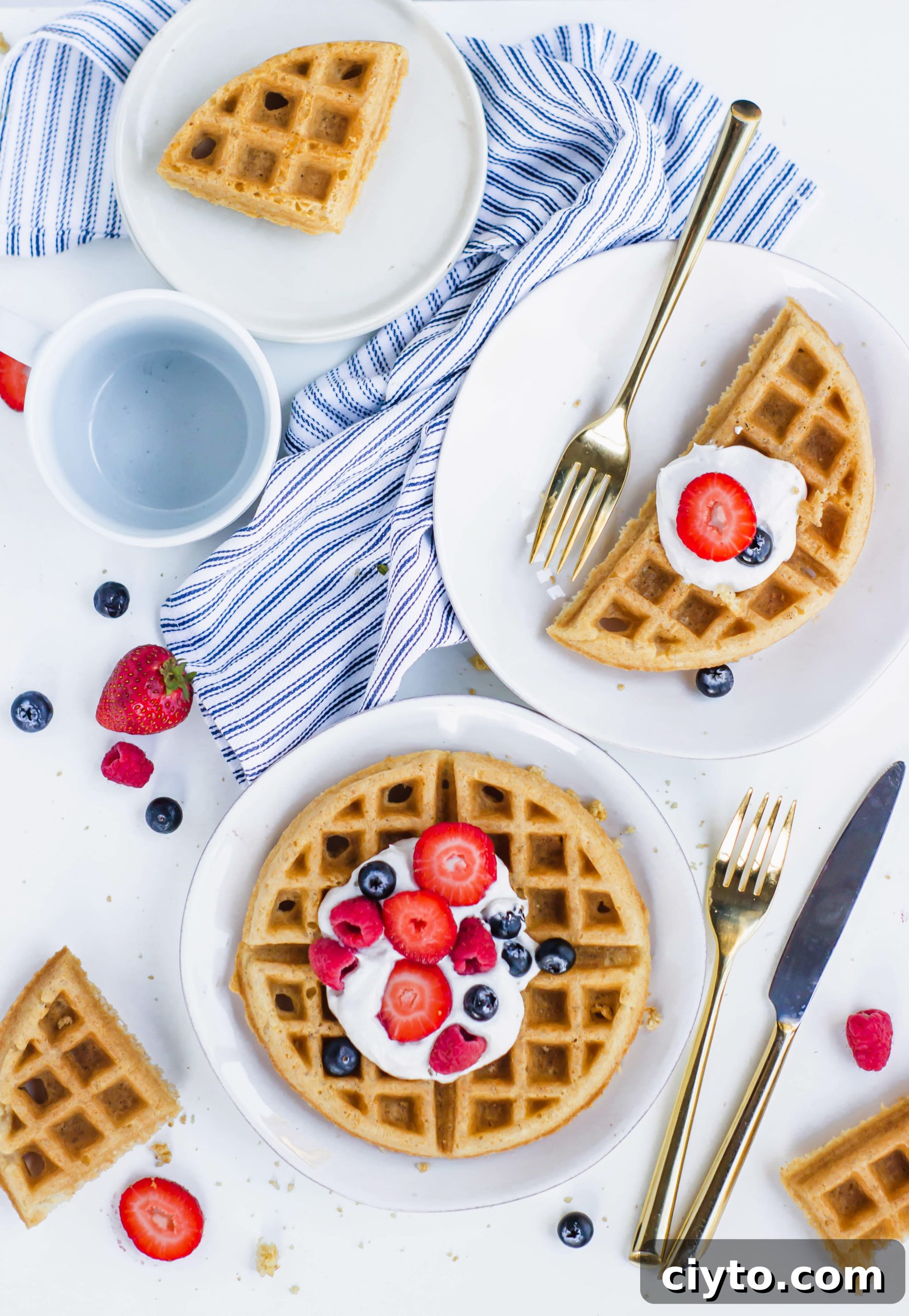
Paleo Pantry 101: Flours – Tapioca, Arrowroot, and Potato Starch
WHAT IT IS
Tapioca, arrowroot, and potato starch are all white, powdery starches used widely in gluten-free and Paleo cooking. They behave similarly in some situations but have distinct qualities:
- Tapioca comes from cassava but is processed differently and tends to give a slightly tacky, stretchy finish.
- Arrowroot is extracted from an arrowroot plant and generally produces a smooth, neutral finish.
- Potato starch is made from potato starch and yields a glossy, stable result when thickening.
PREFERRED BRAND
These starches are commonly available in grocery bulk bins and from pantry brands. Choose finely milled, pure products without additives for best results.
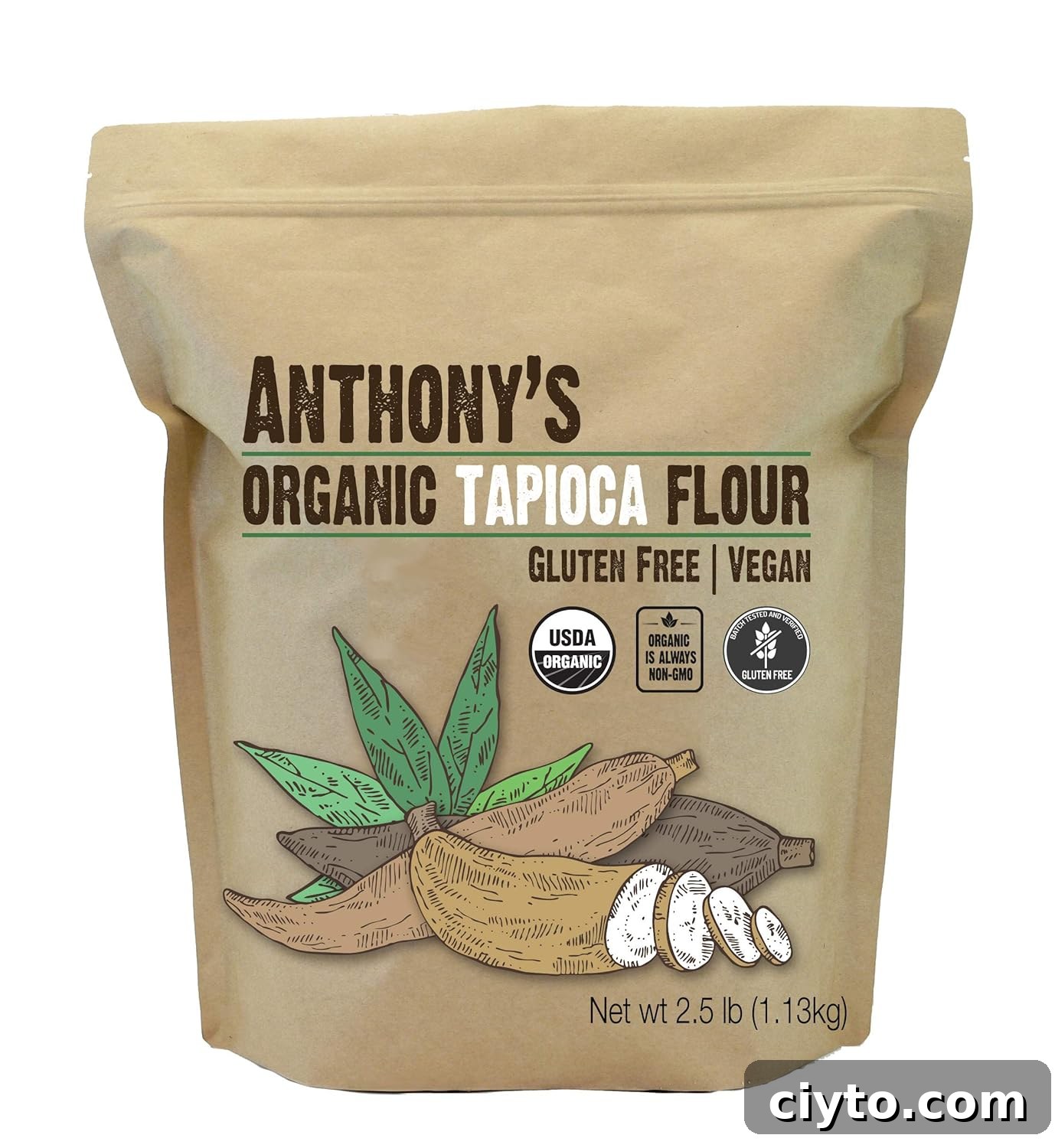
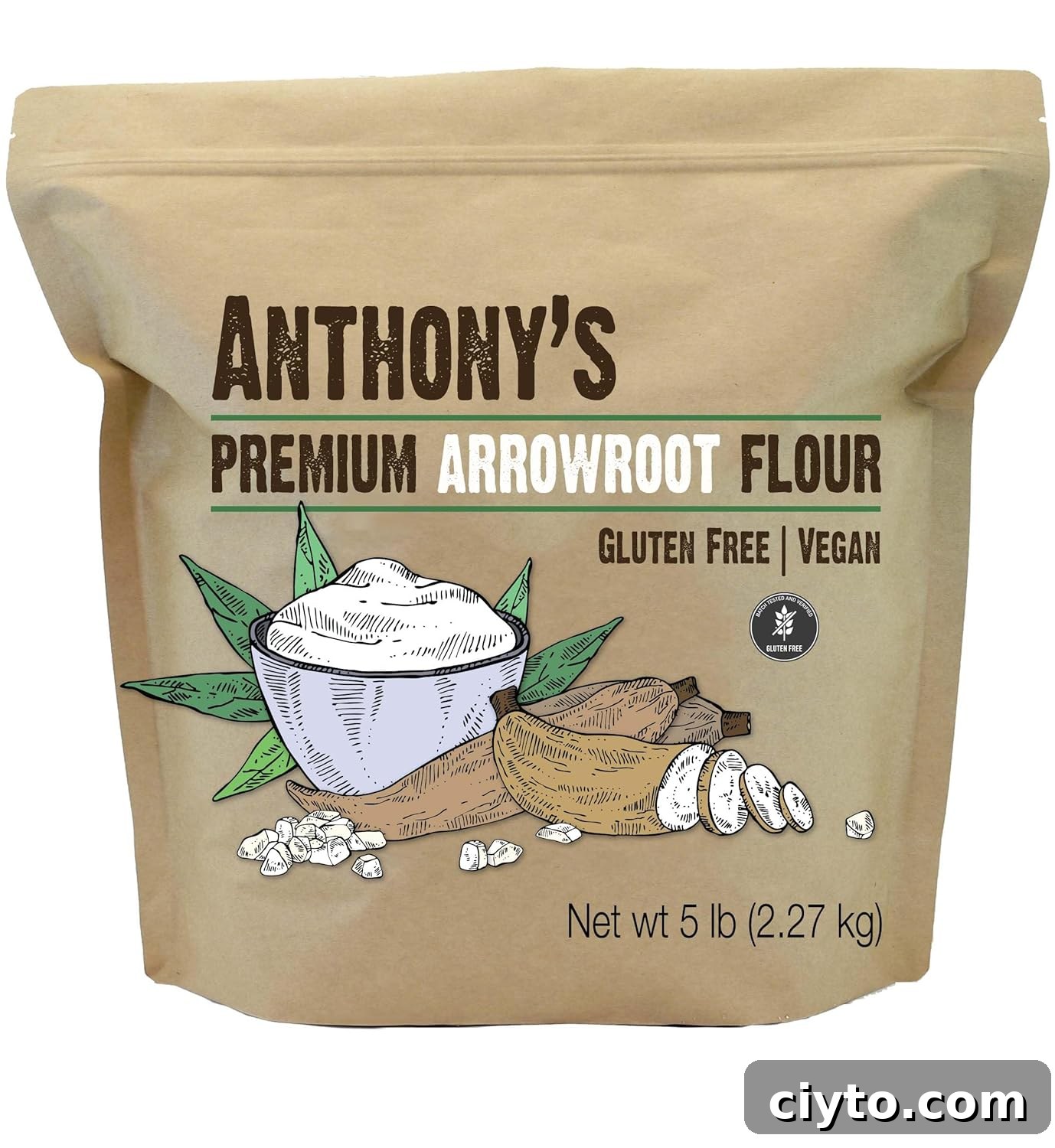
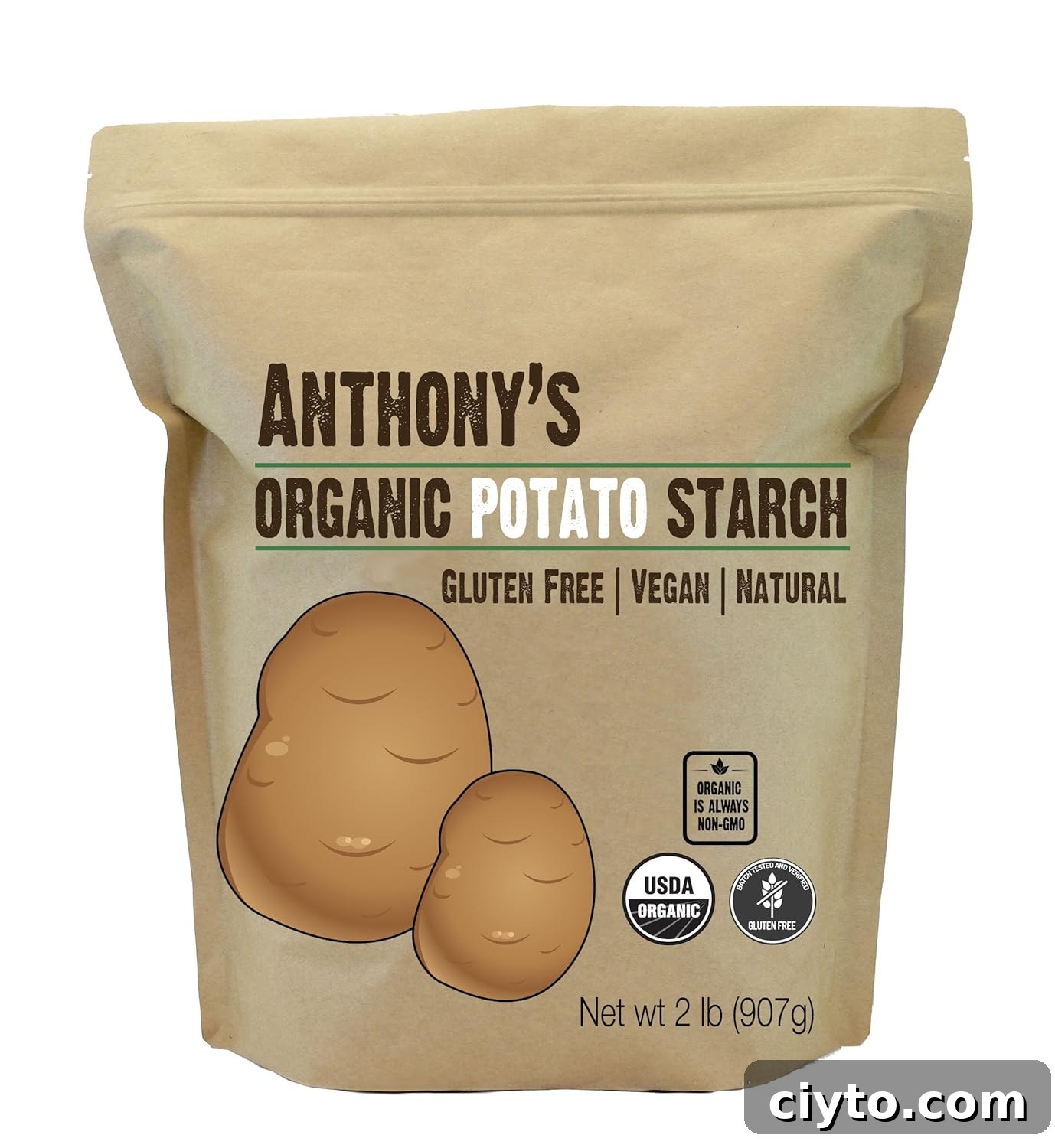
HOW TO USE THEM
These starches are versatile but choose based on desired texture:
- Thickening sauces: Arrowroot and potato starch give a smooth, neutral finish and are reliable substitutes for cornstarch. Tapioca can thicken but often produces a tacky or slightly glossy texture that’s better for stretchy, gooey sauces.
- Baked goods: All three can be used in baking when combined with other flours. Tapioca adds chewiness and stretch, which can help muffins or crepes—but too much can make a baked item gummy. Arrowroot and potato starch generally improve texture without gummy side effects.
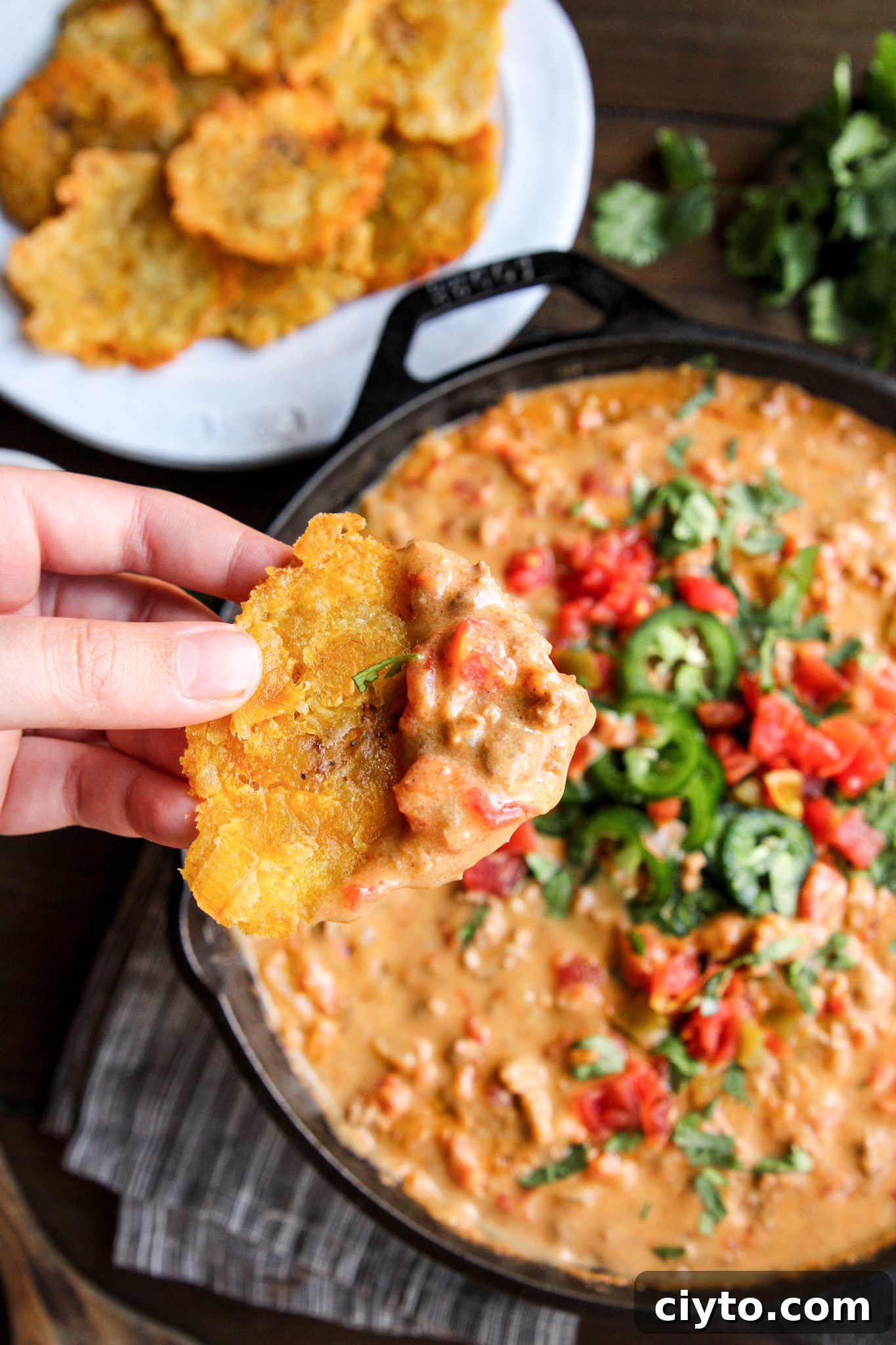
I hope this Paleo Pantry 101: Flours guide helps you choose and use Paleo flours with confidence. Understanding each flour’s texture, absorbency, and best uses will make gluten-free and grain-free baking much more predictable and delicious. If you’re experimenting, take notes on ratios and textures so you can refine recipes for consistently great results.