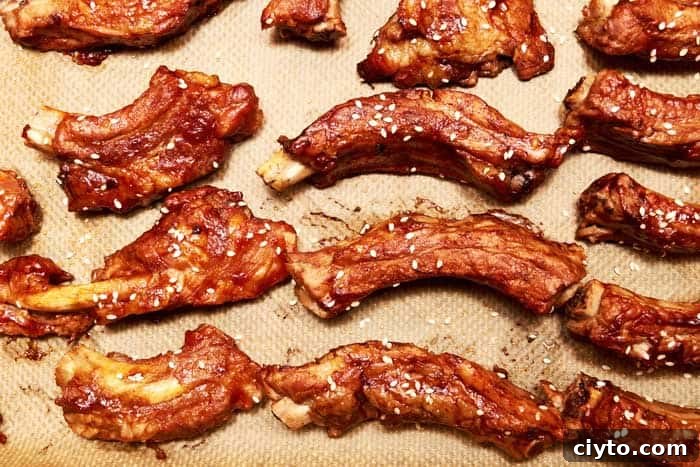
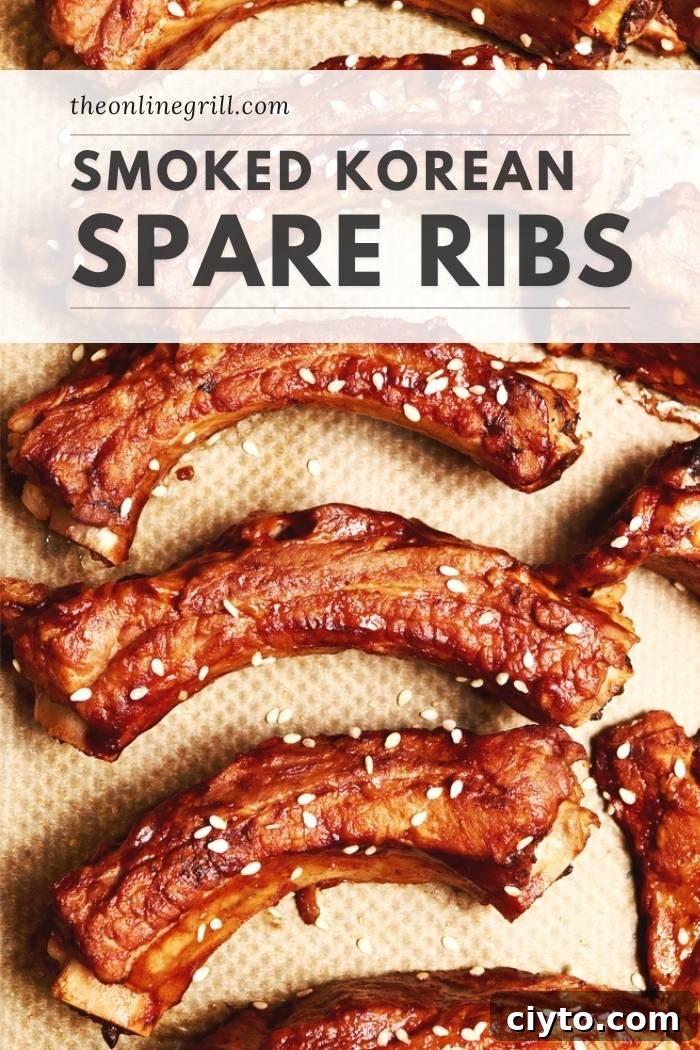
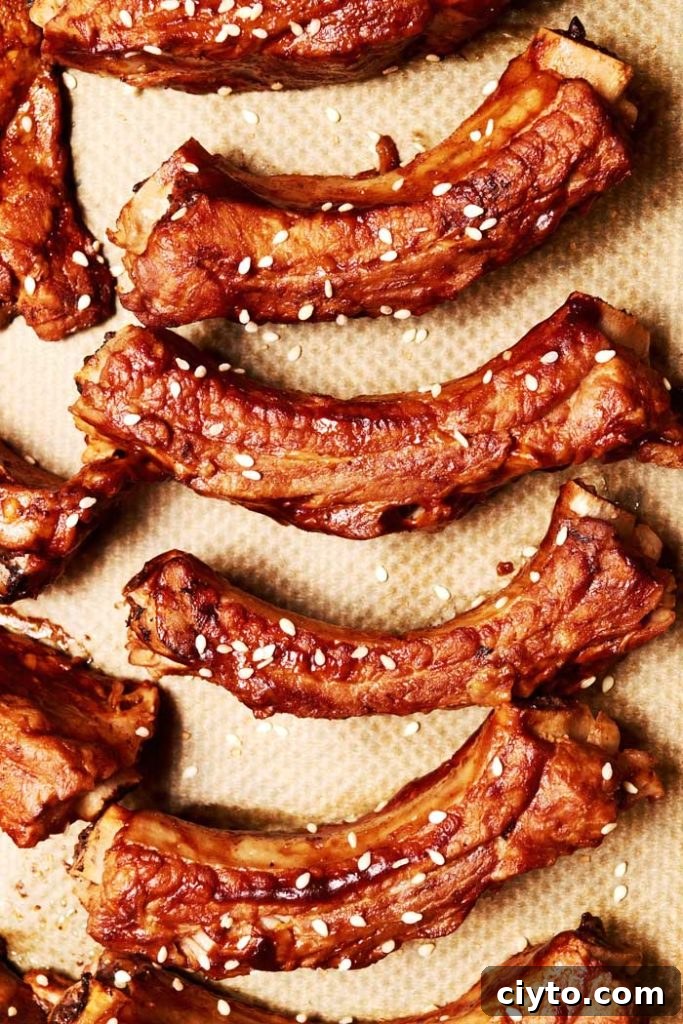
The best smoked Korean pork spare ribs—slow-smoked over applewood, wrapped with apple juice, and glazed with a gochujang-forward sauce. Tender, savory, slightly sweet and spicy, these ribs fall off the bone and deliver a bold, balanced barbecue experience.
- What is Daeji Galbi?
- Spare Ribs
- Gochujang
- Meat Prep
- Smoking Wood
- BBQ Smoked Korean Spare Ribs
Craving the best pork spare rib recipe? These Korean-style ribs, infused with gochujang and balanced with honey, hoisin and soy, make an ideal centerpiece for any barbecue. The combination of smoke, sweetness and umami creates a richly layered flavor that’s hard to beat.
If you enjoyed my Korean-style wings or smoked short ribs, these spare ribs are the next logical step—an Asian-inspired twist on American barbecue. The ribs get a long, gentle smoke, a short steam in foil with apple juice, and a sticky, glossy finish from the glaze.
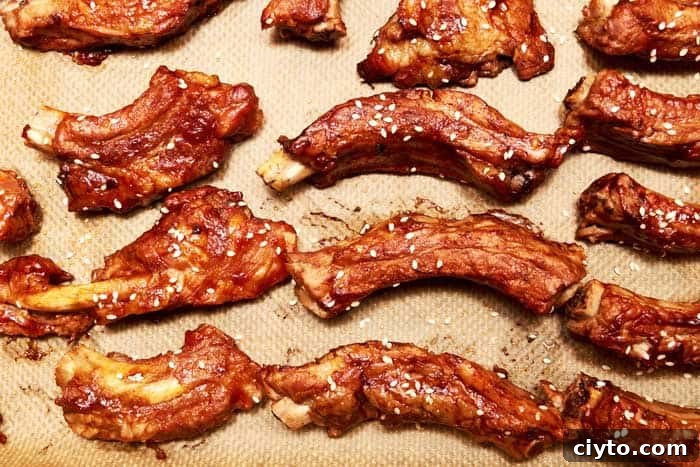
Key ingredients like gochujang, hoisin and soy sauce work together to build deep savory notes with a gentle heat and subtle sweetness. Honey and ketchup round out the glaze for shine and body, and a final garnish of sesame seeds and sliced scallions gives the ribs a classic Korean barbecue finish.
Below you’ll find everything you need to make these smoked Korean spare ribs at home, from ingredient notes and prep tips to a clear, step-by-step method.
What is Daeji Galbi?
Daeji galbi (also spelled daeji kalbi) refers to pork spare ribs in Korean cuisine. At Korean barbecue restaurants, these ribs are commonly marinated or brushed with savory, sweet and spicy sauces that include garlic, ginger, soy, and chili pastes like gochujang. Served with side dishes and noodles, daeji galbi is enjoyed for its bold flavors and satisfying texture.
Spare Ribs
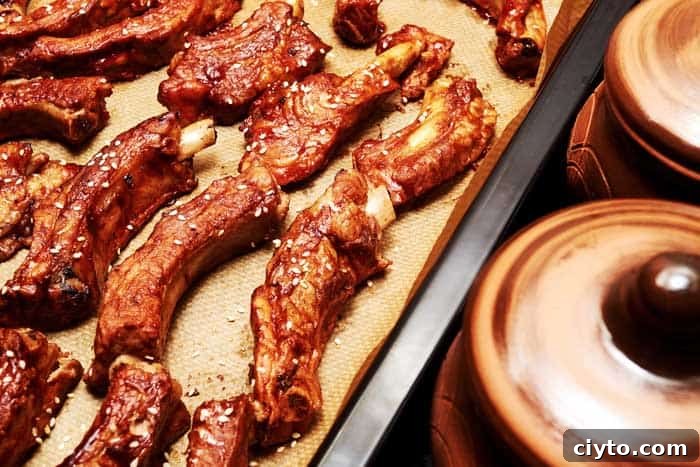
Pork spare ribs come from the lower rib section near the belly and are distinct from baby back ribs. Spare ribs are typically meatier and richer, with more connective tissue that benefits from low-and-slow cooking. That extra fat and collagen is what gives spare ribs their juicy, tender character after an extended smoke and a period wrapped in foil.
Gochujang
Gochujang is a fermented red chili paste central to many Korean dishes. Its base ingredients—chili flakes (gochugaru), fermented soybean, glutinous rice and salt—create a paste that is spicy, savory and slightly sweet. A little goes a long way: it brings depth and a distinctive red color to marinades and glazes without overpowering the other flavors.
Meat Prep
Proper trimming makes a big difference. Trim the rack ends, remove the silver membrane from the bone side if you prefer a more tender, melt-in-your-mouth texture, and take off large pockets of excess fat. Use a thin, sharp knife to lift a corner of the membrane and pull it away with a paper towel for grip. Trimming rib tips and any ragged edges will give a more even cook and a better presentation.
Smoking Wood
Pork pairs well with a range of woods. Fruitwoods like apple, cherry or peach provide a mild, sweet smoke that complements the glaze, while hickory or oak bring a stronger, savory smoke character. For these ribs, applewood is an excellent choice because it enhances the glaze’s fruit and honey notes without overpowering the gochujang.
BBQ Smoked Korean Spare Ribs
Equipment
- Smoker
- Apple wood chips
- Aluminum foil
Ingredients
- 2 racks pork spare ribs
- 1/2 cup apple juice
For the rub
- Kosher salt
- Ground black pepper
For the glaze
- 1/2 cup gochujang
- 1/4 cup hoisin sauce
- 1/4 cup ketchup
- 1/4 cup honey
- 1/4 cup soy sauce
- 1/4 cup Korean rice wine
For the garnish
- Sesame seeds
- 4 scallion greens, sliced diagonally
- Fresh ginger, finely grated
- 3 cloves garlic, finely grated
Instructions
- Preheat your smoker to 225°F and add applewood chips to the smoker box for a gentle, fruity smoke.
- Trim the rib racks: cut off the ends, remove the silver membrane on the bone side, and trim excess fat and rib tips for an even rack.
- Mix the rub (kosher salt and black pepper) and apply generously to both sides of the ribs, working the seasoning into any crevices.
- Place the ribs bone-side down on the smoker grates, close the lid and smoke for about 2 hours.
- While the ribs smoke, whisk together the glaze ingredients in a bowl: gochujang, hoisin, ketchup, honey, soy sauce, rice wine, grated ginger and garlic. Chill the glaze until ready to use.
- After 2 hours, remove the ribs from the smoker. Place each rack on a sheet of aluminum foil, pour about 1/4 cup apple juice over each rack, then wrap the foil tightly to form a sealed packet.
- Return the wrapped ribs to the smoker and cook for an additional 3 hours, allowing the meat to steam and the collagen to break down for tender results.
- Carefully unwrap the ribs and increase the smoker temperature to 300°F. Baste the ribs generously with the chilled glaze and return them to the smoker, unwrapped, for about 1 hour to set the glaze and develop a sticky finish.
- Test for doneness by checking that the meat has pulled back from the bone and is tender. When ready, remove from the smoker, let rest briefly, then slice and serve garnished with sesame seeds and sliced scallions.