Electric smokers have grown in popularity among backyard cooks and barbecue enthusiasts for one simple reason: convenience. These set-and-forget smokers use an electric heating element and a tray of wood chips to generate smoke, allowing you to focus on the food instead of tending a fire. That reliability makes them ideal for beginners, busy cooks, and anyone who wants consistent low-and-slow results without the effort of charcoal or wood-fired smokers. At the same time, they come with limitations—primarily in flavor intensity and maximum temperature—that are worth considering before you buy. This article looks at how electric smokers work, their advantages and drawbacks, and when they are the best choice.
In short: electric smokers are easy to use, affordable, and operate well in any weather, but they generally produce a milder smoke flavor and cannot reach the high temperatures needed for very crispy skins or certain barbecue techniques. They excel at long, low cooks and year-round use.
Key Points
- Very user-friendly and low maintenance compared with charcoal or wood smokers
- Work reliably in cold, windy, or restricted-fire conditions
- Affordable entry price and low ongoing fuel costs—only electricity and wood chips
- Best suited to low-and-slow smoking rather than high-heat searing or crisping
- Produce less intense smoke flavor and typically do not form a prominent smoke ring
- Quality varies by model; cheaper units can have durability or temperature-control issues
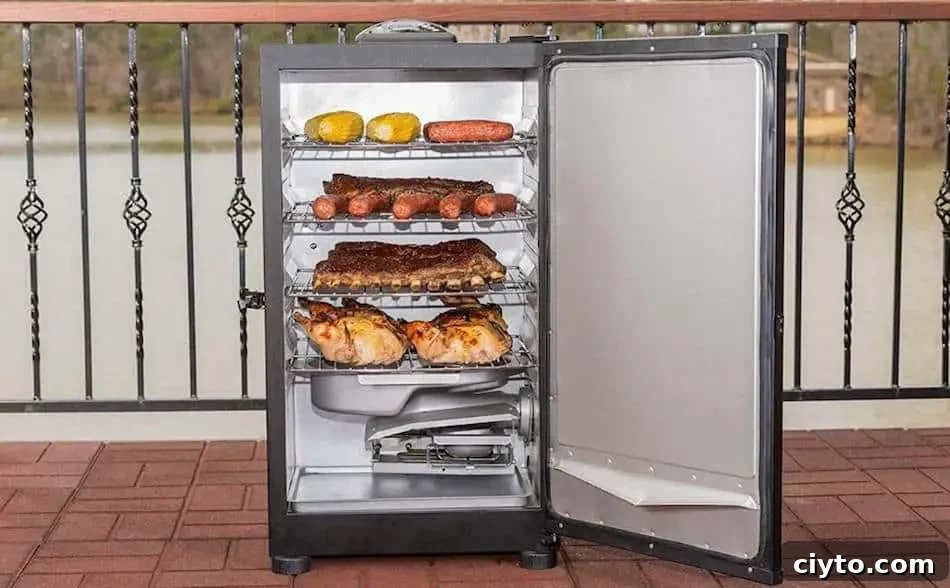
- Electric smokers use a heating element beneath a wood chip tray to smolder chips and create smoke
Pros and Cons of Electric Smokers
| Electric Smoker Pros | Electric Smoker Cons |
|---|---|
| Operate like an oven—simple temperature and timer controls. | Typically limited to about 275–300°F, so not ideal for very high-heat finishes. |
| Perform consistently in all weather and during local burn bans. | Milder smoke flavor compared with charcoal, wood, or pellet smokers. |
| Economical to run and inexpensive to fuel. | May require smoke-boosting accessories to increase smoke intensity. |
| Require minimal supervision—good for beginners. | Usually do not produce a pronounced smoke ring on meat. |
| Compact options are available for small spaces. | Lower-quality units can be prone to faults and need parts or replacement. |
How Do Electric Smokers Work?
- An electric heating element provides steady heat controlled by a thermostat or dial.
- Wood chips placed on a tray above the element smolder and generate smoke.
- Most models are designed for low-temperature smoking and reach around 275°F; higher-end models offer tighter thermostat control.
- They are generally economical to operate but draw significant power—make sure your outlet can handle the load.
Because the wood smolders rather than burns with open flame, electric smokers provide a gentle, consistent smoke that’s perfect for long cooks like brisket, pork shoulder, ribs, or slow-smoked poultry. If you need more smoke flavor, many users add a smoke tube or small smoker box to extend the smoke output.
Electric vs Charcoal Smokers
Charcoal smokers and wood burners often produce deeper, more complex flavors because they burn at higher temperatures and create different smoke chemistry. Electric smokers sacrifice some of that intensity for ease of use, consistent temperatures, and the ability to run in any weather. For many cooks, the trade-off is acceptable: you gain convenience and predictable results, even if the final flavor is less smoky than a well-run charcoal pit.
Electric vs Pellet Smokers
Both electric and pellet smokers offer set-and-forget convenience, but they differ in fuel and flavor. Pellet grills use an auger-fed hopper of wood pellets that both fuel and flavor the cook, often producing a stronger smoke profile than a simple electric with chips. Pellet units tend to be pricier and larger, while basic electric smokers remain the most budget-friendly option for reliable low-and-slow smoking.
The Smoke Ring and Electric Smokers
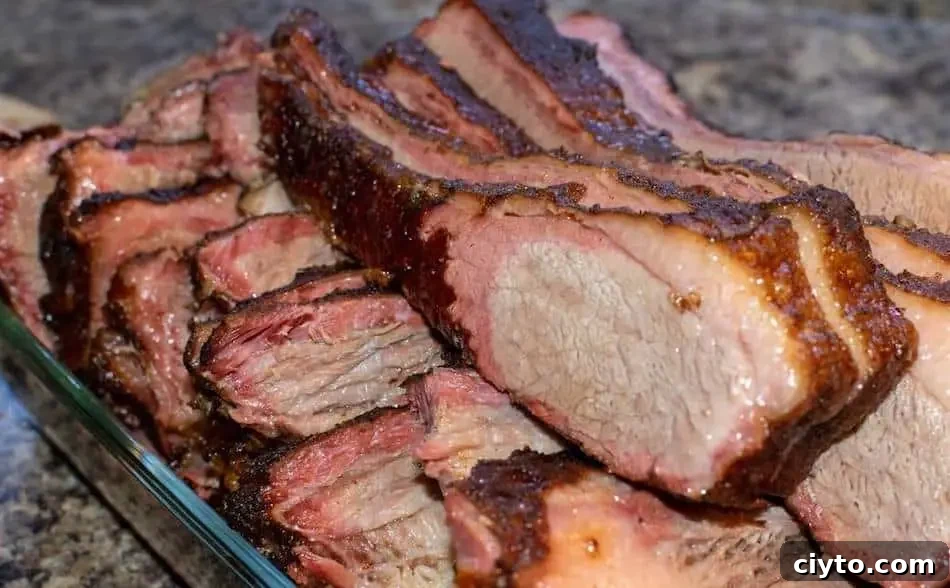
A smoke ring—the pink band just beneath the surface of smoked meat—is created by chemical reactions between meat myoglobin and combustion gases. Electric smokers usually produce less of this reaction because their wood smolders at lower temperatures and creates different gases than open flames. Some cooks experiment with small amounts of charcoal or other techniques to encourage a smoke ring, but results vary and typically won’t match those from charcoal or wood-fired smokers.
What Is a Smoke Ring?
The smoke ring is a pink layer created when certain gases from burning fuel react with the meat’s surface myoglobin, slowing its normal browning. While visually prized in barbecue culture, it does not directly increase flavor.
Can You Create a Smoke Ring on an Electric Smoker?
It’s possible to coax more smoke chemistry by adding a small amount of charcoal or using a smoke tube, but electric smokers rarely produce the thick smoke rings seen with traditional fire-powered smokers.
Smoking in Cold Weather
Electric smokers shine in winter. They maintain stable temperatures without the extra fuel consumption that charcoal or wood smokers often require in cold conditions. Because they don’t rely on open flames, they are easier to manage during windy or chilly weather.
What Foods Work Well in Electric Smokers?
Electric smokers are versatile. They smoke brisket, pork shoulder, ribs, whole poultry, fish, sausages, nuts, and even cheese. For poultry that needs crisp skin, many users finish the bird in a conventional oven or on a hot grill after smoking. Typical low-and-slow cooking times vary by cut and size; electric smokers are best for longer cooks that benefit from steady, gentle heat.
| Item | Estimated Cooking Time (hours) |
|---|---|
| Brisket | 12–16 |
| Pork butt | 8–10 |
| Ribs | 6–8 |
| Chicken | 4–6 |
| Turkey | 8–10 |
| Salmon | 2–4 |
| Sausages | 2–4 |
| Nuts | 2–4 |
| Cheese | 2–4 |
Safety, Placement, and Cleaning
Electric smokers must be used outdoors or in well-ventilated areas because they emit carbon monoxide like any smoker. Keep units protected from direct rain and place them on a stable, non-flammable surface. Clean the grease trap and racks regularly—every three to four cooks is a good rule—to prevent grease buildup and reduce fire risk. Remove ash and chip residue from the wood tray and clear any blocked grease outlets.
Design and Size Considerations
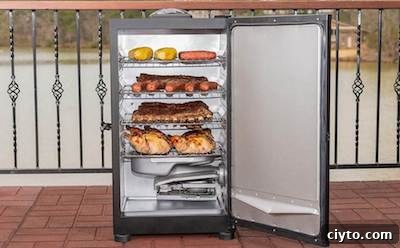
Most electric smokers are vertical cabinets with multiple racks and a door. They come in compact models for small patios and larger units for entertaining. Features to prioritize when buying include reliable temperature control, sufficient cooking capacity, sturdy construction, and simple cleaning access.
What to Look For When Buying
- Size and capacity for the amount of food you plan to cook.
- Precise temperature control and a dependable thermostat.
- Build quality and insulation for consistent performance.
- Ease of cleaning and maintenance.
- Price relative to features and brand reputation.
Popular Electric Smoker Brands
Common manufacturers include Masterbuilt, Cookshack, Smokin-it, SmokinTex, Landmann, and Old Smokey. Models range from budget-friendly options to higher-end commercial-grade units; choose based on how often and for what types of cooks you’ll be using the smoker.
Accessories and Tips
Many users enhance smoke flavor with a smoke tube or a dedicated smoker box filled with pellets or sawdust. A reliable dual-probe meat thermometer helps monitor both pit and meat temperatures. For crisp poultry skin, finish on a hot grill or in a conventional oven after smoking.
Electric smokers are an excellent tool for cooks who value convenience and consistent results. While they won’t fully replicate the flavor profile of a wood- or charcoal-fired pit, they make smoking approachable and enjoyable, especially for those new to barbecue or short on time.