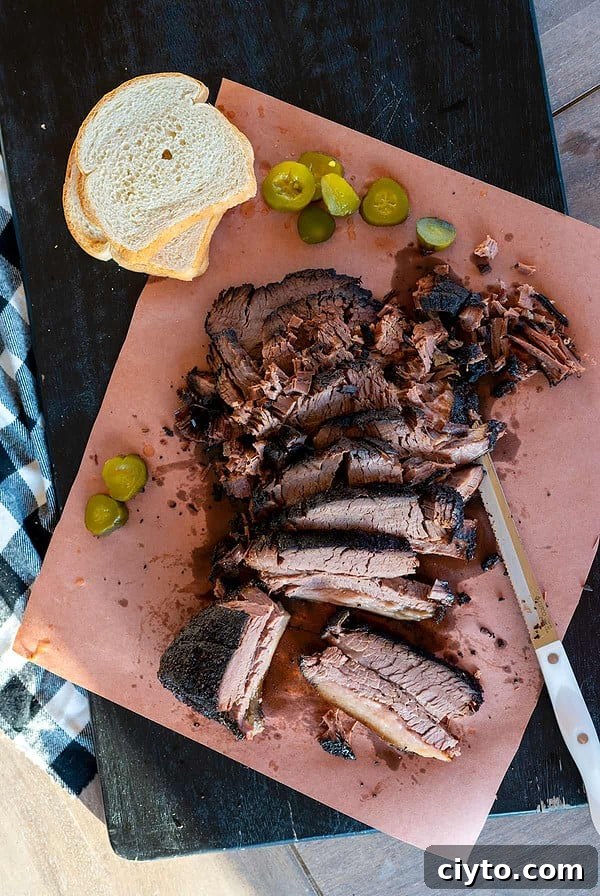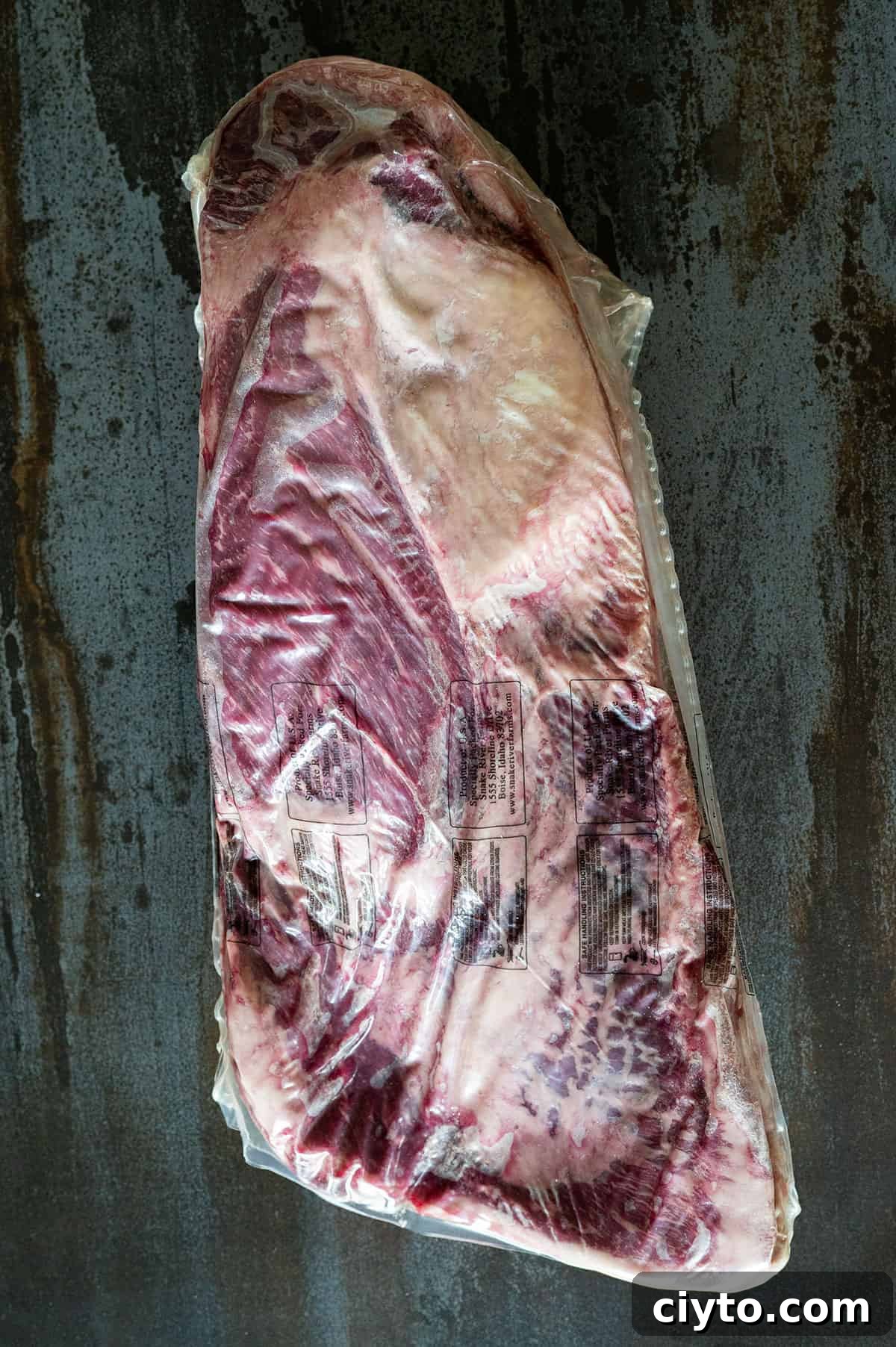
Buying a brisket can feel overwhelming because of the many different brisket grades and labels you’ll see at the butcher or grocery store. The good news is that once you understand how beef is graded, choosing the right brisket gets a lot easier.
Beef grading is largely about marbling—the thin white streaks of fat that run through the muscle. More marbling generally means better flavor, greater juiciness and a more forgiving cook, especially for a long, slow-smoked brisket.
Below is a clear, practical comparison of U.S., Canadian and Australian grading systems, along with what popular program labels like Certified Angus Beef and American wagyu indicate for brisket shoppers.
United States Beef Grading System
The U.S. Department of Agriculture (USDA) grades beef based on the animal’s maturity, the quality of the lean muscle and the amount of marbling. The USDA recognizes several grades, but the three you’ll commonly see at retail are Select, Choice and Prime. The remaining grades are typically used in commercial processing.
“The goal for the use of these criteria is to provide purchasers with a system that measures and predicts quality by methods that maximize consistency and reliability.”
North American Meat Institute
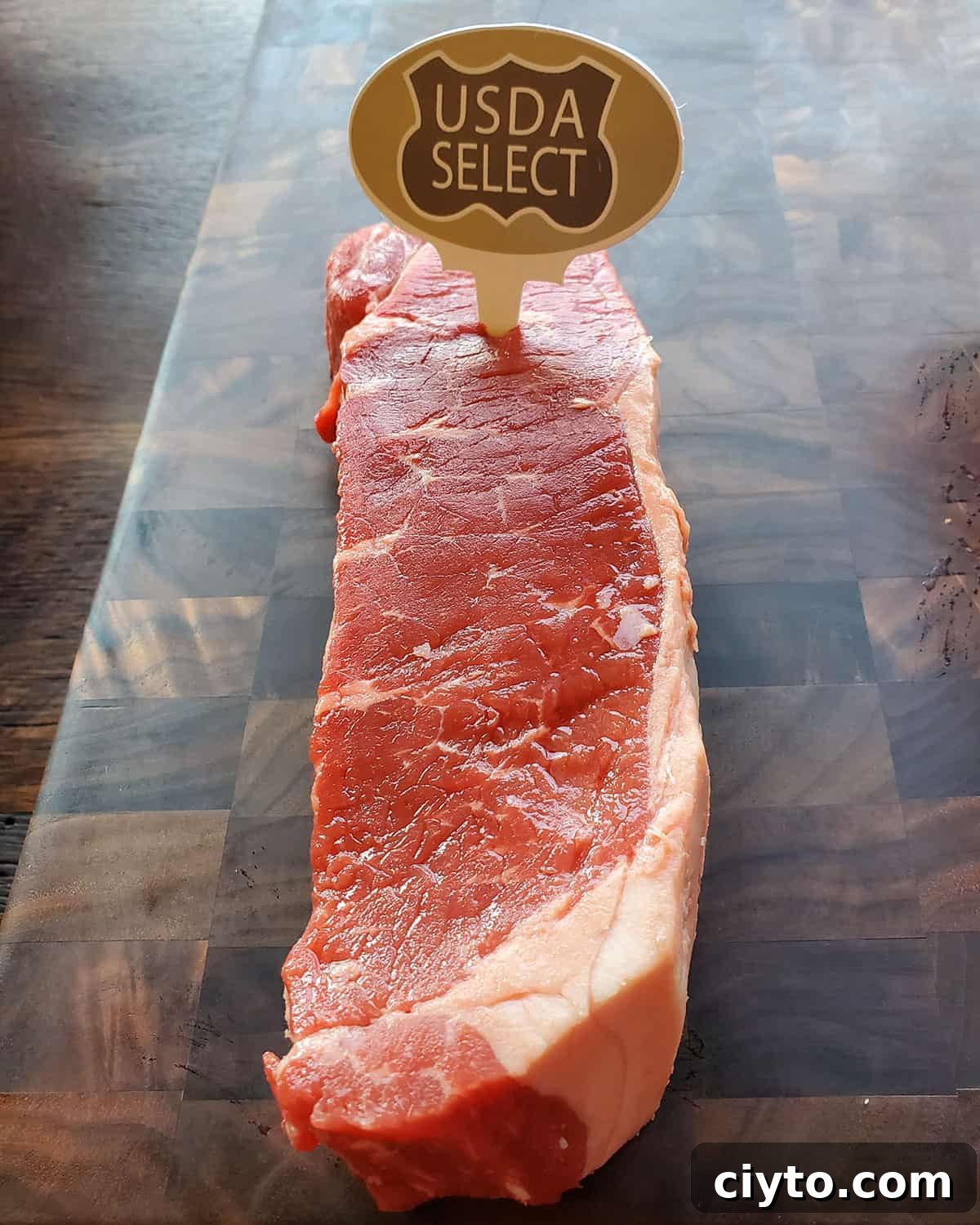
Select
Select is the leanest of the common retail grades and has the least marbling. Because of its low fat content, a Select-grade brisket is more difficult to keep moist during long cooks and is not my recommendation for most backyard brisket cooks.
Choice
Choice has a moderate amount of marbling and can produce excellent results when handled properly. With a low-and-slow smoking approach at around 225°F and careful temperature management, a well-marbled Choice brisket can turn out tender and flavorful.
Prime
Prime is the highest retail grade you’ll typically find. It offers richer marbling, greater tenderness and more consistent results. If your budget allows, Prime brisket is a great option for most home cooks: starting with a well-marbled cut makes the smoking process easier and the final results more reliable.
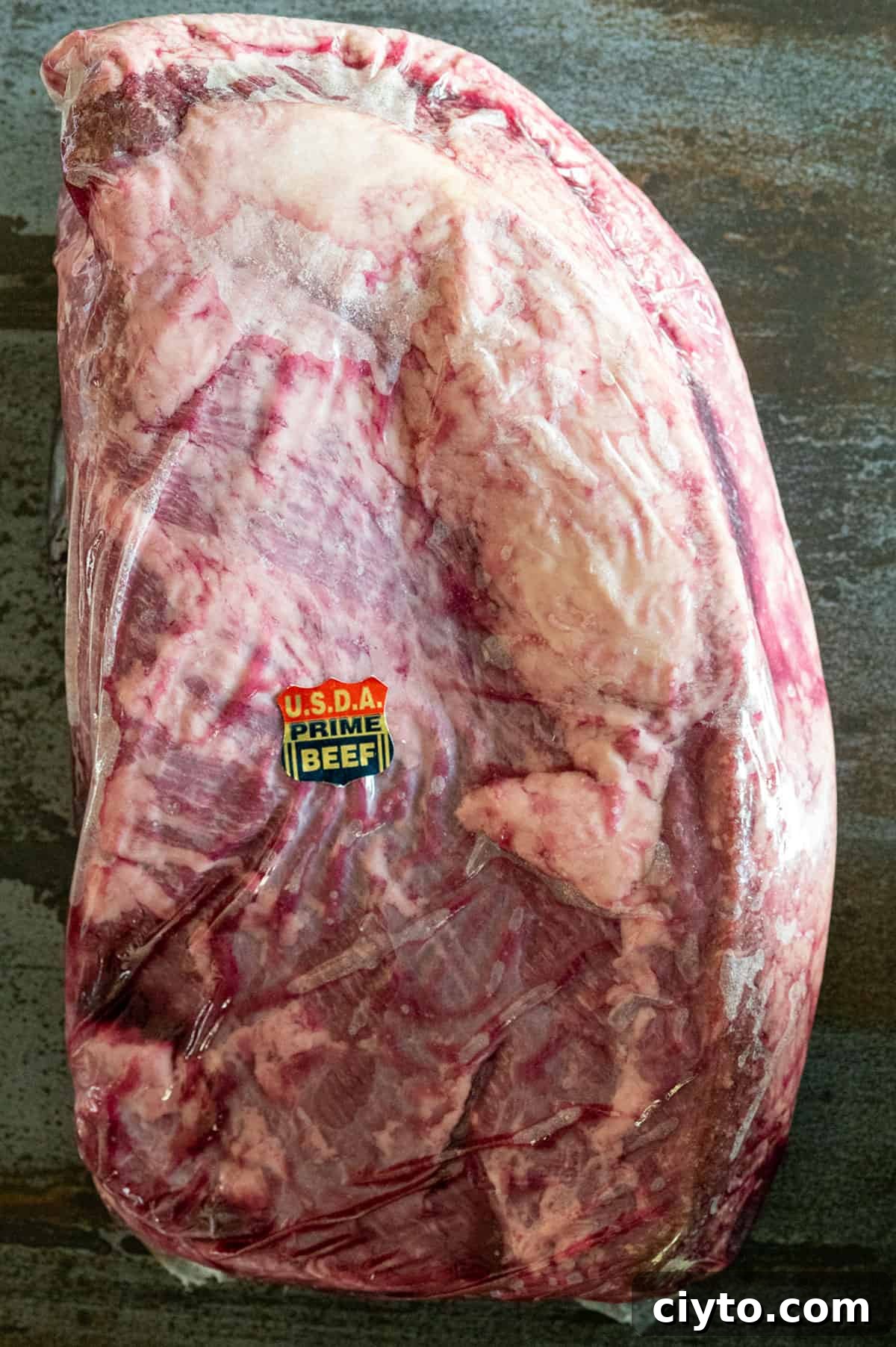
Grades are useful, but don’t rely on the label alone. Look at the meat itself—choose a brisket with visible fat striations. Quick tip: check the flat rather than the point; the flat shows marbling more accurately.
Pro tip: Always check the flat, not the point. The flat tells the truth about marbling.
Canadian Beef Grading System
In Canada, carcasses are assessed by the Canadian Beef Grading Agency for maturity, meat and fat color, muscling, fat coverage, texture and marbling. The system uses letter grades that roughly align with U.S. grades:
- A: trace marbling (similar to Select)
- AA: slight marbling
- AAA: small marbling (comparable to Choice)
- Prime: slightly abundant marbling (similar to U.S. Prime)
AAA and Prime are solid choices for brisket if you want good tenderness and flavor potential.
Australian Beef Grading System
In Australia, AUS-MEAT sets meat specifications and assigns quality scores. Carcasses are evaluated for rib fat, meat and fat color, ribeye development and marbling. Quality is rated on a 0–9 scale:
- 0 — no marbling
- 9 — intensely marbled
Many competitive pitmasters prize A9 briskets for their richness and forgiving nature during long cooks. These cuts are often more expensive, but the marbling level can produce exceptional flavor and juiciness.
How Breed Impacts Brisket Grades
Certain breed programs and specialty producers deliver briskets that exceed standard grading scales because of genetics and specific feeding practices. These labels don’t replace official grades, but they add additional quality criteria on top of USDA or regional grading.
Certified Angus Beef® Brand (CAB)
Angus cattle are recognized for producing beef with good eating characteristics, but not all Angus beef meets the same standards. The Certified Angus Beef brand applies a set of specific criteria beyond USDA grading to ensure consistent quality. You’ll find Certified Angus Beef in both Choice and Prime grades; the brand standards help guarantee uniformity in marbling and tenderness.
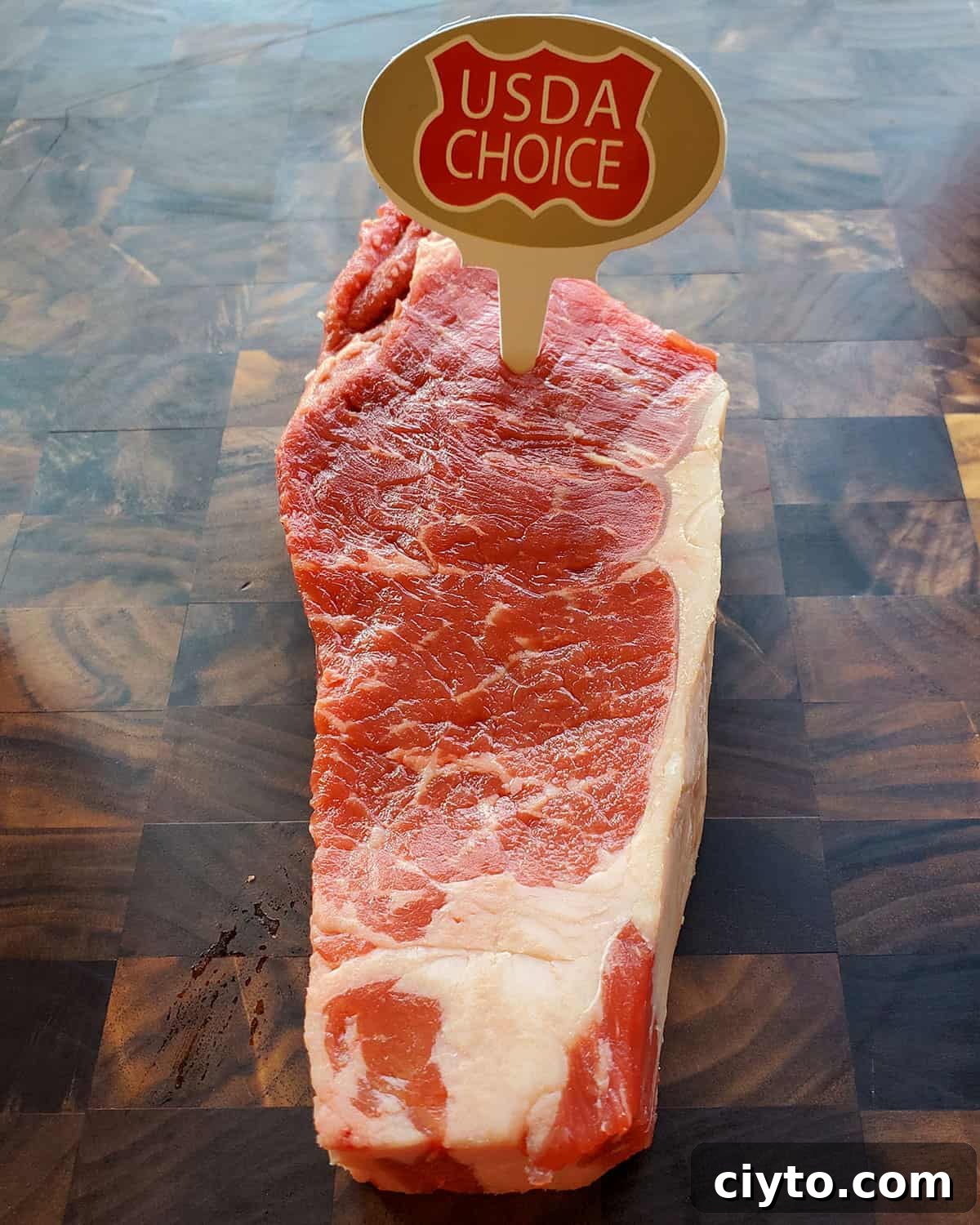
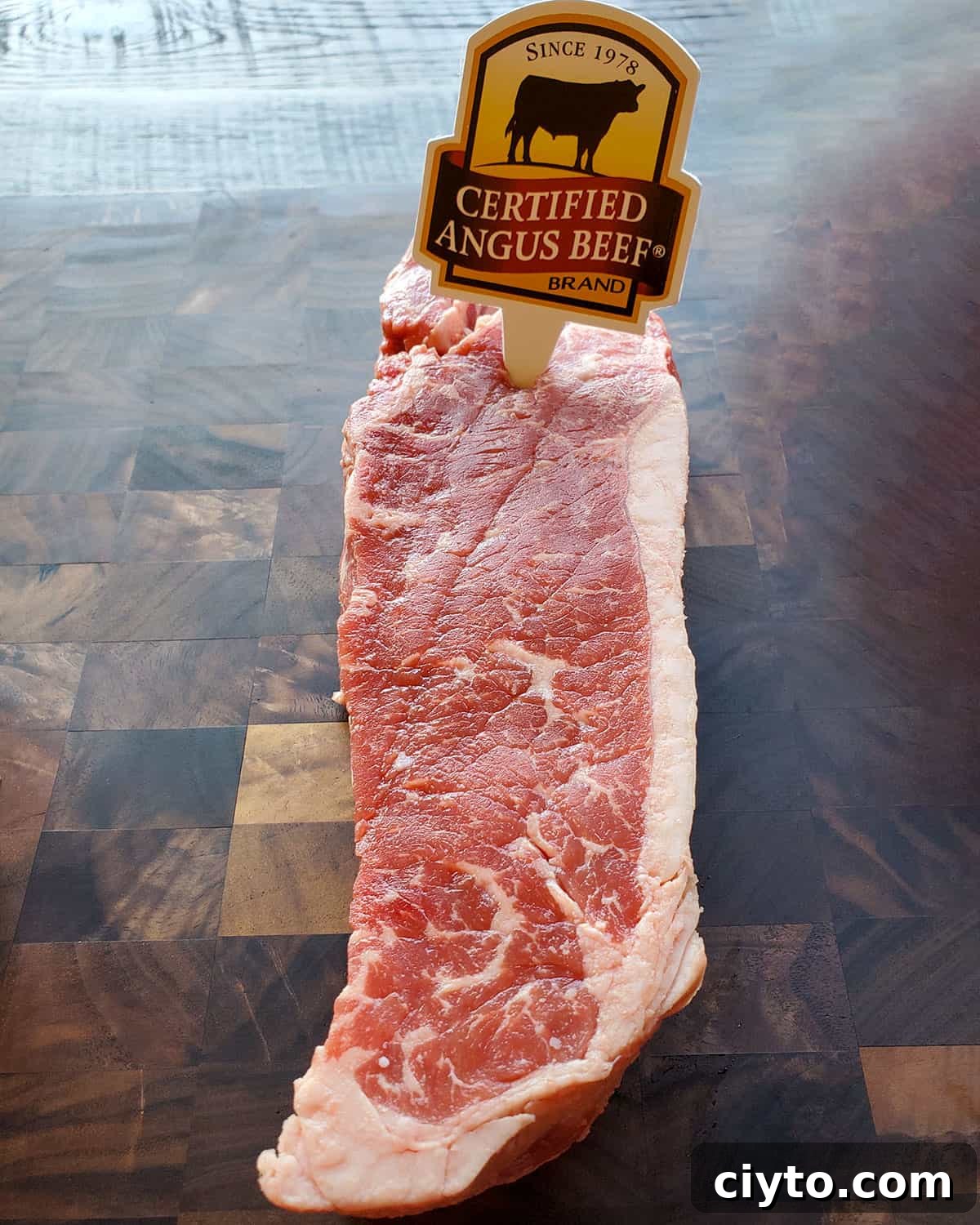
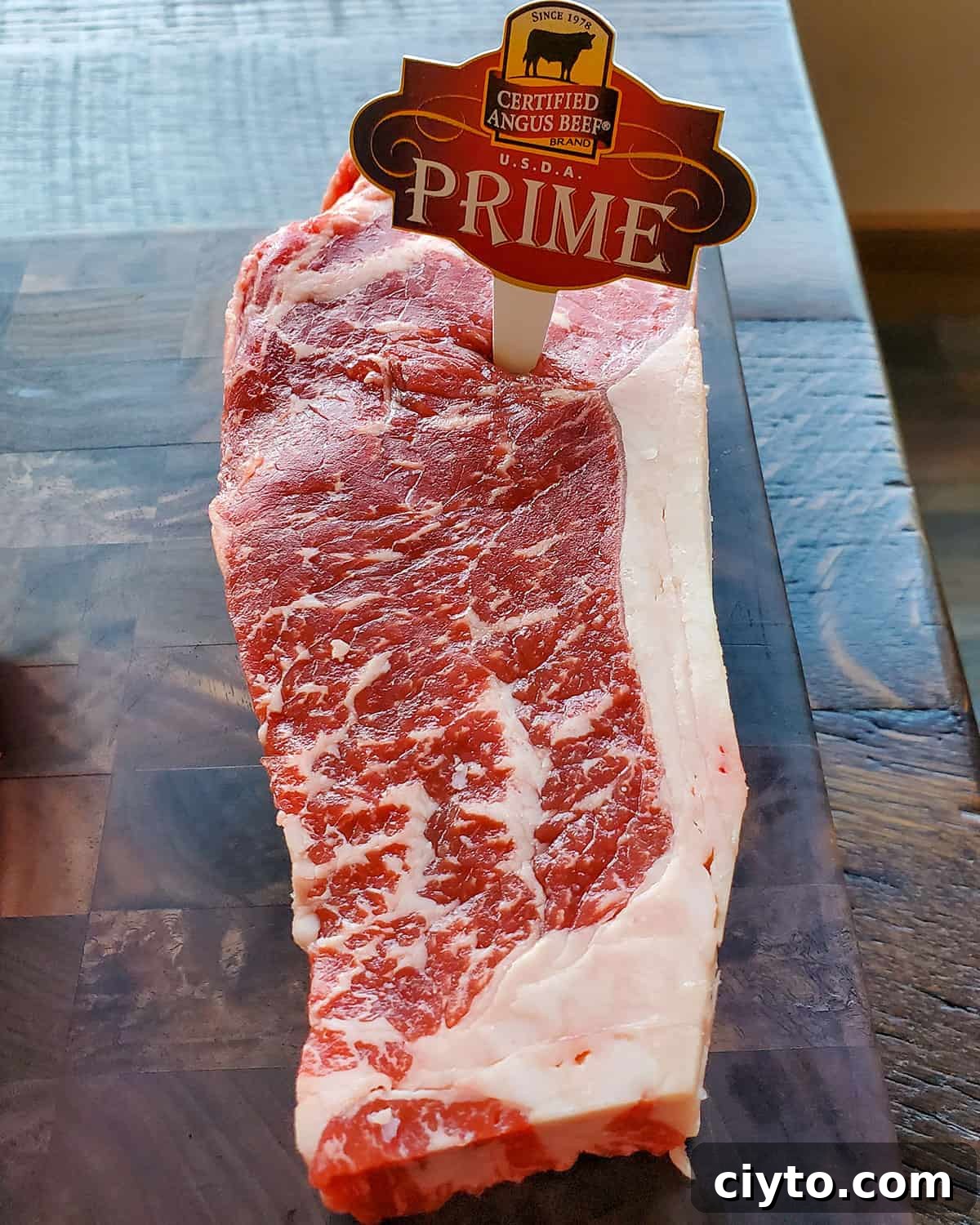
Many barbecue restaurants and serious home cooks choose Certified Angus Beef brand Prime briskets for consistent performance on the smoker.
American Wagyu (examples)
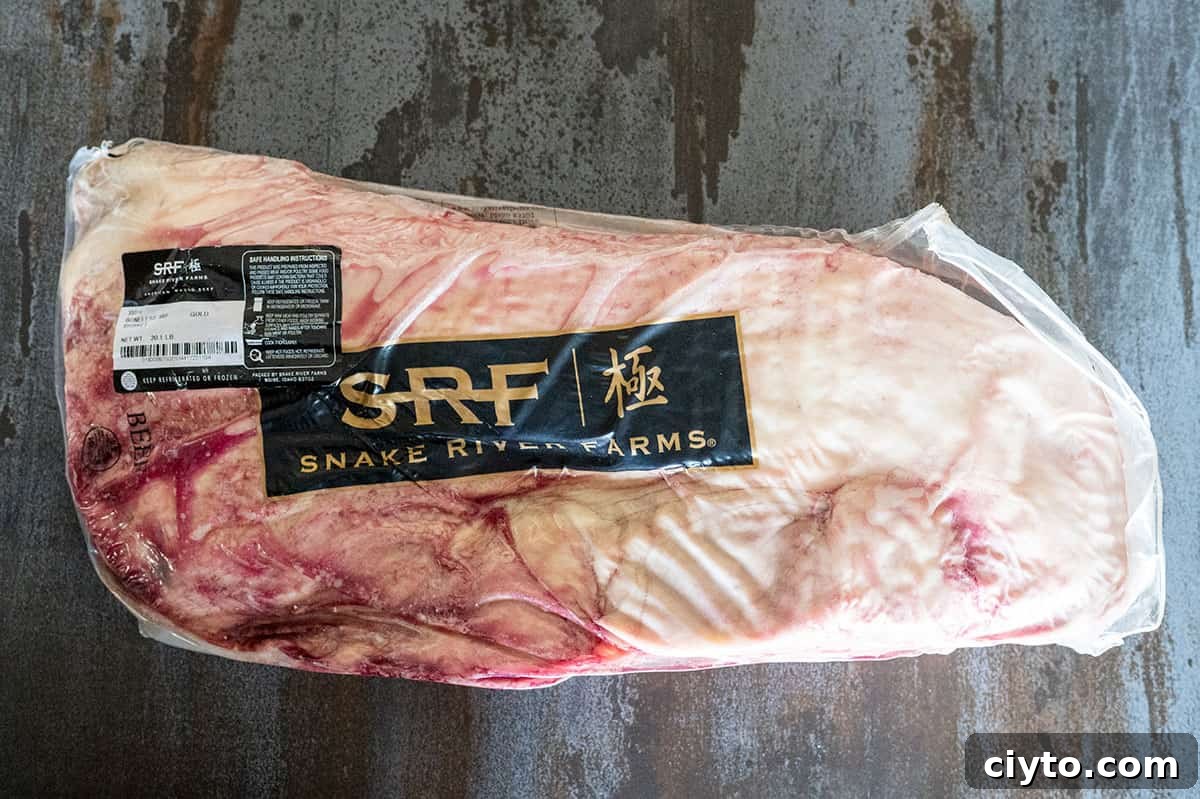
Wagyu originates from Japan and is prized for its intense marbling. U.S.-produced American wagyu from specialty farms is graded differently from standard USDA scales; producers often use proprietary grade terms to describe marbling levels. These wagyu briskets can be significantly more expensive, but their high marbling makes them extremely tender and flavorful when cooked properly.
Which Grade of Brisket Should I Buy?
In short: choose the highest marbling you can comfortably afford. A few practical options:
- Prime — excellent balance of flavor, tenderness and price for most home cooks.
- Well-marbled Choice — a very good value if you handle the cook carefully and monitor temperature.
- American wagyu / Australian A9 — elite marbling for competition-level or special-occasion cooks.
For more guidance, consult a brisket buying checklist and inspect the meat visually before you buy. Look for even marbling in the flat and a healthy fat cap on the surface.
What about Grass-Fed Beef?
All cattle start life grazing on pasture, so “grass-fed” can be misleading unless you specify finishing practices. The key difference is finishing diet:
- Grass-finished — the animal eats forage and pasture for its entire life. Flavor tends to be leaner and more herbaceous.
- Grain-finished — animals are finished on a grain-inclusive diet at a feedlot, which promotes more marbling and a slightly sweeter flavor profile.
If you prefer a brisket with more marbling and a richer, buttery mouthfeel, look for grain-finished or higher-grade options. If you want a leaner, pasture-forward flavor, choose grass-finished beef.
Brisket Guides
This article is part of a larger brisket guide that explains anatomy, trimming and cooking techniques for better results at home.
Key guides to explore include what brisket is, brisket anatomy, size and shape variations, portion planning, trimming tips, separating point and flat, and storing or thawing frozen brisket. These fundamentals help you choose the right grade and get consistent results on the smoker.

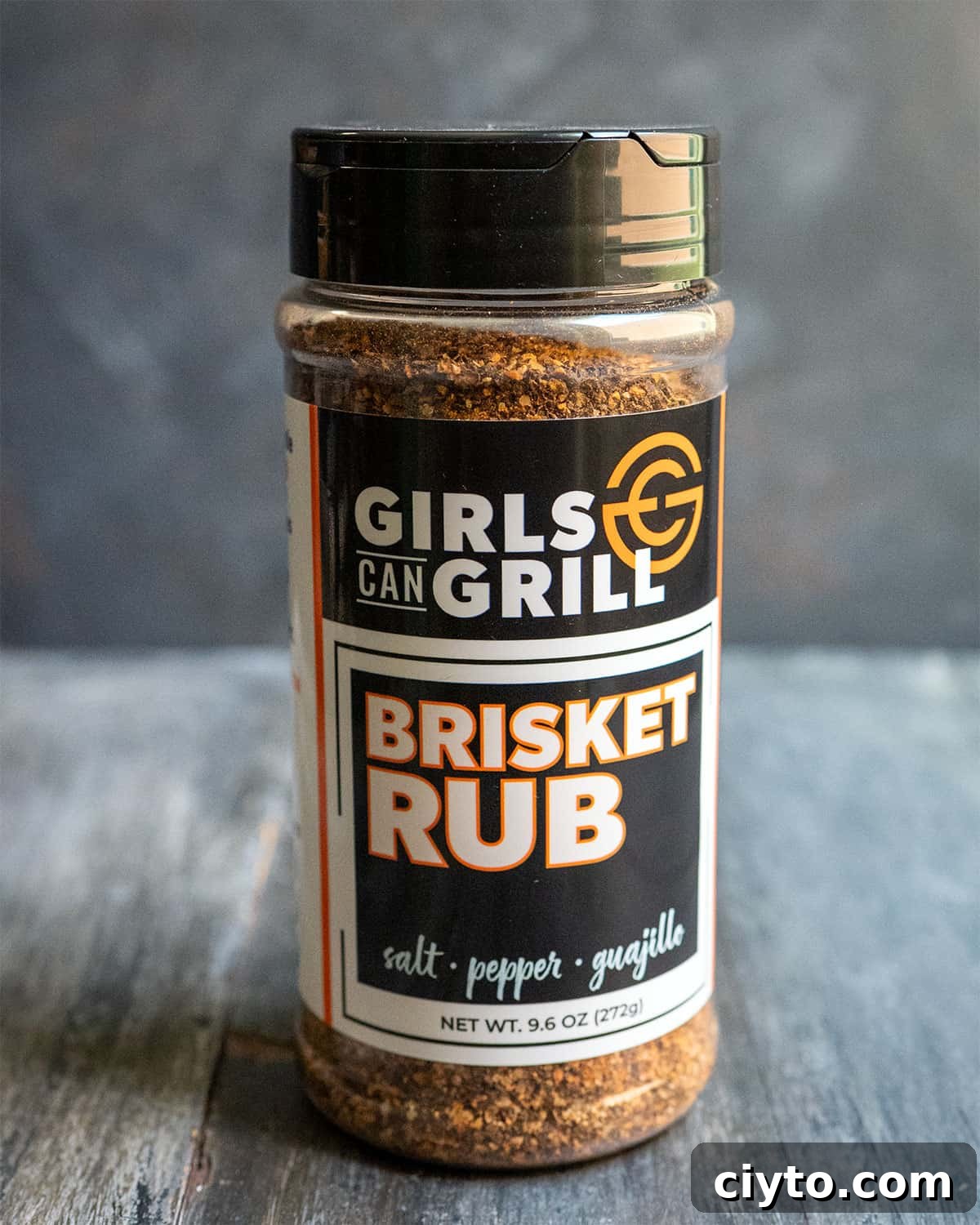
My Go-To Brisket Rub for Building Flavor and Bark
I use a simple salt-and-pepper forward brisket rub on most cooks. A balanced blend of salt, black pepper, garlic and a few savory spices highlights the beef flavor and helps develop an even, flavorful bark.
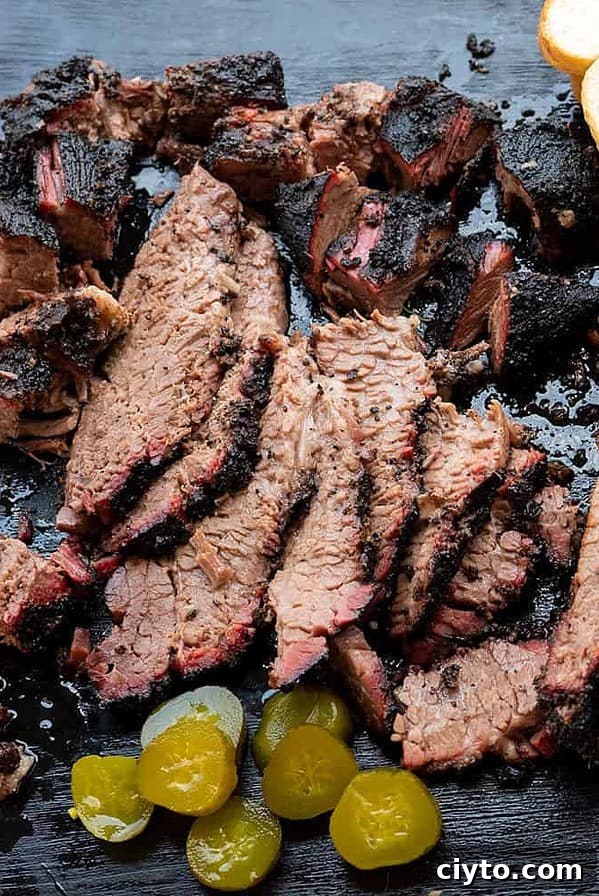
Brisket Recipes
The No-Fail Way to Make Smoked Brisket
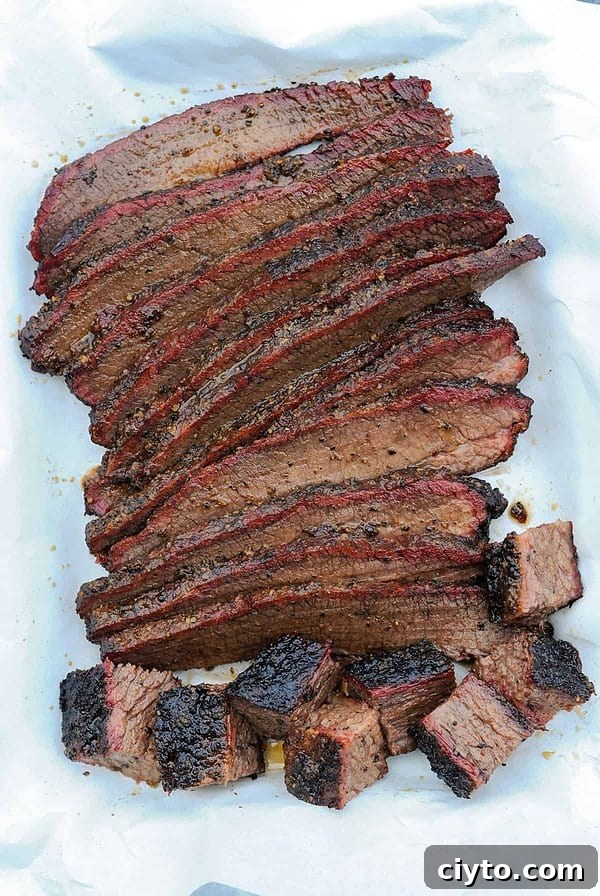
Hot and Fast Brisket