My first job as an editorial assistant in Midtown Manhattan was near an E train stop that actually housed a Subway sandwich shop—literally a Subway in the subway. I didn’t go often, but on mornings when I felt especially gloomy or unmotivated I would duck underground and buy a turkey sandwich. It always carried that distinctive deli scent, the turkey was rubbery, and the vegetables were limp. I regretted the purchase every single time.
Giving up non-vegan convenience foods can be difficult. Deli meat wasn’t something I loved, but it was practical. On office days I’d bring a turkey or ham sandwich from home rather than spend $15 on a salad in Soho. Working from home, I’d sometimes forget lunch until 2 p.m. and then snack on yellow American cheese slices over rice cakes.
When I started eating many vegan meals, one of the first habits I adopted was making a big weekly batch of homemade hummus. I began with a classic hummus recipe, and soon treated it as a blank canvas for flavor experiments. I tested add-ins from the back of my fridge and pantry, tossing nearly everything into the food processor. The results were consistently tasty, and lunch never got boring. These days my go-to midday meal is a low-carb wrap (I like whole wheat lavash) filled with romaine, hummus, and whatever leftover vegetables are on hand.
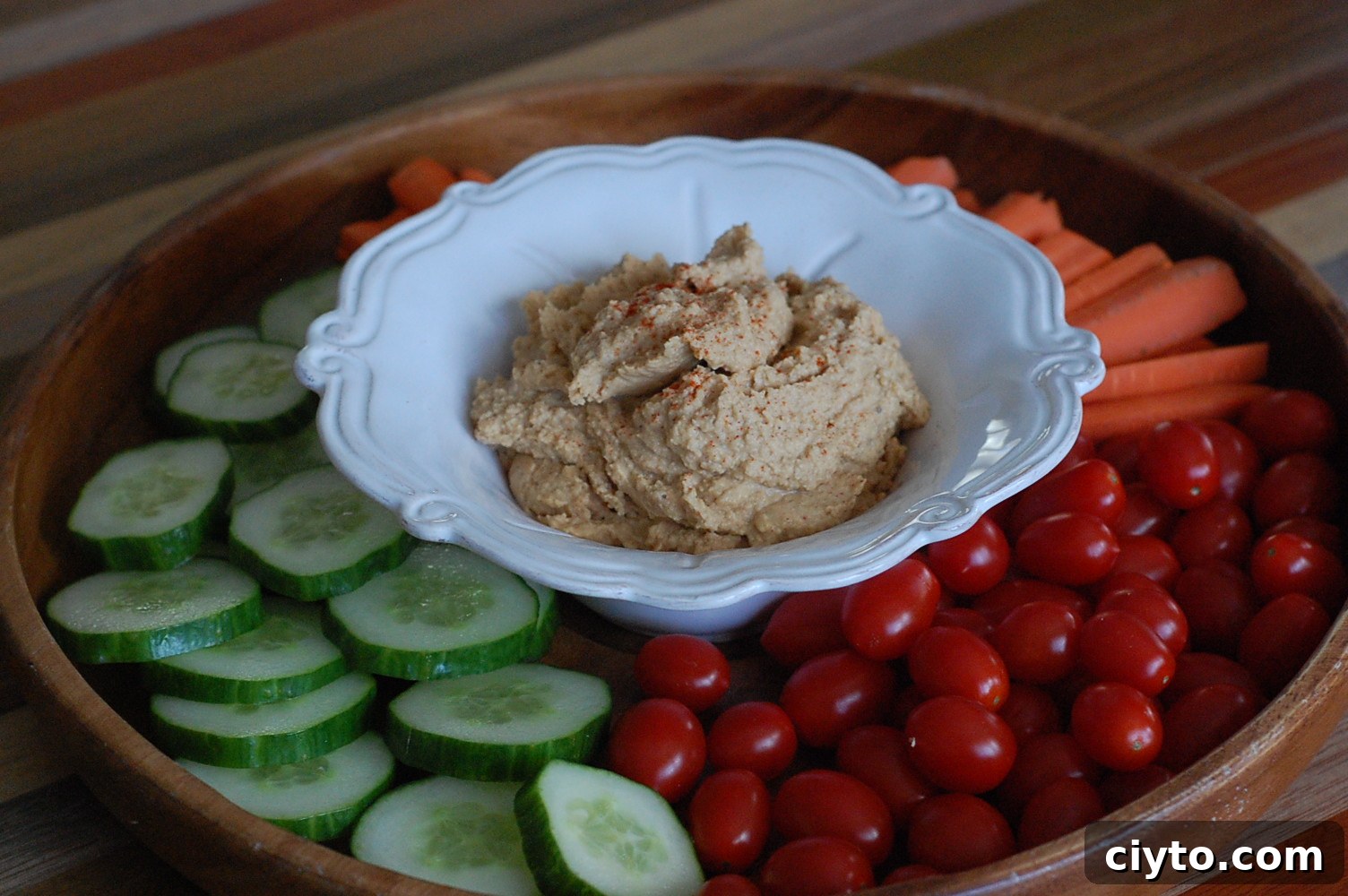
Below is my basic hummus recipe and nine favorite variations. These variations showcase how versatile a homemade hummus recipe can be—whether you’re looking for vegan dips, healthy spreads, or creative sandwich fillings. Hummus keeps well in the fridge for about a week and is great for meal prep, quick lunches, and party platters.
Classic Hummus
Makes approximately 3 cups
1 (15-ounce) can chickpeas, drained
1/4 cup tahini
1 clove garlic, minced
1 teaspoon freshly grated lemon zest
2 tablespoons freshly squeezed lemon juice
1 teaspoon kosher salt
1/2 teaspoon ground cumin
2 tablespoons extra virgin olive oil
1/4 cup warm water
Combine the chickpeas, tahini, garlic, lemon zest, lemon juice, salt, and cumin in a food processor. Pulse until well blended. With the motor running, drizzle in the olive oil. Add the warm water a little at a time until the hummus reaches a smooth, creamy consistency. Taste and adjust salt, lemon, or garlic as desired. Serve as a spread for wraps, a dip for vegetables, or a sauce for grain bowls.
Roasted Apple-Thyme: Preheat the oven to 400°F. Peel and chop one apple, toss with a light drizzle of olive oil and a touch of maple syrup, and roast on a parchment-lined sheet until soft. In the food processor, substitute white beans for the chickpeas and add the roasted apple plus 1 teaspoon minced fresh thyme. This sweet-and-herby hummus is delicious on sandwiches or with whole-grain crackers.
Miso-Carrot: Simmer 1 cup sliced carrots until very tender, then add to the food processor. Stir in 2 teaspoons miso paste and 2 teaspoons minced fresh ginger, and substitute sesame oil for the olive oil. This vegan hummus variation has an umami depth that pairs well with raw vegetables or toasted bread.
Chipotle Black Bean: Replace the chickpeas with black beans and swap the lemon zest and juice for lime zest and juice. Add 1–2 teaspoons of sauce from a can of chipotle chiles (adjust to your preferred heat level). This smoky, spicy spread works great for tacos, tostadas, or southwestern-style wraps.
Smoky BBQ: Stir in 2 tablespoons tomato paste, 2 teaspoons liquid smoke (optional), 1/2 teaspoon chili powder, and 1/2 teaspoon smoked paprika to the classic hummus. The result is a bold, barbecue-inspired hummus that makes an excellent dip for roasted vegetables or chips.
Basil Pea: Substitute 2 cups thawed frozen green peas (run them briefly under hot tap water) for the chickpeas and add 1/2 cup chopped fresh basil. Garnish with toasted pine nuts. This bright green hummus is fresh and summery—great as a sandwich spread or a dip for crudités.
Indian Butternut Squash: Fold in 1 cup cooked mashed butternut squash (or sweet potato or canned pumpkin) and 1 teaspoon garam masala. The warm spices and sweet squash create a comforting, slightly spiced hummus that pairs nicely with naan or grilled vegetables.
Spicy Beet: Add one 8-ounce package of cooked beets (chopped) and 1–2 teaspoons sriracha. This vivid, slightly sweet hummus is also excellent when made with white beans for a milder base; serve it with pita or use it as a colorful sandwich layer.
Roasted Garlic Spinach: Add 2 cups baby spinach and 1/4 cup roasted garlic cloves (store-bought roasted garlic from an olive bar works well) to the processor. This green hummus is vibrant and savory—ideal for spreading on toast or dolloping on grain bowls. It is also delicious when made with white beans.
Artichoke-Green Olive: Substitute white beans for the chickpeas, then add one 15-ounce can artichoke hearts (drained), 1/2 cup pitted green olives, and 1 teaspoon minced fresh rosemary (optional). This Mediterranean-inspired hummus brings briny, tangy flavors and is perfect with crusty bread or vegetable sticks.
Tips: Store hummus in an airtight container in the refrigerator for up to a week. Use it as a healthy spread in sandwiches and wraps, a hearty dip for raw or roasted vegetables, or a flavorful sauce for bowls and salads. Experiment with the spice levels and ingredient ratios to find the balance you like best—hummus is forgiving and easy to adapt.