
A rich, super-creamy clam chowder with tender clams and chunky potatoes is a perfect comfort meal for chilly days. Our Easy Homemade Creamy Clam Chowder is simple to prepare, tastes restaurant-quality, and makes a cozy weeknight dinner throughout soup season. You’ll love its balance of sweet, briny clam flavor, creamy broth, and fork-tender potatoes.
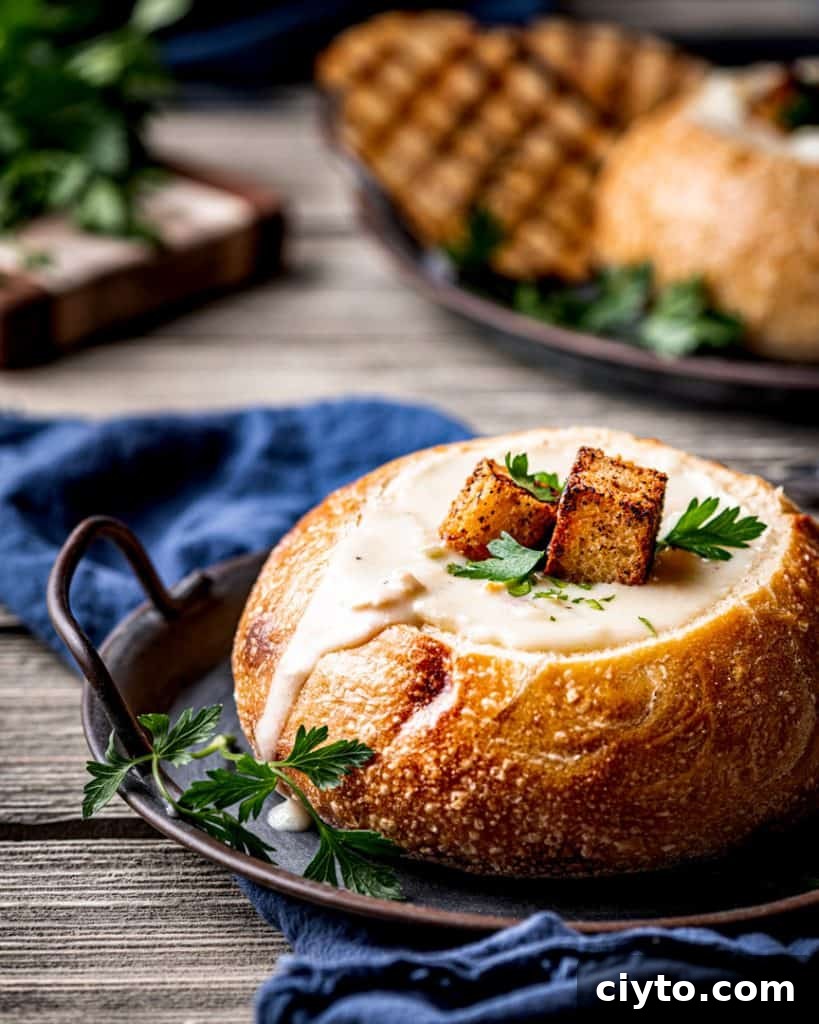
Clam chowder is an American classic, especially popular in the Northeast. Over the years regional variations have emerged — from New England’s creamy version to tomato-based Manhattan styles — but our recipe sticks with the classic cream-forward approach that highlights the clams and potatoes.
This particular recipe is meaningful to us because it comes from Angela’s dad and was a favorite throughout her childhood. It’s straightforward to make, comforting, and perfect for sharing.
Cream or Tomato-based?
There are many valid versions of clam chowder. Ours is closest to New England-style chowder, meaning a cream-based broth with tender clams and potatoes. Some cook with milk, some with cream, and some with a mix — and you’ll hear debates about bacon, oyster crackers, or bread bowls. We chose a cream-forward, meat-free approach so the clams remain the star.
Our Version of Homemade Clam Chowder
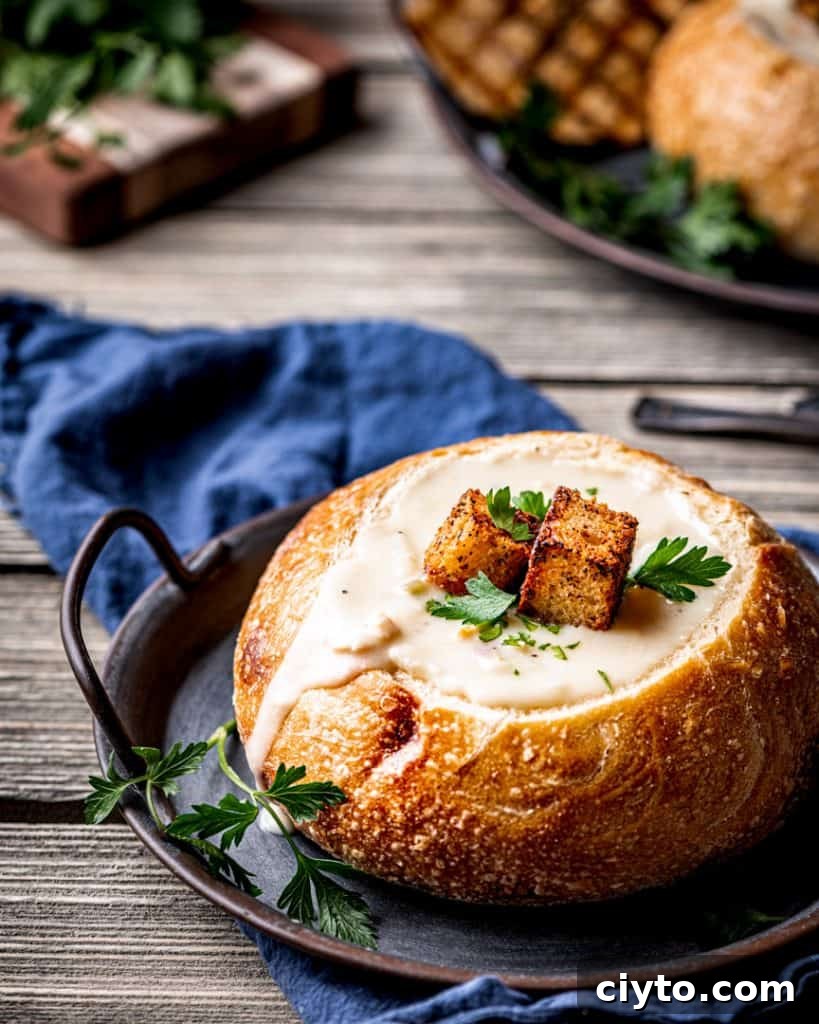
Our chowder blends the best elements of New England and Maine styles: a luscious creamy broth, clean clam flavor (no bacon), and potatoes that both add body and texture. We often serve it with crusty sourdough or in small sourdough bowls for a fun presentation, but the soup itself is the main attraction.
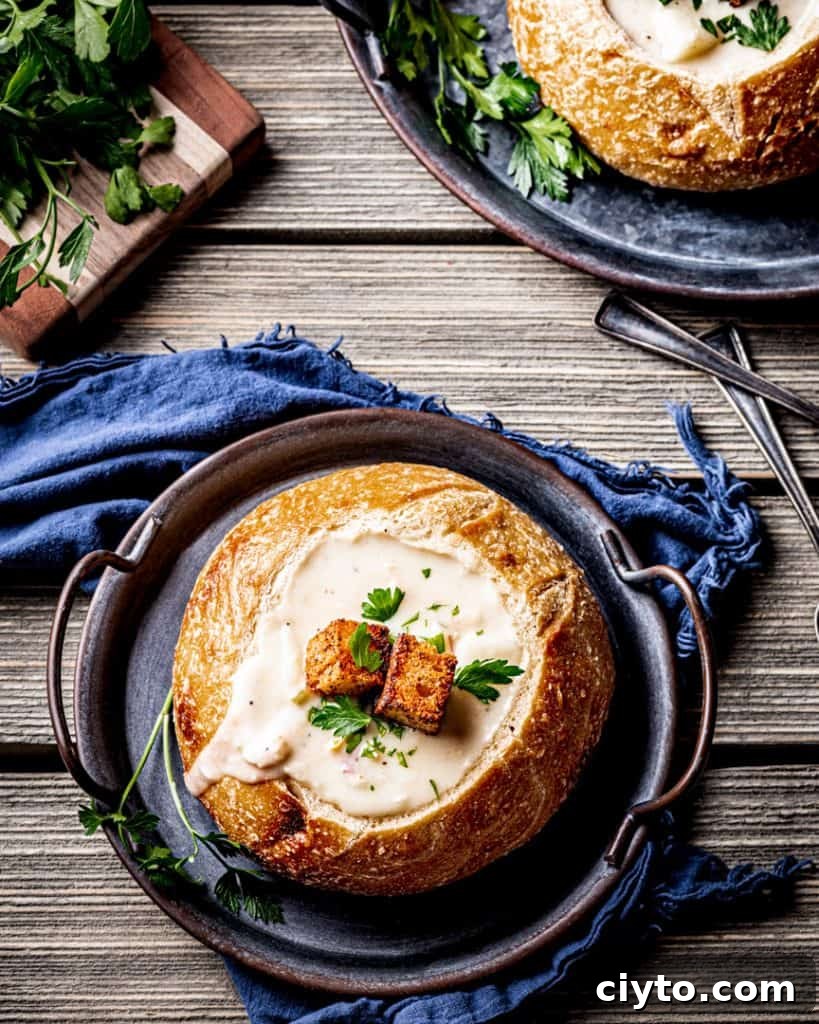
The flavor comes down to proportions: clams, clam juice, potatoes, and cream form the base, while onion, celery, garlic, butter, salt, pepper, and a roux provide depth and thickness. This chowder makes a generous pot and reheats beautifully for leftovers.
Ingredients: What’s in this Homemade Clam Chowder?
Simple, easy-to-find ingredients create a comforting result. Key ingredients include:
- Clams (frozen, canned, or fresh)
- Yellow onion
- Celery
- Garlic
- Clam juice
- Red potatoes
- Heavy cream
- Unsalted butter
- All-purpose flour
- Salt and pepper
Clams: Fresh, Frozen, or Canned?
For convenience we prefer frozen raw clams (thawed before use); they have a clean taste and good texture. Canned clams work too — they’re precooked and often salty, so reduce or omit added salt if you use them. Fresh clams are an option but require extra prep and using some of the cooking liquid for flavor.
Clam Juice
Clam juice is essential for authentic flavor — it adds a clean, briny note that sets chowder apart from a potato soup. Look for it near canned seafood in most grocery stores.
Potatoes
Large red potatoes, mostly peeled and diced into ½-inch cubes, are ideal. They provide texture and help thicken the chowder as they cook. Russets or Yukon Golds can be used as substitutes, but red potatoes hold their shape well.
Heavy Cream
Heavy cream delivers the rich mouthfeel this chowder needs. Substituting lighter dairy will change the texture and flavor substantially, so we recommend using heavy cream for the intended result.
The Roux
A roux — equal parts butter and flour — is used to thicken the chowder and add a subtle buttery richness. Make a light, or “blonde,” roux by cooking briefly until it just begins to turn golden, then whisk in cream before combining with the soup base.
Supporting Ingredients
Onion, celery, garlic, salt, and pepper complete the classic flavor profile. We intentionally season lightly during cooking so diners can adjust seasoning at the table for best results.
Bonus: Homemade Garlic Butter Croutons
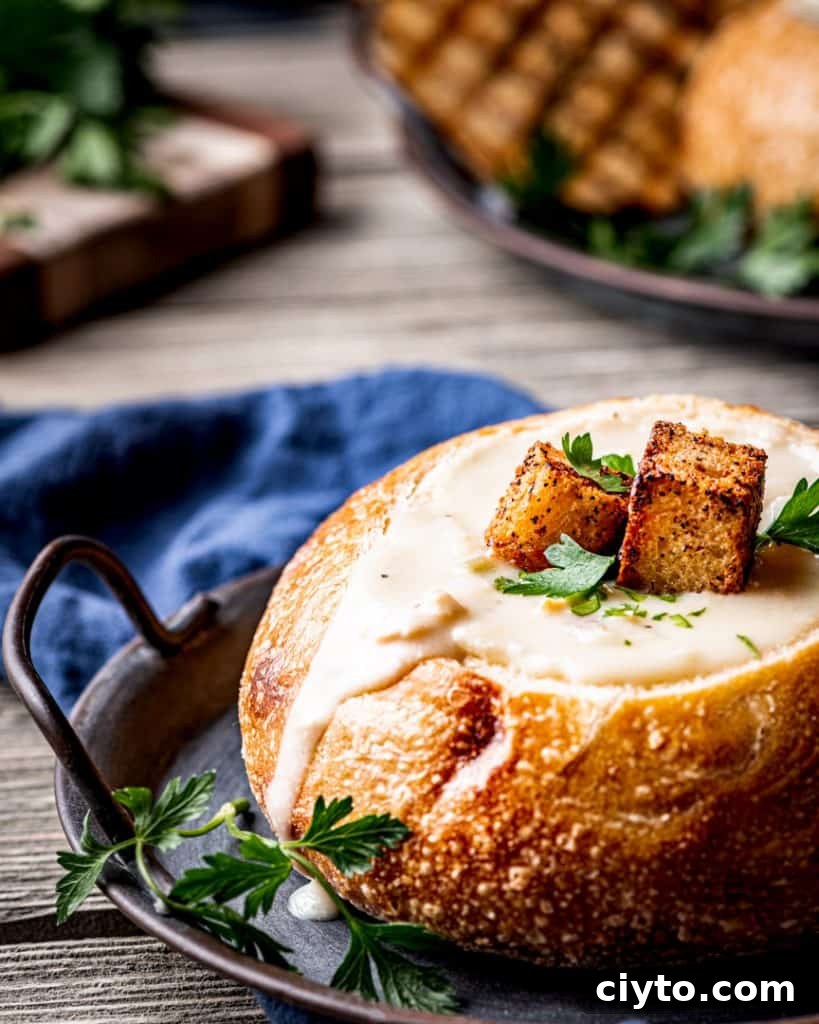
Use leftover bread from hollowing sourdough bowls or any crusty bread to make croutons. They toast nicely and add crunch when sprinkled over the chowder.
To make the croutons
- Cut bread into small cubes and dry in a low oven (about 200°F) until crisp, roughly 40 minutes.
- Sauté cubes briefly in 1–2 tablespoons butter over medium-high heat to brown the sides.
- Sprinkle with garlic powder and a pinch of salt, toss, and cool on a paper towel.
Step-by-Step Instructions
This chowder is straightforward. Below is a concise step-by-step overview; quantities and full details are in the recipe section.
Step 1: Sauté the Vegetables
Sauté chopped onion, celery, and minced garlic in a tablespoon of olive oil over medium-low heat until the onion is translucent. Avoid browning to keep a delicate flavor.
Step 2: Start the Soup
In a large pot, combine clams, clam juice, and diced potatoes. Bring to a boil, then reduce to a simmer and add the sautéed vegetables.
Step 3: Make the Roux
In the skillet, melt butter and whisk in flour to form a paste. Keep the heat low so the roux stays light in color. Turn off the heat and whisk in the heavy cream until smooth.
Step 4: Finish the Chowder
Stir the cream-and-roux mixture into the simmering pot, season with salt and pepper, and simmer gently for about 15 minutes. Taste and adjust seasoning, then serve garnished with chopped parsley and crusty bread.
Storage
This recipe makes a generous batch and keeps well. Cool leftovers uncovered, then store in an airtight container in the refrigerator for up to 5 days. Reheat gently on the stovetop over low heat for the best texture and flavor. If you must use a microwave, reheat at 50% power and stir frequently to avoid overheating.
Clam Chowder Wine Pairings
Crisp, dry white wines with citrus notes complement the chowder’s briny flavors. Sauvignon Blanc, Viognier, or Sancerre work well. If you prefer a richer match, a lightly oaked Chardonnay pairs nicely with the creamy broth.
What to Serve with Clam Chowder
Serve as a main with crusty bread, sourdough bowls, or alongside a light vegetable dish. It also pairs nicely with simple seafood mains for a larger meal.
FAQ
Yes. Canned clams are precooked and convenient. If you use them, include their juices and reduce added salt, since the canned juice can be salty.
Do I need to rinse canned clams?
Rinsing is optional. Because canned clams are often packed with salty juices, skip extra salt in the recipe and adjust seasoning at the end.
What is the best way to thicken clam chowder?
We recommend a roux (butter + flour) combined with heavy cream for a classic thick, creamy texture. For a gluten-free option, a cornstarch slurry can be used instead.
Enjoy!
This chowder is easy to make, full of comforting flavor, and ideal for leftovers. A simple garnish of chopped parsley, a crack of black pepper, and a chunk of crusty bread are all you need. We hope this Easy Homemade Creamy Clam Chowder becomes a new favorite at your table.

📖 Recipe
Easy Homemade Clam Chowder
Servings: 8 | Prep: 10 mins | Cook: 40 mins | Total: 50 mins
Ingredients
- 1 tablespoon olive oil
- 1½ cups chopped yellow onion (about 1 medium-large)
- 2/3 cup chopped celery (about 3 stalks)
- 2 garlic cloves, minced
- 32 oz chopped raw clams, thawed from frozen (with juices) or equivalent canned clams with juices
- 32 oz clam juice
- 4–6 large red potatoes, diced
- 22 oz heavy cream
- 10 tablespoons unsalted butter
- 2/3 cup all-purpose flour
- 1½ tablespoons kosher salt (adjust to taste)
- 1½ tablespoons black pepper (adjust to taste)
- Chopped parsley for garnish
Instructions
- In a medium skillet over medium-low heat, sauté onion, celery, and garlic in olive oil until the onion is translucent. Do not brown. Set aside.
- In a large pot or Dutch oven, bring clams (or canned clams with juices), clam juice, and diced potatoes to a boil. Reduce to a simmer and add the sautéed vegetables.
- In the skillet, melt butter over medium heat. Whisk in the flour to form a paste and cook briefly on low to create a blonde roux (do not brown). Remove from heat and whisk in the heavy cream until smooth.
- Stir the cream-and-roux mixture into the simmering pot. Add salt and pepper, simmer gently for about 15 minutes to let flavors meld and potatoes finish cooking. Taste and adjust seasoning.
- Serve hot, garnished with chopped parsley and accompanied by crusty bread, sourdough bowls, or homemade croutons.
Notes
- If using canned clams, omit or reduce added salt and add to taste at the end.
- For a gluten-free thickener, substitute a cornstarch slurry for the flour roux.